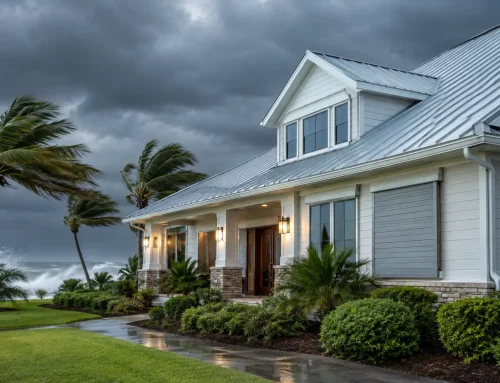

A storm passes, the roof looks mostly fine from the driveway, and then you notice a cracked panel, loose pieces near the flower bed, or siding that suddenly looks warped on one side of the house. That is usually how a siding damage insurance claim starts – not with certainty, but with questions. Is the damage covered? Is it cosmetic or functional? Should you call your carrier first, or get an inspection before you do anything else?
For most property owners, the hardest part is not the repair itself. It is figuring out what happened, what your policy may cover, and how to move quickly without creating claim problems. Siding damage can let in moisture, affect insulation performance, and lower curb appeal fast. If the damage came from wind, hail, or another covered event, timing and documentation matter.
When a siding damage insurance claim makes sense
Not every issue with siding belongs in an insurance file. Carriers generally cover sudden, accidental damage tied to a specific event, such as hail, wind, fallen branches, or debris impact. They usually do not cover wear and tear, age-related fading, long-term moisture intrusion from neglected maintenance, or old installation problems.
That difference matters. A panel that cracked because a branch hit it during a storm is a very different claim than siding that has become brittle over years of sun exposure. The challenge is that storm damage and aging can exist at the same time. An older exterior may still have legitimate covered damage, but it often needs to be documented clearly.
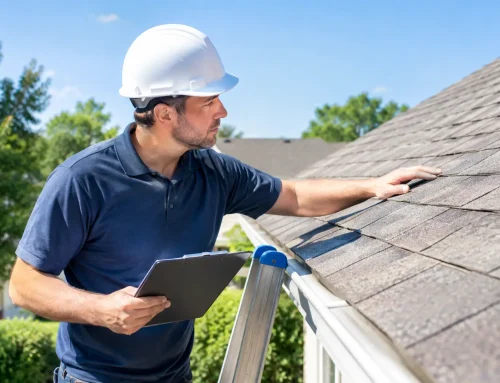
This is one reason a professional inspection helps early. A trained exterior contractor can often tell whether the pattern of damage points to hail strikes, wind lift, impact, or deterioration. That inspection gives you a better starting point before conversations with the insurance company become too far along.
What insurance adjusters usually look for
Adjusters are not only checking whether siding is damaged. They are also evaluating cause, scope, and consistency. If one elevation of the home shows sharp impact marks and fractured panels while the protected side looks normal, that may support a storm-related loss. If damage appears random or tied to age, the review may go another direction.
They will also look at whether the material can be repaired with a few replaced sections or whether a larger portion is affected. This is where siding claims can get complicated. Even if the damage is clearly covered, matching can become a real issue. The original color may be discontinued. Sun exposure may have changed the appearance over time. A technically repairable wall may still leave the home with an obvious patchwork result.
Some policies and some state rules handle matching better than others. In Missouri, Illinois, and Florida, the details can vary based on policy language, the age of the siding, and the carrier’s interpretation. That is why it helps to have someone on your side who knows how to document not just damage, but repairability and material availability.
Start with documentation, not guesswork
If you suspect storm damage, document the condition of the property as soon as it is safe. Take clear photos of all elevations of the home, close-ups of cracked or punctured panels, and wider shots that show where the damage sits on the structure. If debris caused the issue, photograph that too.
It also helps to note the date of the storm, what you observed, and whether neighbors had similar damage. Storm dates matter because insurers often compare your report to weather data and claim timelines. The closer your records are to the event, the easier it is to support your position.
Avoid making permanent repairs before the damage is inspected unless emergency work is necessary to prevent further loss. Temporary protection is fine and often necessary. Full replacement before documentation can make a claim harder to prove.
The best order of operations after siding damage
A lot of homeowners assume the first call should always be to insurance. Sometimes that works. Other times, it starts a claim before anyone has confirmed whether the damage is likely covered. A better first move is often a qualified inspection.
An experienced storm restoration contractor can inspect the siding, roof, gutters, and other exterior components for related damage. Storm losses rarely affect just one material. Hail that bruised soft metals or wind that pulled siding loose may have left evidence in other places too. Looking at the full exterior gives a more accurate picture of the loss.
Once damage is documented, you can report the claim with more confidence. At that point, you should be ready with the date of loss, photos, and a basic description of what happened. Keep your language factual. You do not need to argue the entire claim on the first phone call. You only need to report what you observed and request an inspection.
How a siding damage insurance claim usually unfolds
After you report the loss, the carrier typically assigns an adjuster or inspector. That person will schedule a site visit, review visible damage, and prepare an estimate based on what they believe is covered. If the damage is straightforward, the claim may move quickly. If the cause is disputed or the scope is incomplete, expect more back and forth.
This is where many property owners feel the most stress. The insurance paperwork can be confusing, and initial estimates do not always reflect the full repair needs. It is common for line items to be missed, especially when the adjuster is focused narrowly on siding and not the connected systems or code-related requirements.
Having your contractor present for the adjustment can help. A contractor familiar with insurance restoration can point out damage locations, discuss material matching issues, and provide documentation that supports the repair scope. That does not guarantee approval, but it does make the conversation more complete.
If the carrier approves the claim, payment may be issued in stages depending on the policy. Many policies include recoverable depreciation, which means part of the claim is paid after the work is completed and documented. If the claim is partially approved, underpaid, or denied, you may still have options to request supplemental review with better evidence.
Why siding claims are often about more than one wall
Siding repair sounds simple until matching enters the picture. A carrier may agree to replace only the visibly damaged panels, but that can leave the home with a noticeable color difference. On paper, that may look acceptable. In real life, it can hurt appearance, resale value, and overall finish quality.
Whether broader replacement is justified depends on the material, age, product availability, and policy language. Vinyl and aluminum siding can be especially difficult to match if the original product is discontinued. Fiber cement and engineered wood come with their own considerations. The real question is not just, Can one section be replaced? It is, Can it be restored to a reasonably uniform condition?
That is a conversation worth having early, with photos, manufacturer information, and a clear explanation of why spot repair may not be practical.
Common mistakes that delay or weaken claims
One of the biggest mistakes is waiting too long. Small cracks and lifted sections can let in water, and delayed reporting can raise questions about when the damage happened. Another common problem is relying on a quick visual check from the ground. Storm damage is often missed without a close inspection.
Property owners also run into trouble when they assume every contractor understands insurance restoration. Repair skill matters, but claim documentation matters too. You want a contractor who can identify storm-related damage, communicate clearly with adjusters, and provide honest recommendations. If the damage is not claim-worthy, you should hear that upfront.
It is also wise to read your deductible and depreciation terms before making assumptions about cost. A valid claim is not always a practical claim if the repair total is close to your deductible. That is another reason a real inspection and estimate should come before big decisions.
Choosing help you can trust for a siding damage insurance claim
When you are dealing with exterior storm damage, speed matters, but so does accuracy. The right contractor does more than replace materials. They inspect thoroughly, document what they find, explain what is likely covered, and help keep the process moving. That support can make a major difference when you are trying to protect your property and avoid unnecessary stress.
For homeowners and property managers, the goal is simple: restore the building correctly and keep the claim process from becoming a second problem. A company like Crown Exteriors approaches that work with the same mindset – inspect carefully, communicate honestly, and help guide the claim from start to finish.
If you think your siding was damaged in a recent storm, do not wait for the issue to spread or for the paperwork to get more complicated. Start with a clear inspection, good documentation, and a plan based on facts. That first step is usually the one that makes the rest of the process easier.
Related Posts
If you enjoyed reading this, then please explore our other articles below: