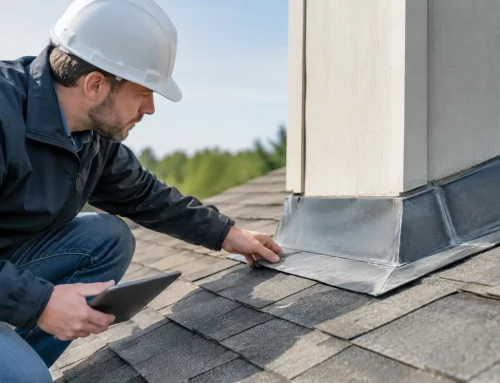

A roof coating can extend the useful life of a commercial roof, reduce heat absorption, and postpone a costly replacement. But it is not a paint-over-the-problem solution. The best commercial roof coating guide starts with one question: is the existing roof a sound candidate for restoration?
For property owners and managers, that answer can affect budgets, tenant comfort, operations, and insurance decisions. A coating system can be a smart investment when the roof is dry, structurally sound, and nearing the point where routine repairs are no longer enough. If concealed moisture, storm damage, failing insulation, or major membrane deterioration is present, coating alone may only delay a larger problem.
When a Commercial Roof Coating Makes Sense
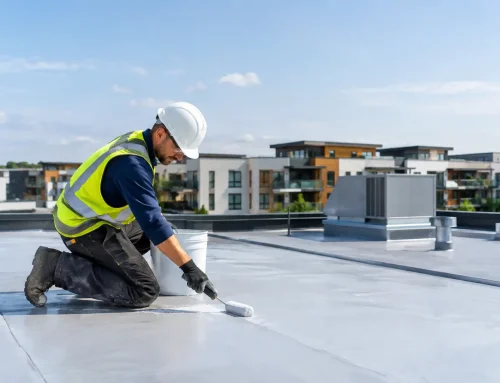
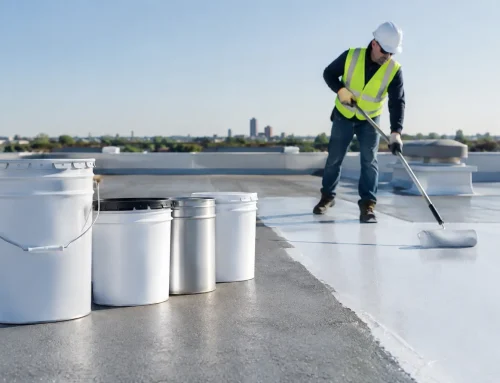
Commercial roof coatings are fluid-applied systems that cure into a continuous, protective membrane over an existing roof. They are commonly used on low-slope roofs, including modified bitumen, metal, single-ply membranes, built-up roofing, and some spray foam systems.
The primary benefit is restoration rather than replacement. With proper repairs and preparation, a coating can seal minor surface cracking, protect the roof from ultraviolet exposure, and create a reflective surface that reduces rooftop temperatures. Many systems can be renewed later, helping building owners plan maintenance expenses more predictably.
A coating is often worth considering when the roof has reached midlife but still has a solid substrate. Typical signs include weathered surfaces, fading, small cracks, minor seam concerns, and isolated leaks that have been repaired. It can also make sense after a storm inspection confirms damage is limited and the roof remains dry beneath the surface.
The decision changes when the roof has widespread wet insulation, extensive blistering, active structural issues, severely rusted metal decking, or failing flashings throughout the system. In those cases, a full replacement or a more involved repair may protect the building better. An honest inspection should identify that difference before any material is applied.
Start With a Thorough Roof Inspection
Before selecting a coating, have the roof inspected by an experienced commercial roofing contractor. The inspection should go beyond a quick walk-around. The contractor should examine the membrane, seams, penetrations, drains, parapet walls, edge metal, rooftop equipment curbs, and prior repairs.
Moisture is the critical issue. Coatings are designed to protect a roof, not trap water inside it. If leaks have allowed water into insulation or decking, those areas need to be located and addressed first. Depending on the roof system, this may require infrared scanning, moisture testing, or core samples.
Storm events deserve special attention. Wind can lift seams and flashings, hail can bruise membranes or dent metal panels, and falling debris can puncture surfaces near drains and HVAC equipment. Documenting these conditions early is helpful if an insurance claim may be involved. Clear photos, measurements, and repair recommendations give the property owner a stronger starting point when meeting with an adjuster.
A sound inspection should end with a practical recommendation: repair and coat, make repairs and monitor, or replace. Property owners deserve a recommendation based on the roof’s actual condition, not a one-size-fits-all sales approach.
Choosing the Right Commercial Roof Coating System
The right coating depends on the existing roof material, drainage conditions, climate, foot traffic, and warranty requirements. Acrylic, silicone, polyurethane, and asphalt-based coatings each have a role, but they are not interchangeable.
Acrylic coatings
Acrylic coatings are water-based, reflective, and often cost-effective for roofs with positive drainage. They perform well in many climates and can help lower surface temperatures during hot weather. However, they are generally less forgiving where water ponds for long periods, so drainage must be evaluated first.
Silicone coatings
Silicone coatings are well known for their resistance to standing water and weather exposure. They can be a strong option for roofs with drainage challenges, particularly in wet or humid regions. The trade-off is that silicone can attract dirt over time and may be more difficult to recoat without compatible preparation and materials.
Polyurethane coatings
Polyurethane systems offer strong impact resistance and are often used where roofs receive more foot traffic or where hail exposure is a concern. They may be specified in multi-coat systems and can perform well over certain existing substrates. Material and labor costs can be higher, so the system should be selected for a clear reason rather than as a default upgrade.
Specialty systems for metal roofs
Metal roofs need attention to fasteners, seams, rust, and panel movement before coating begins. A coating system can help protect metal from further oxidation and seal vulnerable areas, but loose fasteners and deteriorated panels must be repaired first. A quality contractor will treat seams and penetrations as critical details, not afterthoughts.
Preparation Determines the Result
Most coating failures begin with poor surface preparation. Even the best product will struggle to adhere to a roof that is dirty, wet, unstable, or covered in failing old material.
The process generally begins with cleaning. The roof must be cleared of debris, grease, biological growth, and loose coating. Pressure washing may be appropriate, but the roof must then dry fully before application. Drains should be protected during cleaning and cleared afterward so water can move freely off the roof.
Next comes repair work. Open seams, punctures, cracks, deteriorated caulking, loose edge details, and damaged flashing need to be corrected. Reinforcing fabric may be installed at seams, transitions, scuppers, drains, and penetrations where movement or water exposure is more likely.
Primer is sometimes necessary, especially over metal, certain single-ply membranes, or surfaces with adhesion concerns. Skipping primer to reduce cost can create a much more expensive failure later. The coating manufacturer’s application instructions and the roof’s existing condition should guide this step.
Weather also matters. Temperature, humidity, dew point, and the chance of rain all affect application and curing. Coating a damp roof or applying material outside the manufacturer’s conditions can compromise adhesion. A responsible project schedule allows for weather delays rather than rushing material onto the roof.
Understand Cost, Value, and Warranty Details
Commercial roof coating costs vary widely because the square footage is only part of the equation. Roof access, the amount of repair work, surface preparation, drain details, penetrations, coating thickness, and warranty length all affect the final price.
A lower bid may leave out essential repairs, use less material than required, or provide little documentation of the completed system. Ask what is included before comparing proposals. The scope should identify cleaning, repairs, primers, seam treatment, coating type, planned coverage rate, and any warranty provided.
Manufacturer-backed warranties can add confidence, but property owners should read the requirements carefully. Some warranties require specific products, approved contractors, inspections, or documented maintenance. A warranty also does not replace routine roof care. Drains still need cleaning, debris must be removed, and new penetrations from HVAC or other trades need to be sealed correctly.
When storm damage is involved, it is also wise to separate pre-existing wear from recent damage. Insurance policies vary, and not every roof coating project is a covered loss. Detailed inspection documentation helps owners understand what may be claim-related and what belongs in a long-term maintenance plan.
Protect the Investment After Application
A coated roof should be inspected at least twice a year and after significant storms. Look for debris buildup, blocked drains, new punctures, damaged flashing, or areas where rooftop contractors have disturbed the surface. Small repairs are easier and less expensive when addressed promptly.
Keep records of inspections, repairs, photographs, and any work performed by other trades. This history supports warranty compliance and gives future contractors a clearer picture of the roof system. It also prevents minor issues from turning into disruptive interior leaks.
For commercial property owners, the right coating project is less about finding a quick fix and more about making an informed decision at the right time. A detailed inspection, a compatible system, careful preparation, and ongoing maintenance can turn a coating into a practical layer of protection for years ahead. If a storm, leak, or aging roof has raised questions, start with a clear assessment of what the roof needs before committing to the next step.
Related Posts
If you enjoyed reading this, then please explore our other articles below: