
A leak over one top-floor unit rarely stays a one-unit problem for long. Water can move through insulation, wall cavities, ceilings, electrical pathways, and common areas before the visible stain tells you where it started. Apartment roof restoration is therefore not just a maintenance project. It is a decision that affects tenant safety, operating costs, insurance documentation, occupancy, and the long-term value of the property.
For apartment owners and property managers, the right response begins with an honest assessment. Some roofs need a targeted repair. Others have widespread storm damage, aging materials, or moisture problems that make restoration or replacement the smarter investment. The goal is not to sell more work than the building needs. It is to identify the condition of the roof clearly and build a plan that protects the property with as little disruption as possible.
Start With a Building-Wide Roof Inspection
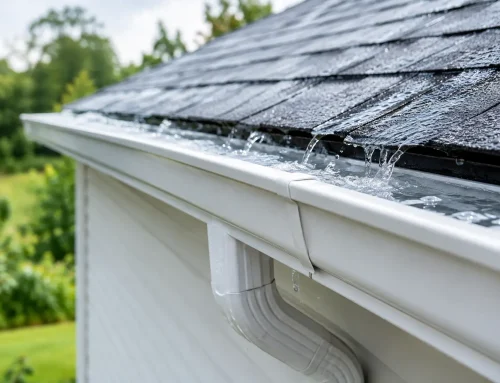
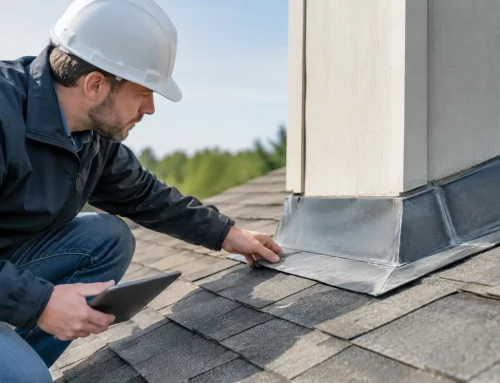
A roof can look acceptable from the ground and still have problems that deserve immediate attention. Loose shingles, lifted flashing, punctures from windblown debris, clogged drainage, and damaged pipe boots may allow water in long before a major leak develops. On low-slope apartment roofs, ponding water, open seams, membrane blisters, and deteriorated edge metal need close attention as well.
A professional inspection should look beyond the roof surface. The attic or upper ceiling area, ventilation, gutters, downspouts, roof penetrations, and exterior walls all provide clues about how water is moving through the building. The inspection should also consider the roof’s age, prior repairs, material type, drainage design, and storm history.
For larger properties, documentation matters just as much as the inspection itself. Clear photos, marked locations, written findings, and measurements help property owners compare repair options, budget accurately, and support a claim when covered storm damage is present. They also create a useful baseline for future maintenance.
When Apartment Roof Restoration Makes Sense
Restoration generally makes sense when the roofing system is structurally sound but has localized damage or age-related wear that can be addressed without removing the entire roof. The exact solution depends on whether the property has asphalt shingles, modified bitumen, TPO, metal, tile, or another system.
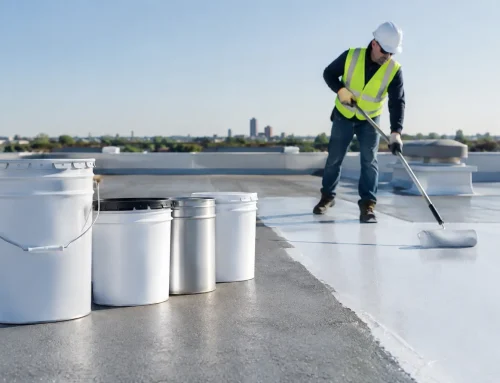
For a shingle roof, restoration may involve replacing wind-damaged shingles, resealing flashing, correcting ventilation issues, repairing ridge caps, and addressing damaged gutters. For low-slope systems, work may include repairing seams and penetrations, replacing wet insulation in affected sections, improving drainage, or applying a compatible restoration coating when the existing roof is a good candidate.
The benefit is straightforward: a properly scoped restoration can extend service life and address active vulnerabilities at a lower cost than a full replacement. It can also reduce tenant disruption because the work is more contained.
But restoration is not a shortcut for a roof that has reached the end of its useful life. If moisture is widespread beneath the surface, repairs have become frequent, decking is compromised, or the roof system has broad storm damage, patching may only delay a larger and more expensive problem. A dependable contractor should explain that distinction plainly.
Repair, Restoration, or Replacement?
A focused repair is usually appropriate for a small, identifiable issue, such as damaged flashing around a vent or a limited area of missing shingles. Restoration is broader. It addresses several vulnerable areas or renews an eligible roof system to improve performance and extend its remaining life.
Replacement is often the better option when damage is extensive, materials are brittle or failing across large areas, or the roof has repeated leaks in different locations. It may also be necessary when local code requirements, roof design, or the condition of underlying materials leave no reliable repair path.
Cost matters, but the lowest immediate price is not always the best value. Repeated service calls, interior repairs, tenant complaints, and emergency water mitigation can quickly outweigh the savings of postponing needed work. A clear proposal should show what is being repaired, what risks remain, and why that option fits the building’s condition.
Storm Damage Requires Fast, Organized Action
Hail, high winds, fallen branches, and heavy rain can damage an apartment roof in ways that are easy to miss. Wind may crease or lift shingles without removing them. Hail can bruise shingle mats, fracture protective surfaces, or damage metal components. On commercial-style low-slope roofs, debris impact and wind can compromise seams, flashing, and drainage areas.
After a storm, protect the building first. If there is active water entry, emergency tarping or temporary repairs can help limit additional damage while a full assessment is completed. Notify affected tenants about access needs and document interior conditions before cleanup removes evidence of the loss.
Insurance coverage depends on the policy, the cause of damage, deductibles, exclusions, maintenance history, and the adjuster’s findings. A contractor should never promise a claim outcome. However, detailed roof documentation can make the process easier to understand and help ensure the damage is presented accurately. Crown Exteriors works with property owners through inspection, damage documentation, adjuster communication, and restoration planning so they are not left trying to manage every moving part alone.
For apartment communities, communication is especially important. Managers should know which areas are affected, when crews will arrive, whether parking or access will change, and what safety measures are in place. Good project coordination protects both residents and the work schedule.
Plan Around Tenants, Access, and Operations
Roof work on an occupied apartment property requires more planning than work on a single-family home. Crews may need to protect landscaping, establish safe material staging areas, coordinate dumpster placement, and control access near entrances, balconies, and parking lots. Noise, vibration, and temporary closures should be communicated early and clearly.
Timing can make a meaningful difference. If severe weather is common during a particular season, schedule permanent work during a more stable weather window when possible. That said, active leaks should not wait for perfect conditions. Temporary protection and targeted repairs can bridge the gap until the full project can proceed safely.
The contractor should also have a cleanup plan. Roofing nails, packaging, old material, and debris create avoidable hazards in a multifamily setting. Daily site cleanup, magnetic nail sweeps, and a final walkthrough are practical signs that a crew respects the property and the people who live there.
Materials Should Match the Building, Not a Trend
The right roofing material is tied to roof slope, local climate, maintenance expectations, appearance, budget, and expected service life. A steep-slope building may benefit from architectural shingles that offer reliable weather protection and complement the exterior. A low-slope building may require a membrane system designed to manage standing water, thermal movement, and rooftop equipment.
Color selection also deserves attention on visible roofs. A new roof can refresh curb appeal, but it should coordinate with siding, brick, trim, and neighboring building features. In hotter climates, reflective materials may help manage heat gain on appropriate roof systems. In areas prone to high winds or hail, impact-resistant or wind-rated options may be worth discussing, depending on the building and insurance considerations.
Manufacturer warranties can add confidence, but they are not a substitute for correct installation. Material selection, ventilation, flashing details, drainage, and workmanship all need to work together. Ask what warranty applies, what it covers, and what maintenance is required to keep it in effect.
Protect the Investment After the Work Is Complete
Restoration is not the last time an apartment roof should receive attention. Routine inspections help catch small issues before they affect multiple units. A practical maintenance schedule often includes a professional inspection after major storms and at least once or twice a year, depending on the roofing system and local conditions.
Property staff can help by reporting overflowing gutters, ceiling stains, loose exterior components, standing water, and tree limbs rubbing against the roof. These observations do not replace a professional inspection, but they can speed up a response before a small concern becomes interior damage.
The best next step is simple: do not wait for a visible leak to tell you the roof needs attention. A thorough inspection gives you the information to protect residents, plan spending wisely, and move forward with confidence when restoration is the right answer.
Related Posts
If you enjoyed reading this, then please explore our other articles below: