
A roof does not fail in high wind because a shingle was simply “blown off.” Wind gets under vulnerable edges, lifts the material, breaks the seal between shingles, and can expose the roof deck one section at a time. By the time water stains appear indoors, the damage may already extend well beyond the missing shingles.
Choosing the best shingles for windy climates means looking past color and basic price. The right product matters, but so do the fastening pattern, underlayment, flashing, ventilation, roof shape, and the condition of the decking beneath it. For homeowners in storm-prone parts of Missouri, Illinois, and Florida, those details can determine whether a roof withstands the next severe weather event or becomes an insurance claim.
What Makes a Shingle Good in High Wind?
Wind resistance is generally expressed as a miles-per-hour rating. Many standard architectural asphalt shingles are rated for winds around 110 mph when installed under the manufacturer’s requirements. Some premium architectural and impact-resistant shingles can be rated for 130 mph or more with enhanced installation methods.
That rating is useful, but it is not a promise that every roof will survive every storm without damage. A rating assumes the shingles are installed on a properly prepared roof deck, with the correct number and type of nails, adequate starter strips, and compatible components. It also assumes the roof has not already been weakened by age, past storm damage, poor attic ventilation, or loose flashing.
A wind-resistant roof system is built to keep wind from getting beneath the shingles in the first place. Strong adhesive strips help shingles seal together. A reinforced nailing area helps prevent fasteners from tearing through. Heavier materials can resist uplift better than lightweight products, although added weight is only one part of the equation.
Best Shingles for Windy Climates: Your Main Options
For most homes, architectural asphalt shingles offer the best balance of wind performance, appearance, availability, and cost. They are thicker and more dimensional than traditional three-tab shingles, and many models offer wind ratings suitable for areas that see strong thunderstorms and seasonal storms.
Architectural Asphalt Shingles
Architectural shingles, also called dimensional or laminated shingles, are the most practical choice for many homeowners. Their layered design gives them more depth and durability than three-tab shingles. When installed correctly, quality architectural shingles are often rated for winds of 110 to 130 mph.
They also come in a broad range of colors, so homeowners do not have to sacrifice curb appeal for protection. The trade-off is that not every architectural shingle has the same warranty coverage, adhesive technology, or approved installation method. Comparing product names alone is not enough. Ask what wind rating applies to your specific roof and what installation requirements must be met to maintain it.
Impact-Resistant Architectural Shingles
Impact-resistant shingles are designed to stand up better to hail and flying debris, which often accompany high-wind storms. Many carry a Class 4 impact-resistance rating, the highest common rating for asphalt shingles under a standardized impact test.
These shingles can be a smart investment in areas with frequent hail, but impact resistance and wind resistance are different performance measures. A Class 4 shingle is not automatically the highest-wind option. Look for both ratings, and confirm that the shingle is approved for the wind conditions in your area.
The upfront cost is usually higher, but the added protection may be worthwhile for a roof that has sustained repeated storm damage. Some insurers may offer discounts for qualifying impact-resistant products, though availability and savings vary by carrier and location.
Three-Tab Shingles
Three-tab shingles are thinner, flatter, and typically less expensive than architectural shingles. They can work on low-budget projects or certain rental properties, but they are generally not the preferred choice for homes exposed to frequent high winds.
Their wind ratings are often lower, and their lighter construction provides less resistance to uplift. If you are replacing a roof after wind damage, moving up to a quality architectural shingle is usually the more protective long-term decision.
Specialty Shingles and Alternative Materials
Some specialty asphalt products are engineered for higher wind exposure. Metal roofing, tile, slate, and synthetic roofing systems may also offer strong wind performance when designed and installed correctly. However, these options involve different costs, structural considerations, repair needs, and appearance preferences.
In coastal or hurricane-prone locations, local building codes may require specific products and fastening methods. A roofing professional should evaluate the entire system before recommending a material. The best option for a steep-slope home in Missouri may not be the right solution for a Florida property facing coastal wind requirements.
The Installation Details That Protect Your Roof
A premium shingle cannot overcome poor workmanship. Most wind-related roofing failures begin at the roof’s edges, ridges, penetrations, or areas where shingles were not fastened and sealed according to specifications.
Proper starter shingles are especially important. They create a secure first course along the eaves and rakes, where wind pressure is often strongest. Using cut-up field shingles as starters may save a little material, but it does not provide the adhesive coverage or edge protection of a purpose-made starter strip.
Nail placement matters just as much. Nails driven too high can miss the reinforced nailing zone. Nails driven too low can leave exposed fasteners and reduce holding strength. Overdriven nails can cut into the shingle, while underdriven nails may prevent the next shingle from lying flat. Each mistake creates an opening for wind and water.
High-wind installation may also call for additional fasteners per shingle. Many standard installations use four nails, while a six-nail pattern may be required to achieve the manufacturer’s higher wind rating. This is not a minor upgrade. It can make a meaningful difference in how well shingles resist uplift.
Underlayment, drip edge, pipe flashing, chimney flashing, ridge caps, and attic ventilation also deserve attention. These components work together. When one part fails, water can bypass the shingles and reach the roof deck, insulation, and interior walls.
Look Beyond the Wind Rating Before You Buy
Before selecting shingles, consider your home’s exposure. A house on a hill, near open fields, beside a lake, or at the end of a street with little wind protection may experience stronger gusts than nearby homes. Taller roofs, steep roof pitches, and roof sections that meet at valleys or walls can also create pressure zones that need careful detailing.
The age and condition of the roof deck are equally important. If the decking has rot, soft spots, or moisture damage, it may not hold fasteners securely. Replacing damaged decking during a roof replacement is not an optional cosmetic step. It is part of building a roof system that can perform in a storm.
Warranty terms should be reviewed carefully as well. Manufacturer warranties can provide valuable protection, but they have conditions. The product must be installed according to instructions, with approved accessories where required. Wind warranties may also have limitations based on location, installation method, or the age of the roof.
What to Do After a Windstorm
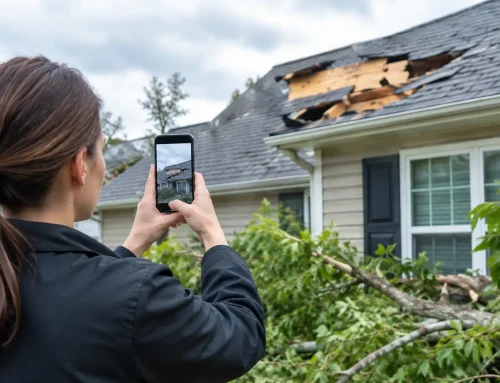
After severe weather, look for visible warning signs from the ground. Missing shingles, lifted corners, exposed nail heads, debris on the roof, damaged gutters, bent flashing, and shingle granules around downspouts all deserve attention. Indoors, check for fresh ceiling stains, damp insulation, peeling paint, or musty odors in the attic.
Avoid climbing onto a storm-damaged roof yourself. Wind damage is not always obvious, and walking on loose or compromised shingles can create more damage or cause an injury. A professional inspection can document the condition of the roof, identify temporary protection needs, and determine whether repair or replacement is the more responsible option.
If storm damage may be covered by insurance, thorough documentation matters. Photos, measurements, repair findings, and material identification can help clarify the scope of loss. Crown Exteriors LLC provides inspections and storm restoration support designed to help property owners understand the damage, communicate clearly with adjusters, and move forward with confidence.
Choose Protection You Can Trust
The best shingles for windy climates are not just the ones with the highest number on the package. They are the shingles that fit your local weather risks, your roof design, your budget, and a complete installation system built to manufacturer specifications.
When wind has already tested your roof, do not wait for a small lifted edge to become a leak. A careful inspection can give you clear answers and a practical next step before the next storm arrives.
Related Posts
If you enjoyed reading this, then please explore our other articles below: