
A roof that is still structurally sound but showing signs of age does not always need a full replacement. For many commercial properties, roof coating systems can extend service life, address minor leaks, and help manage heat buildup without the disruption of a tear-off. The key is knowing whether the existing roof is a good candidate before applying anything over it.
A coating is not a shortcut around serious roof damage. If moisture is trapped in the assembly, seams are failing, insulation is saturated, or storm damage has compromised the roof, those issues need to be identified and corrected first. A thorough inspection gives property owners a clear recommendation based on the roof’s actual condition, not a one-size-fits-all sales pitch.
What Roof Coating Systems Do
Roof coatings are liquid-applied membranes that cure into a protective layer over an existing roof surface. They are most common on low-slope commercial roofs, including metal, modified bitumen, built-up roofing, and certain single-ply systems. When properly specified and installed, a coating can help seal small surface defects, protect the roof from ultraviolet exposure, and create a renewed weather barrier.
Many coatings are white or reflective. That can reduce the amount of solar heat absorbed by the roof, which may help make upper floors more comfortable and reduce cooling demand during hot weather. The real benefit varies with the building, insulation levels, local climate, and HVAC system, so energy savings should be viewed as a possible advantage rather than a guaranteed number.
Coatings can also reduce disruption. A full replacement may require removing existing materials, moving equipment, and creating more noise around an occupied building. A restoration coating is often less invasive when the roof qualifies for it. That matters for businesses, multifamily properties, churches, warehouses, and facilities that need to stay operational during roofing work.
When a Coating May Be the Better Option
A roof coating is worth considering when the existing roof remains dry, stable, and generally well attached. The surface may be weathered, lightly cracked, faded, or nearing the end of its original warranty period, but the underlying roofing system must still be capable of supporting a restoration.
Metal roofs are common candidates. Over time, fasteners can loosen, penetrations can develop gaps, and seams can become vulnerable to water entry. After repairs to those areas, a properly installed coating system can create an additional protective surface over the roof.
Low-slope membrane roofs can also qualify if the membrane is in serviceable condition. Small splits, seam concerns, and localized damage may be repaired before coating. The inspection should include drains, scuppers, flashing, curbs, skylights, parapet walls, and every penetration. Water rarely enters at the most obvious spot, so the details matter as much as the broad field of the roof.
For a property owner trying to plan ahead, a coating can be a practical way to gain additional service life while budgeting for long-term capital needs. It is not necessarily the lowest-priced option in every case, but it can be a smart value when the roof has good bones and the work is done correctly.
When Roof Coating Systems Are Not Enough
A coating should never be used to cover a failing roof without addressing what is underneath. If a roof has widespread ponding water, significant membrane deterioration, major rust-through, storm-created openings, or extensive previous patching, replacement may be the more responsible recommendation.
Moisture is another deciding factor. Wet insulation and trapped water can lead to deterioration below the surface, even when the roof looks acceptable from above. Applying a coating over those conditions can hide the problem temporarily while allowing damage to continue. A qualified contractor may use visual inspection, test cuts, moisture scanning, or other diagnostic methods to determine whether the assembly is dry enough for restoration.
Coatings are also not typically the answer for most steep-slope asphalt shingle roofs. Shingles are designed as a layered water-shedding system, and applying a field coating can interfere with their intended performance. If a shingle roof has wind damage, hail impact, missing materials, or age-related failure, repair or replacement is usually the appropriate path.
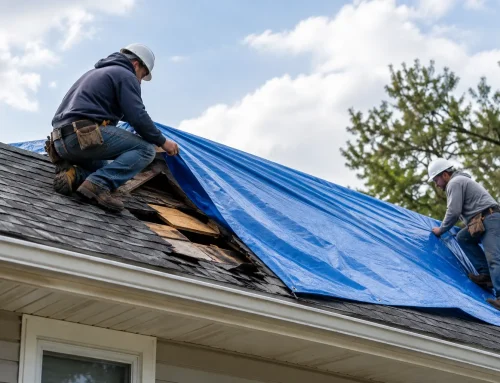
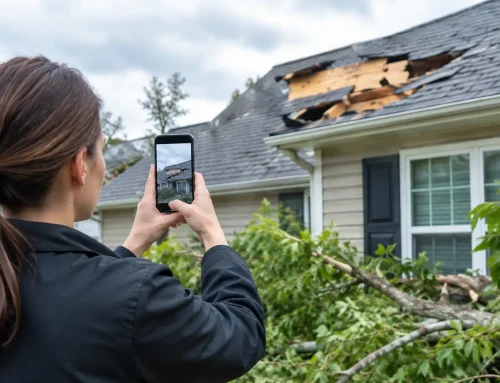
Storm damage deserves special attention. Hail can bruise roofing materials, wind can lift seams and flashing, and debris can puncture a membrane. Even a small opening can allow water into the building. If a storm has recently affected your property, document the condition and schedule an inspection promptly. Emergency protection may be needed before a permanent coating, repair, or replacement plan can begin.
Choosing the Right Coating Material
Not all coatings perform the same way, and the best choice depends on the roof substrate, slope, drainage, climate, and expected foot traffic. Acrylic, silicone, polyurethane, and asphalt-based coatings each have different strengths and limitations.
Acrylic coatings are often selected for reflectivity and cost-conscious restoration projects. They can perform well on roofs with positive drainage, but standing water may be a concern depending on the product and installation conditions. Silicone coatings are often considered where ponding water is more likely, though they can attract dirt and may require extra care when future recoating is planned.
Polyurethane systems can offer strong impact resistance and may be useful in higher-traffic areas. They often involve multiple components or steps, which can increase labor and material costs. The right material is not simply the product with the strongest marketing claim. It is the system that matches the roof condition and is installed according to the manufacturer’s requirements.
Preparation is where many coating projects succeed or fail. The roof must be cleaned, dry, repaired, and properly primed where required. Seams, fasteners, penetrations, and transitions often receive reinforcing fabric or detail work before the field coating is applied. Skipping those steps to save time can lead to premature failure.
Questions to Ask Before Approving the Work
Before moving forward, ask how the contractor determined that the roof is a restoration candidate. You should understand the condition of the existing membrane or metal panels, whether moisture was found, what repairs are included, and how drainage concerns will be handled.
Ask about the coating manufacturer, system warranty, required thickness, and the documentation you will receive at completion. Coating thickness is measured in mils, and applying too little material can affect performance and warranty eligibility. A dependable contractor should be able to explain the scope in plain language, including what the coating can and cannot solve.
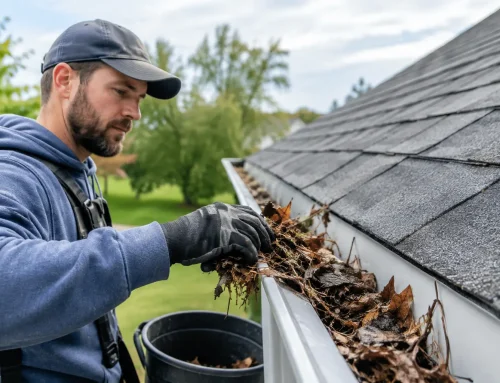
It also helps to discuss maintenance. Roofs still need periodic inspections after a coating is installed. Leaves, debris, blocked drains, loose flashing, and storm damage can affect any roofing system. Regular checkups help catch small concerns before they become interior leaks or costly structural repairs.
For commercial property managers, timing should be part of the conversation. Coatings need suitable weather conditions to cure correctly, and roof access may need to be coordinated around tenants, equipment, or business operations. Good planning protects the building while keeping disruption manageable.
Start With a Clear Roof Assessment
The right roofing decision begins with an honest assessment, not an assumption that coating is always cheaper or replacement is always necessary. A professional inspection can identify active leaks, hidden moisture concerns, storm damage, weak details, and the remaining life of the existing roof.
Crown Exteriors helps property owners understand the condition of their roofing system and the next steps that make sense for their building. Whether a roof needs targeted repairs, a restoration coating, emergency protection, or replacement, you deserve straightforward answers and workmanship built to last. If your roof is aging or has been through recent severe weather, schedule an inspection before a minor issue has time to spread.
Related Posts
If you enjoyed reading this, then please explore our other articles below: