
A roof can lose shingles in a storm and still have a problem hiding underneath. Understanding roof decking damage helps property owners recognize when water, wind, or age has affected the structural surface beneath the roofing material. Catching that damage early can prevent a small repair from becoming a widespread leak, interior repair, or premature roof replacement.
Roof decking is not usually visible from the driveway, and it may not be visible from the attic until the problem has progressed. That is why a professional inspection matters after hail, high winds, falling branches, or a roof leak.
What Roof Decking Does
Roof decking, sometimes called roof sheathing, is the layer of wood panels or boards attached to the roof framing. It creates the solid surface that shingles, underlayment, metal panels, or other roofing materials are installed over. In many homes, decking is made from plywood or oriented strand board, commonly called OSB.
This layer does more than hold nails. It helps distribute weight across the roof structure, supports roofing materials during high winds, and gives the roof its flat, even appearance. When decking becomes wet, soft, split, or detached from the framing, the roofing system above it cannot perform as intended.
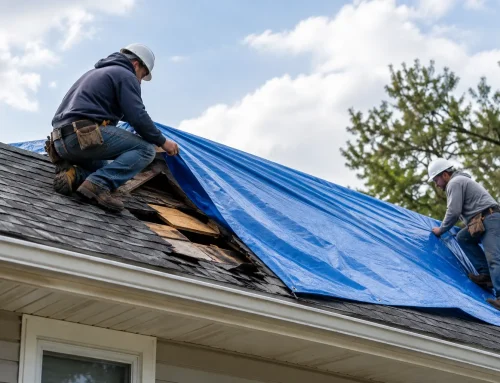
A damaged shingle can often be replaced on its own. Damaged decking is different. It may require removing the roofing materials in that section so the compromised wood can be properly evaluated and replaced.
Understanding Roof Decking Damage After a Storm
Storm damage does not always punch an obvious hole through a roof. Wind can lift shingles and loosen fasteners, allowing rain to work beneath the surface. Hail can crack or bruise shingles, reducing their ability to shed water over time. A branch impact can break decking even when the exterior damage appears limited.
Water is the most common source of decking deterioration. Once moisture reaches wood sheathing, it can cause swelling, warping, staining, mold growth, and rot. Repeated wetting and drying can weaken the panel long before a ceiling stain appears inside the home.
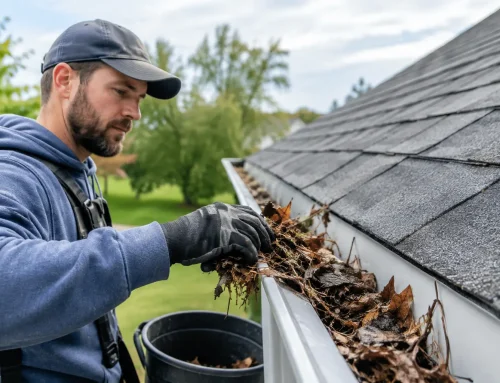
Older roofs are especially vulnerable because worn shingles, brittle seal strips, deteriorated flashing, and clogged gutters can all create pathways for water. However, newer roofs can also develop decking damage if storm-driven rain enters around a damaged vent, pipe boot, ridge, or roof-to-wall transition.
The timing matters. After a severe storm, documenting the roof’s condition promptly can help establish the source and extent of the damage. For property owners filing a claim, clear inspection findings and photographs can also help the insurance conversation move forward with fewer unanswered questions.
Signs Your Roof Decking May Be Damaged
Some signs are visible from the ground or inside the property. Others only become clear when a qualified roofer lifts shingles during a repair or replacement. Watch for these concerns, especially after a weather event:
- A sagging, wavy, or uneven roofline
- Soft spots that feel spongy when a trained professional walks the roof
- Water stains, peeling paint, or bubbling drywall on ceilings and upper walls
- Drips, damp insulation, or musty odors in the attic
- Dark stains, mold, or visibly swollen wood around attic penetrations
- Loose, lifted, or missing shingles that may have exposed the layer beneath
A ceiling stain does not always sit directly below the roof leak. Water can travel along decking, rafters, insulation, or wiring before it becomes visible indoors. For that reason, the source should be traced rather than guessed.
Sagging deserves prompt attention. A slight dip can result from old framing or an installation issue, but it can also indicate weakened decking or structural members. The cause determines the repair, so it should not be covered with new shingles without further inspection.
What Happens If You Leave Damaged Decking Alone?
Delaying a decking repair can create a chain reaction. Moisture can spread beyond one panel, insulation can become saturated, and mold can develop in enclosed spaces. As the wood loses strength, shingles may not hold fasteners securely. That increases the risk of wind damage during the next storm.
There is also a cost consideration. Replacing a localized section of decking while addressing a roof leak is often more manageable than waiting until several areas have deteriorated. If the roof is near the end of its service life, a full replacement may be the more practical option because it allows the entire deck to be inspected and any damaged sections to be repaired before new materials are installed.
The right path depends on the age of the roof, the amount of affected decking, the cause of the damage, and whether surrounding materials are still in good condition. An honest contractor should explain whether a focused repair is reasonable or whether broader work is warranted.
How Roof Decking Is Evaluated and Repaired
A thorough inspection starts with the full roofing system, not just the most noticeable missing shingle. A roofing professional checks the roof surface, flashing, vents, gutters, attic area when accessible, and interior signs of moisture. They look for storm impacts, active leak paths, ventilation concerns, and conditions that may have contributed to the problem.
If decking damage is suspected, the exact condition may only be confirmed after shingles and underlayment are removed from the affected area. The roofer can then assess whether the panel is solid, whether fasteners still hold, and whether moisture has reached adjacent sections or framing.
The repair process typically involves removing the damaged roofing materials, cutting out compromised decking, installing matching new sheathing securely over the framing, and rebuilding the roofing layers above it. Proper underlayment, flashing, and shingle installation are essential because replacing the wood without correcting the water entry point only invites another failure.
Local building requirements can affect the scope of work. Some jurisdictions require deck attachment improvements or other code-related updates when a roof is replaced. A licensed and insured contractor can explain what applies to the property and include those requirements in the project plan.
Insurance Considerations for Storm-Related Damage
Insurance coverage depends on the policy, the cause of loss, and the documentation available. Sudden storm damage may be handled differently than long-term deterioration from an old leak or deferred maintenance. That distinction is one reason an inspection should identify both visible damage and the likely cause.
If a storm has damaged shingles, flashing, gutters, or other exterior components, do not assume the decking is automatically covered or automatically excluded. The roof needs to be inspected as a complete system. Photographs, measurements, moisture evidence, and a clear repair scope can help the adjuster understand what is necessary to restore the property.
Avoid making permanent repairs before the damage is documented unless an emergency situation requires immediate action. Temporary protection, such as emergency tarping, may be needed to limit further water intrusion. Keep records of the date of loss, visible changes, interior damage, and any temporary mitigation work.
Crown Exteriors LLC helps property owners document storm-related roofing damage, communicate clearly during the claims process, and understand the repair recommendations before work begins. The goal is not to create unnecessary work. It is to make sure hidden damage is not left beneath a roof that should be protecting the building.
When to Schedule an Inspection
Schedule a roof inspection after hail, high winds, a tree impact, or any leak inside the property. You should also request an evaluation if the roof appears uneven, your attic has new moisture or staining, or shingles have begun lifting or disappearing.
For commercial property managers, inspections are particularly valuable after major weather because a small roof issue can affect tenants, equipment, inventory, and operations. Documenting conditions quickly also gives decision-makers a clearer basis for maintenance, emergency protection, and claim planning.
Roof decking damage is rarely a problem to diagnose from a photo alone. A careful inspection gives you a clear answer, practical options, and a better chance to protect the property before the next rainfall turns a hidden weakness into a larger repair.
Related Posts
If you enjoyed reading this, then please explore our other articles below: