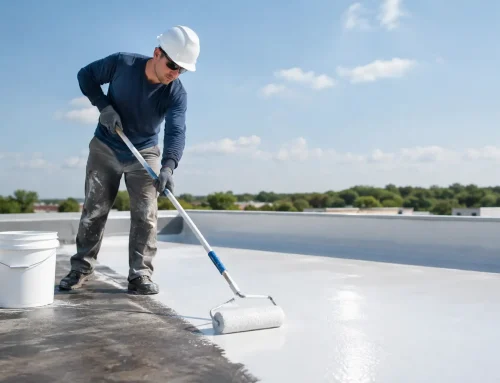

A commercial roof coating can extend the service life of an existing roof, improve reflectivity, and postpone a full replacement. But it is not a universal fix. A useful commercial roof coating comparison starts with the roof itself: its age, moisture condition, drainage, existing membrane, past repairs, and exposure to sun, rain, wind, and foot traffic.
For a property manager, the right decision is rarely about choosing the coating with the lowest price per gallon. It is about choosing a system that adheres correctly, handles the building’s conditions, and can be maintained over time. A coating applied over trapped moisture, deteriorated insulation, or widespread membrane failure may only hide a larger problem.
Commercial Roof Coating Comparison by Material
Most commercial coating conversations center on acrylic, silicone, polyurethane, and asphalt-based products. Each serves a purpose, but the best fit depends on the roof’s condition and how water moves across it.
Acrylic coatings
Acrylic coatings are water-based and commonly used on low-slope commercial roofs. They are often white or light-colored, which can help reflect sunlight and reduce heat absorption at the roof surface. They are generally easy to apply and can be a cost-conscious option for roofs that are in good condition with positive drainage.
The trade-off is ponding water. Acrylic coatings can lose performance when sections of the roof hold standing water for extended periods. They also need appropriate weather conditions during installation and cure time. On a roof that drains well and receives strong sun exposure, acrylic may make good sense. On a roof with recurring puddles around drains or low spots, another coating may be better suited.
Silicone coatings
Silicone is frequently considered when ponding water is a concern. It is highly resistant to moisture and can perform well in wet, humid, and sun-intense conditions. This makes it a common option for low-slope roofs with drainage challenges, particularly where repeated rainfall is part of the building’s normal environment.
Silicone’s biggest advantage is also why the installation details matter. Its surface can collect dirt over time, which may reduce reflectivity. Future recoating also requires careful preparation because not every coating adheres well to an existing silicone surface. Property owners should plan for periodic cleaning, inspection, and a contractor who understands the specific coating system.
Polyurethane coatings
Polyurethane coatings are known for durability and resistance to impact and foot traffic. They are often a strong choice around mechanical equipment, service paths, rooftop access points, and other areas where the roof takes more abuse than a typical open field.
These systems commonly involve a base coat and topcoat, and they can cost more than an acrylic application. Still, the higher upfront investment may be worthwhile for a roof with frequent maintenance activity or a surface exposed to hail, windborne debris, and physical wear. As with every system, the substrate and moisture condition must be evaluated before work begins.
Asphalt-based and aluminum coatings
Asphalt-based coatings and aluminum roof coatings have long been used for certain built-up roofing systems and modified bitumen roofs. They can be practical in the right application, especially when compatibility with an existing asphalt roof is the priority.
They are not automatically the best choice for every commercial building. Reflectivity, elasticity, warranty options, and long-term maintenance needs can differ substantially from modern acrylic, silicone, and polyurethane systems. The existing roof assembly should guide the recommendation rather than a one-size-fits-all preference.
What Matters More Than the Coating Name
The label on the bucket does not determine whether a coating project succeeds. Proper inspection, preparation, repairs, and application thickness are what turn a coating into a functioning roof system.
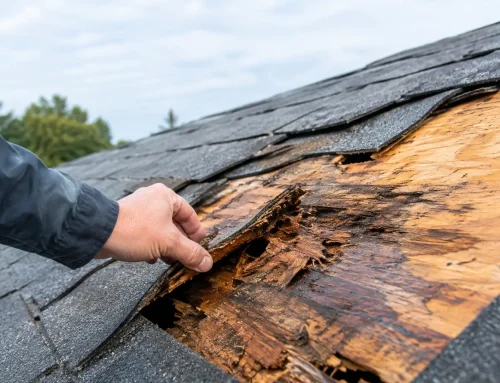
Before recommending a coating, a qualified contractor should inspect seams, flashing, penetrations, drains, scuppers, rooftop equipment curbs, and previous repair areas. Blisters, open seams, saturated insulation, loose membrane, and damaged flashing need to be addressed first. A coating cannot restore structural decking or solve widespread moisture trapped below the membrane.
Cleaning is equally important. Dirt, grease, loose granules, chalking, and biological growth can prevent proper adhesion. Depending on the roof type, the surface may need power washing, primer, seam reinforcement, fabric at transitions, or targeted repairs before the field coating is applied.
Thickness also matters. Coatings are typically specified to achieve a dry film thickness, not simply a certain number of passes with a roller or sprayer. Applying too little material can compromise durability and warranty eligibility. Applying the wrong system over the wrong substrate can create adhesion issues that are costly to correct later.
When a Roof Coating Is a Smart Investment
A coating is often worth considering when the existing roof is still fundamentally sound but is showing surface weathering, minor leaks, aging sealant, or declining reflectivity. It can be especially useful for a property owner who wants to manage capital costs while protecting a roof that still has usable life remaining.
Coatings are also less disruptive than a full tear-off in many cases. That can matter for occupied offices, retail spaces, warehouses, multifamily properties, and facilities that need to stay operational. The project timeline is usually shorter than replacement, though weather, roof size, repair needs, and cure requirements all affect scheduling.
A coating may be a poor choice if the roof has extensive moisture intrusion, major membrane deterioration, chronic drainage failure, or deck damage. In those cases, repairs or replacement can be the more honest recommendation. Covering serious damage may delay the decision, but it can also increase future costs and leave the building exposed to leaks.
Budget, Warranty, and Maintenance Expectations
A coating project should be evaluated by lifecycle value, not just installation cost. Ask what repairs are included, what preparation is required, what thickness will be installed, and whether reinforcement is planned at seams and penetrations. The scope should clearly state the coating type, warranty terms, exclusions, and maintenance responsibilities.
A manufacturer-backed warranty can be valuable, but it is not a substitute for correct installation and routine care. Most commercial roofs benefit from scheduled inspections, drain cleaning, debris removal, and prompt repair of punctures or damaged flashing. A small issue near a rooftop unit can become a major interior leak if it is ignored through several storm cycles.
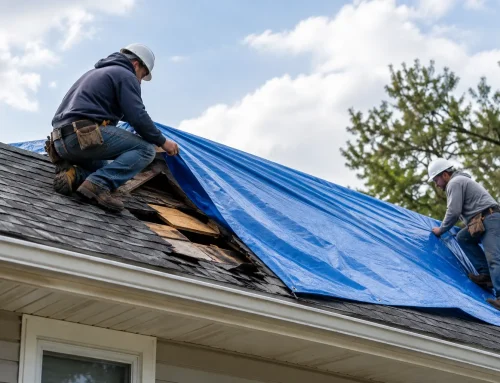
Storm damage deserves special attention. High winds, hail, flying debris, and backed-up drainage can affect a coated roof as well as a conventional membrane. If a severe storm has recently hit the property, document the condition before authorizing work. Photographs, inspection notes, and repair estimates may be helpful if an insurance claim is involved.
Choosing the Right Path for Your Building
The simplest way to compare coatings is to match material strengths to the roof’s real conditions. Acrylic can be a practical reflective option for a well-drained roof. Silicone can be a better fit where standing water is difficult to eliminate. Polyurethane can offer added toughness in high-traffic or impact-prone areas. Asphalt-compatible coatings may have a place on the right existing roof system.
That decision should follow a hands-on inspection, not a guess based on product price or a sales pitch. Crown Exteriors LLC can inspect commercial roofing conditions, identify repair needs, document storm-related damage, and explain whether a coating, repair, or replacement is the most responsible next step.
Your roof does not need the most expensive coating on the market. It needs a system that fits the building, is installed correctly, and is backed by a clear plan for protecting the property after the work is complete.
Related Posts
If you enjoyed reading this, then please explore our other articles below: