
A new roof can be one of the largest investments you make in your home or commercial property, especially after hail, wind, or water damage. This manufacturer roofing warranty guide explains what that coverage actually means, what can put it at risk, and how to keep your records ready if a problem develops years after installation.
A warranty is valuable, but it is not a blanket promise that every future roof issue will be repaired at no cost. The details matter: the product installed, the warranty level selected, the contractor’s qualifications, the cause of damage, and whether the roof was installed according to the manufacturer’s requirements. Knowing those details before work begins can prevent unwelcome surprises later.
What a Manufacturer Roofing Warranty Covers
A manufacturer warranty generally covers defects in the roofing materials themselves. For asphalt shingles, that may include a qualifying manufacturing issue that causes shingles to fail prematurely under normal conditions. Depending on the product and warranty tier, coverage may address replacement shingles, prorated material costs after an initial coverage period, or limited labor costs.
The word “limited” deserves attention. Most manufacturer warranties have defined coverage periods, specific claim requirements, and exclusions. A shingle may carry a long advertised warranty period, but the strongest coverage is often available only during the first portion of that term. After that, reimbursement may be reduced based on the roof’s age.
Some manufacturers offer enhanced warranties when a certified contractor installs a complete roofing system. That system can include shingles, underlayment, starter strips, ventilation components, and ridge caps from the same manufacturer. These enhanced options may provide better coverage than a standard material warranty, but only if the installation meets the program rules.
Material Coverage Is Not the Same as Workmanship Coverage
This is the most common point of confusion for property owners. A manufacturer stands behind its product. The roofing contractor stands behind the installation.
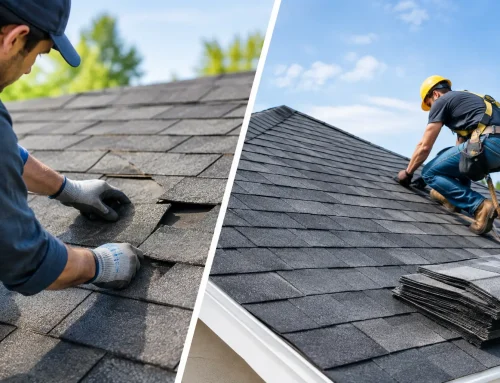
If shingles are defective because of a manufacturing problem, the manufacturer warranty may apply. If water enters around a flashing detail because it was installed incorrectly, that is usually a workmanship issue. Storm damage is also different. Hail impact, wind uplift, fallen limbs, and other sudden losses are typically insurance matters, not manufacturer warranty claims.
A dependable contractor should explain these differences plainly before you sign a contract. Ask for the workmanship warranty in writing and review its length, what it covers, and how to request service. Also ask whether the contractor is authorized or certified by the material manufacturer. Certification does not eliminate every risk, but it can make enhanced warranty eligibility possible and confirms that the contractor has met certain manufacturer standards.
Why the Roofing System Matters
A roof is more than the visible shingle layer. It is a system of materials designed to move water away from the structure, manage attic moisture, and resist wind. When compatible components are installed correctly, the roof has a better chance of performing as designed and qualifying for the best available warranty protection.
For example, inadequate attic ventilation can contribute to excessive heat and moisture buildup. Improper flashing can create leaks even when the shingles are in good condition. Using components outside a manufacturer’s approved system may affect enhanced warranty eligibility. That does not mean every roof needs the most expensive package. It means the scope should match the building, local weather exposure, roof design, and warranty goals.
In Missouri, Illinois, and Florida, weather exposure can be demanding in different ways. Midwest roofs may face hail, high winds, freeze-thaw cycles, and ice-related concerns. Florida properties often contend with intense sun, heavy rain, humidity, and hurricane-season wind. The right materials and installation details should be selected for the conditions your property actually faces, not just for the longest warranty language on a brochure.
Read These Warranty Details Before Installation
Before materials arrive, request a copy of the exact warranty associated with the shingles and warranty tier proposed for your project. Do not rely only on a general statement that materials are “warrantied.” Review the product name, color, manufacturer, and coverage level listed in your estimate.
Pay close attention to the start date. Most manufacturer warranties begin when the materials are installed, not when you move into the property or notice a concern. Also determine whether registration is required. Some warranties are active without registration, while others may require registration for certain enhanced benefits. When registration is available, complete it promptly and save the confirmation.
Transferability is another detail worth checking. If you sell the property, some warranties may transfer once, while others require notice within a specific number of days. A transferable warranty can be a useful selling point, but only if the transfer process is completed correctly.
Common Exclusions That Surprise Property Owners
A warranty document is designed to define what is covered and what is not. Exclusions are not necessarily a sign of poor materials. They are how manufacturers separate product defects from damage, maintenance issues, and conditions outside their control.
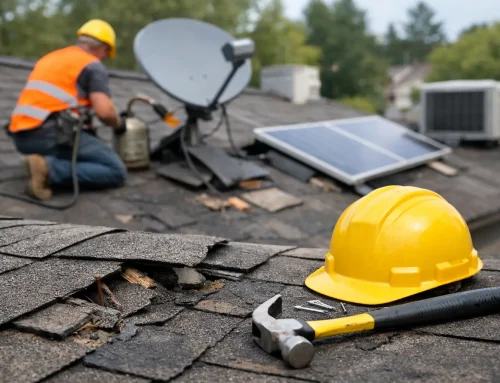
Most manufacturer warranties do not cover storm damage, leaks caused by improper installation, damage from foot traffic, structural movement, poor ventilation, ponding water, or neglected maintenance. They may also exclude damage tied to third-party repairs, alterations such as satellite or solar work, and pressure washing or harsh chemical cleaning.
The roof deck is another important distinction. A manufacturer warranty on shingles generally does not cover deteriorated decking, framing problems, or interior water damage. During a replacement, a qualified roofer should inspect the decking as materials are removed and document any concealed deterioration that needs repair. Addressing that work correctly protects the new roof system and helps avoid future disputes over the source of a leak.
Keep a Roof File From Day One
Warranty claims are easier when you can document what was installed and when. Keep a dedicated digital folder and a printed copy of your key records. At minimum, save these items:
- The signed contract, final invoice, and proof of payment
- The material order or invoice showing the exact product and color
- The manufacturer warranty and any registration confirmation
- Before-and-after photos, inspection notes, and permits if applicable
- Records of future repairs, maintenance, and storm inspections
This file is useful for more than a manufacturer claim. It can support an insurance claim after a storm, help a future buyer understand the roof’s history, and give a repair contractor accurate information if an issue arises. For commercial property managers, it also creates continuity when staff responsibilities change.
What to Do When You Notice a Roof Problem
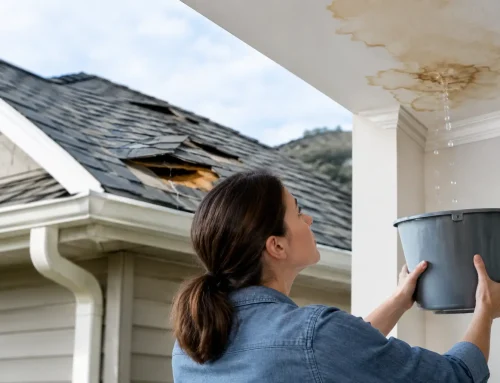
Do not assume a leak automatically means the shingles have failed. Water can travel along decking, framing, insulation, or penetrations before it becomes visible inside. The point where you see staining may be far from the entry point.
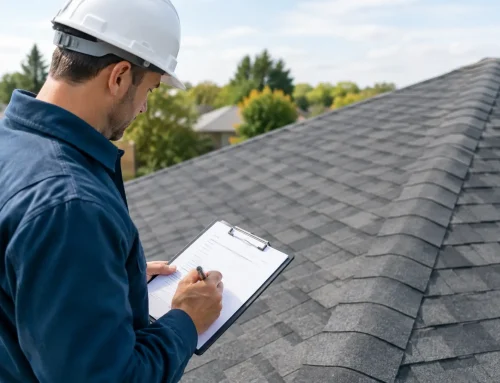
Start by documenting what you see. Take photos of interior stains, damaged shingles visible from the ground, and any affected gutters or siding. Avoid climbing onto a roof after a storm or when surfaces are wet. A professional inspection can identify whether the concern appears related to storm damage, workmanship, flashing, ventilation, aging materials, or a potential manufacturing issue.
If the problem follows hail or wind, contact your insurance carrier and request a professional inspection as soon as practical. If it appears to be a product concern, the manufacturer may require specific documentation, photos, samples, or an inspection before a claim decision is made. Do not remove or discard materials connected to the issue unless you have been advised to do so.
Crown Exteriors can inspect the roof, document storm-related conditions, and help property owners understand whether the next step is an insurance claim, a repair, or a conversation about warranty coverage. Clear documentation and an honest assessment are the best starting point.
Questions Worth Asking Your Roofer
Before approving a roof replacement, ask which manufacturer warranty comes standard, whether enhanced coverage is available, and what is required to qualify. Ask for the contractor’s workmanship warranty separately. You should also confirm who handles product registration, whether ventilation or decking repairs are needed, and what maintenance practices could affect coverage.
Price matters, but a lower proposal is not always the same roof system or warranty level. Compare estimates based on materials, accessories, installation scope, ventilation, flashing work, cleanup, workmanship coverage, and warranty eligibility. A clear proposal gives you a better basis for deciding than a single total at the bottom of the page.
A roof warranty is most useful when you understand it before you need it. Keep the paperwork, schedule inspections after major storms, and address small concerns early so your roof can continue protecting the property and the people inside it.
Related Posts
If you enjoyed reading this, then please explore our other articles below: