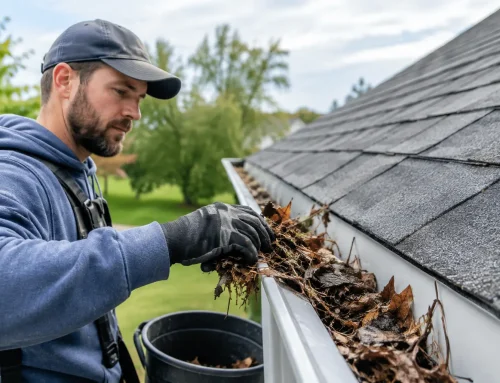

A storm can leave a commercial building looking mostly intact while water enters through lifted flashing, cracked roof seams, damaged vents, or a puncture hidden beneath rooftop equipment. That is why a commercial storm damage assessment guide should begin with more than a quick look from the parking lot. Property owners and managers need a clear record of what happened, what was affected, and what must be addressed before a small issue becomes an interruption to operations.
The priority after wind, hail, heavy rain, or fallen debris is safety. The next priority is protecting the building and documenting conditions accurately enough to support repair decisions and an insurance claim. Moving too fast can miss damage. Waiting too long can allow water intrusion, mold growth, inventory loss, and more costly repairs.
Start With Safety and Stabilization
Do not send employees, tenants, or maintenance staff onto a roof immediately after a storm. Wet surfaces, loose materials, downed power lines, damaged HVAC units, and unstable tree limbs create real hazards. Restrict access around affected areas and use temporary barriers where debris, leaks, or damaged exterior components could endanger people.
From the ground, look for obvious emergency conditions: active roof leaks, collapsed sections, broken glass, detached gutters, hanging siding or metal panels, and water near electrical equipment. If the building is taking on water, protect people and critical assets first. Move equipment or inventory when it is safe to do so, place containers under active drips, and photograph the conditions before temporary cleanup changes the scene.
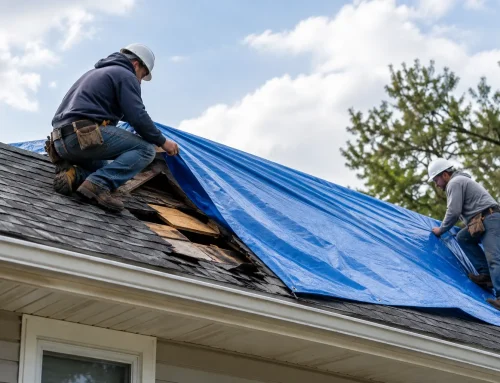
Emergency tarping or temporary sealing may be necessary to prevent additional damage. This work should be handled by trained professionals who can secure the building without causing further damage to the roof system. Keep invoices, work orders, and photos for all emergency mitigation. Insurance carriers commonly need evidence that reasonable steps were taken to limit additional loss.
Document Damage Before Repairs Begin
Good documentation does not need to be complicated, but it must be organized. Start a storm file with the date and approximate time of the event, weather conditions, building address, and names of anyone who observed damage. Photograph broad views of the property first, then take close-up images of each damaged area.
Capture the roofline, gutters, siding, windows, doors, signage, exterior lighting, fencing, rooftop units, and drainage areas. Inside the building, photograph stained ceiling tiles, wet insulation, damaged walls, flooring, inventory, and equipment. Include photos that show scale, such as a measuring tape next to hail impacts or a wider image that establishes the location of the damage.
Video can also be useful for documenting active leaks and widespread conditions. Avoid making assumptions in your notes. Instead of writing that a roof leak was caused by hail, record what you can verify: water is visible at the ceiling near the northeast office, or metal flashing is bent along the west parapet. A qualified inspection can determine the likely cause and scope of damage.
What a Commercial Storm Damage Assessment Should Cover
Commercial properties have more variables than a typical residential roof. A proper assessment considers the building envelope as a connected system, not just the visible roof surface. Water can enter at the roof, travel along decking or framing, and appear far from the original opening.
Roofing and rooftop components
The inspection should identify lifted, missing, fractured, or punctured roofing materials. On low-slope systems, professionals look for membrane tears, open seams, displaced ballast, damaged coatings, ponding water, and compromised penetrations. On steep-slope roofs, common concerns include bruised shingles, missing tabs, exposed fasteners, damaged ridge caps, and bent flashing.
Rooftop penetrations deserve careful attention. Vents, pipe boots, skylights, curbs, drains, scuppers, and HVAC connections are frequent leak points after high wind. Hail may also damage soft metals, including vents and flashing, even when the primary roof material appears less affected.
Exterior walls, gutters, and drainage
Wind-driven rain can expose weaknesses in siding, masonry joints, window seals, and wall penetrations. Check for cracked panels, displaced trim, loose coping, dented metal, and water entry around doors or windows. Gutters and downspouts should be checked for impact damage, separation, clogs, and improper drainage around the foundation.
Drainage matters because standing water can worsen roof deterioration and create slip hazards around the property. If a storm changed the grade, damaged downspouts, or filled drains with debris, address those conditions promptly.
Interior moisture and business impact
Interior damage is often the clearest sign that the exterior system has been compromised, but it may not appear immediately. Inspect ceilings, walls, attic areas, mechanical rooms, storage areas, and spaces beneath rooftop equipment over the days following a storm. Note musty odors, peeling paint, warped materials, or discolored ceiling tiles.
For commercial owners, the assessment should also record operational impact. Did water damage inventory, close part of the building, interrupt tenant operations, or affect electrical systems? These details can matter when discussing the full loss with your insurer. It is wise to separate photos and records for building damage, contents damage, and business-related expenses.
Get a Professional Inspection Before You File
A property manager may spot obvious damage, but a professional exterior inspection provides the technical documentation needed to understand the condition of the roof and related systems. The right contractor can identify storm-related damage, prior wear, installation concerns, and areas requiring immediate mitigation.
This distinction matters. Not every roof issue is caused by one storm, and not every visible mark requires replacement. A trustworthy assessment should explain what was found, show supporting photos, and recommend only the work the property needs. Sometimes targeted repairs and maintenance are appropriate. In other cases, widespread wind or hail damage, recurring leaks, or compromised materials may justify a larger restoration plan.
Crown Exteriors LLC provides hands-on inspection and storm restoration support so commercial property owners can understand the findings before making a repair decision. A detailed report also gives the insurance adjuster a clearer picture of the scope of loss.
Work With Your Insurance Carrier Carefully
Review your policy as soon as practical. Pay attention to deductibles, notice requirements, exclusions, and whether the policy is written on a replacement-cost or actual-cash-value basis. Commercial policies can also have specific provisions for wind, hail, water damage, and business interruption.
File the claim promptly when you believe covered damage occurred, but do not let the claim process delay emergency protection. Give the carrier accurate information and keep a record of claim numbers, adjuster contacts, inspections, emails, estimates, and receipts. When the adjuster visits, have your documentation available and ask questions about anything that is unclear.
A contractor experienced with insurance claims can meet with the adjuster, point out documented damage, and help clarify the scope of necessary repairs. The contractor should not promise claim approval or tell you what coverage you have. The carrier makes coverage decisions. However, strong documentation and a professional assessment can reduce confusion and help keep the process moving.
Avoid the Mistakes That Create Bigger Losses
The most expensive post-storm mistake is assuming there is no damage because there is no active leak. Wind can loosen materials without immediately creating a visible interior issue, and hail damage can shorten the service life of roof components over time. Schedule an inspection even when the building appears normal from the ground.
Another common mistake is authorizing permanent repairs before documenting the condition and speaking with the insurer. Emergency work is often necessary, but permanent repairs can make it harder to show the original damage. Take photos, preserve damaged materials when practical, and communicate with your carrier before the work begins.
Be cautious of anyone who pressures you to sign immediately after a storm or offers vague promises about what insurance will pay. Choose a licensed, insured contractor with commercial experience, clear written estimates, and a local reputation for standing behind the work. The lowest price is not always the lowest risk, especially when the building’s operations and tenants are involved.
Plan Repairs Around Your Business Needs
Once the scope is clear, build a repair plan that protects the property while minimizing disruption. A roof replacement may need to be scheduled around tenant hours, customer traffic, weather forecasts, delivery access, noise restrictions, or sensitive equipment. Temporary protection, phased work, and clear communication can make a major difference for everyone using the building.
Ask your contractor how materials will be staged, how debris will be managed, which areas need to remain clear, and what happens if weather changes during the project. Quality workmanship includes cleanup, protection of landscaping and access areas, and a final walkthrough of completed work.
A storm assessment is not just a report for a claim file. It is your opportunity to make informed decisions before hidden damage spreads. When the next storm passes through, a timely inspection and an honest restoration partner can help keep your property protected, your records organized, and your business focused on serving the people who rely on it.
Related Posts
If you enjoyed reading this, then please explore our other articles below: