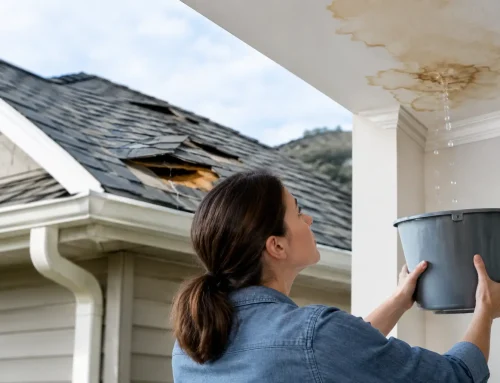

A roof problem rarely shows up at a convenient time. It usually arrives after hail, high winds, a fallen limb, or a ceiling stain that makes you wonder how long the leak has been there. In that moment, hiring a licensed insured roofing contractor is not just a box to check. It is one of the clearest ways to protect your home, your finances, and your peace of mind.
When property owners are under pressure, it is easy to focus on speed alone. Fast response matters, especially after a storm, but credentials matter just as much. The contractor you choose will be walking your roof, documenting damage, handling materials, coordinating labor, and in many cases helping you through an insurance claim. That is not a job for someone whose qualifications are vague or whose coverage cannot be verified.
What a licensed insured roofing contractor actually means
The phrase gets used a lot in roofing, and not always carefully. A licensed insured roofing contractor should be able to show that the business is properly registered or licensed where required, and that it carries active insurance coverage relevant to roofing work. Depending on the state, county, or city, licensing rules can look different. Some jurisdictions require a specific roofing license, while others regulate contractors at a broader level.
Insurance matters in a more practical way than most homeowners realize. It can include general liability coverage, which may help protect against property damage caused during the job, and workers’ compensation coverage, which may apply if a worker is injured on your property. If a company cannot clearly explain its coverage, that is a concern. If it hesitates to provide proof, that is a bigger one.
Being licensed and insured does not automatically make every contractor excellent. Workmanship, communication, and honesty still matter. But without those baseline protections, the risk shifts back onto the property owner in ways that can get expensive quickly.
Why this matters more after storm damage
Storm restoration is where contractor credentials become especially important. After severe weather, neighborhoods often see a flood of door knockers and short-term crews offering quick repairs. Some are legitimate. Others disappear once the check clears or the temporary patch is done.
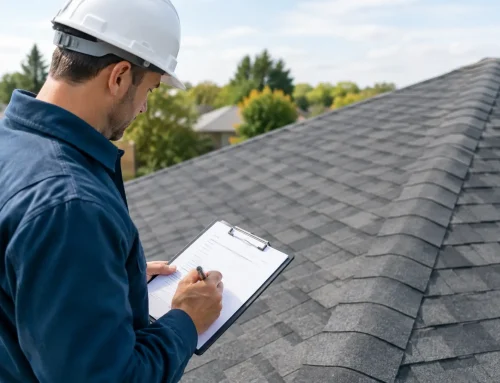
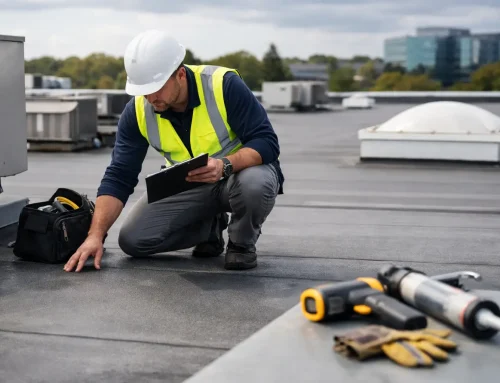
A licensed insured roofing contractor is better positioned to handle the full process the right way. That starts with a proper inspection, not a rushed opinion from the driveway. It continues with documentation, photo evidence, repair or replacement recommendations, and a clear scope of work. If an insurance claim is involved, organized documentation can make a real difference in how smoothly the process moves.
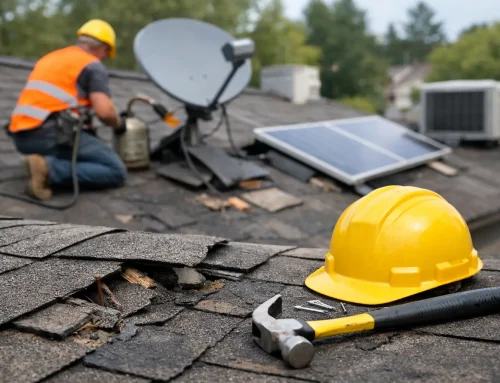
This is also where experience matters alongside credentials. A contractor that understands storm damage restoration can often identify issues a property owner would miss, such as lifted shingles, bruised areas from hail impact, compromised flashing, or gutter and siding damage tied to the same event. Those details matter because partial information can lead to partial repairs.
The risks of hiring the cheapest uninsured option
Price always matters, and no homeowner wants to overpay. Still, the lowest bid can be the most expensive choice when it comes from a contractor who is not properly licensed or insured.
One risk is liability. If there is accidental damage to siding, windows, landscaping, or interior finishes during the project, you want a contractor with coverage and a process for addressing it. Another risk is injury. Roofing is physically demanding and dangerous work. If a crew member gets hurt and the contractor lacks proper insurance, the situation can become complicated fast.
There is also the quality issue. Contractors operating without proper credentials may cut corners in ways you do not see until later. That can mean improper underlayment, poor flashing details, bad ventilation decisions, or installation methods that affect manufacturer warranty coverage. A roof can look acceptable from the ground and still be set up to fail early.
Cheaper bids sometimes leave out key items as well. Tear-off, disposal, flashing replacement, decking repairs, permit handling, and warranty terms are not always apples-to-apples from one estimate to another. A professional contractor should be able to explain what is included, what is not, and why.
How to verify a licensed insured roofing contractor
You do not need to be a roofing expert to ask smart questions. In fact, reputable contractors expect those questions and should answer them clearly.
Start by asking for the business name exactly as it appears on its registration or license, if licensing applies in your area. Then ask for proof of insurance. A certificate of insurance should not feel like a special favor. It is a standard document.
Pay attention to how the company communicates. A dependable contractor should be able to explain whether permits are needed, who pulls them, what type of roof system is being recommended, and how cleanup will be handled. If the job involves storm damage, ask how they document findings and whether they have experience working with adjusters. A strong contractor does not promise to control your claim outcome, but it should know how to present damage clearly and professionally.
Reviews and local reputation matter too. Neighbor feedback often tells you more than a polished sales pitch. Look for patterns in what people say about timeliness, cleanup, follow-through, and how the company handled unexpected issues.
Why insurance-claim support is part of the value
For many homeowners, roofing stress is not only about the roof. It is about the paperwork, the waiting, the uncertainty, and the fear of making a costly mistake. That is why a contractor with insurance-claim experience can be so valuable.
A good contractor helps create order during a chaotic situation. It can inspect the property thoroughly, document visible storm damage, explain what may be related to the loss, and communicate in a way that supports a cleaner claim review. That does not mean inflating damage or making unrealistic promises. It means being accurate, detailed, and responsive.
This is especially helpful when the damage extends beyond shingles. Gutters, siding, fascia, soffit, flashing, and other exterior components may all be part of the same weather event. Having one contractor manage the broader exterior scope can reduce delays and confusion.
For property owners in storm-prone regions like Missouri, Illinois, and Florida, that support can save time and lower stress at exactly the moment both are in short supply. Companies like Crown Exteriors LLC build their service around that need by combining roofing work with claim support and restoration management, so customers are not left trying to coordinate every step alone.
What to expect from a professional roofing process
A qualified contractor should make the process feel more organized, not more confusing. The first step is usually an inspection. That inspection should identify current damage, signs of age-related wear, and whether repair or replacement makes more sense.
From there, you should receive a clear explanation of next steps. If repairs are appropriate, the contractor should explain the scope and any limits, especially if the roof has widespread deterioration or discontinued materials. If replacement is recommended, the company should walk you through materials, ventilation, timelines, and warranty coverage in plain language.
On the job itself, professionalism shows up in the details. Crews arrive prepared. Materials are staged safely. Landscaping and surrounding areas are protected as much as possible. Magnetic cleanup and debris removal are taken seriously. The project manager or point of contact stays available instead of disappearing once the contract is signed.
That level of service is not flashy, but it matters. Homeowners remember whether the contractor answered the phone, showed up when promised, kept them informed, and addressed concerns without excuses.
When licensing requirements vary by state
One point that often confuses property owners is that licensing is not identical everywhere. In some areas, a roofing contractor may need a state license. In others, licensing may happen at the county or municipal level, or a general contractor registration may apply instead.
That does not make the question less important. It means you should ask how the contractor is authorized to work in your location and what local requirements apply. A trustworthy company will not dodge that conversation. It will explain the rules that apply to your project and provide documentation when requested.
The same goes for insurance. Coverage levels and requirements can differ, but the contractor should still be able to show active coverage and explain what it includes.
The best hire is not just qualified, but accountable
A roof is one of the most important systems on your property, and roofing decisions tend to show their consequences later. That is why the right contractor is not simply someone who can start tomorrow. It is someone who can stand behind the work, communicate honestly, and handle the job with the level of care your property deserves.
A licensed insured roofing contractor gives you a stronger foundation for all of that. The credentials help reduce risk. The insurance helps protect against the unexpected. The professionalism behind those basics often signals something even more valuable – accountability.
If you are dealing with storm damage, a leak, or a roof that may be nearing the end of its life, take a little extra time to verify who you are hiring. The right contractor will not make a stressful situation disappear, but it will make the path forward much clearer.
Related Posts
If you enjoyed reading this, then please explore our other articles below: