
A drip appearing in the middle of a rainstorm can feel like it came from nowhere. So, can a roof leak suddenly? Yes, the water inside may show up without warning, but the roof issue often started earlier. A loose shingle, failing pipe boot, damaged flashing, or small storm opening may have stayed hidden until wind-driven rain found its way through.
The priority is protecting the people and property inside your home or building while getting a clear answer about the source. Fast action can limit ceiling damage, insulation loss, mold concerns, and the cost of a larger repair.
Why a roof leak can seem sudden
Roof leaks are rarely as simple as a hole directly above the wet spot. Water can enter near a ridge, chimney, vent, skylight, or roof valley and travel along decking, rafters, or insulation before it reaches your ceiling. By the time you see a stain or drip, the entry point may be several feet away.
A roof can also be close to failing for months without leaking indoors. Aging sealant around flashing may hold during light rain but fail under a heavy downpour. A lifted shingle may stay in place until a strong gust breaks its seal. Granule loss and worn materials can gradually reduce protection, then a single storm exposes the weakness.
Sudden leaks are especially common after hail, high winds, falling branches, or fast-moving thunderstorms. Hail can crack shingles and damage vents. Wind can lift or remove shingles, loosen ridge caps, and pull flashing away from walls or chimneys. Even if the roof looks mostly normal from the ground, a small storm-related opening can allow significant water intrusion.
Temperature changes can play a role, too. Materials expand and contract over time. In colder climates, ice dams may force water beneath shingles at roof edges. In Florida and other hot, humid regions, intense rain, wind, and sun exposure can accelerate wear around penetrations and sealants.
What to do the moment you notice water
Start inside. Move furniture, electronics, inventory, and valuables away from the affected area. Put a bucket or waterproof container under an active drip, then lay down towels to reduce slipping and keep water from spreading across the floor.
If the ceiling is bulging, treat it seriously. A water-filled ceiling can collapse without much warning. Keep people and pets out of the area. If it is safe to do so, placing a small hole at the lowest point of the bulge can release water into a bucket and reduce pressure, but do not attempt this near lights, outlets, or electrical wiring. Turn off power to the affected area if you can do so safely, and call for professional help.
Take clear photos and short videos before moving too much. Document the ceiling stain, dripping water, damaged belongings, exterior debris, and any missing shingles you can see from the ground. This record can be valuable if the damage is related to a covered storm event and you need to file an insurance claim.
Do not climb onto a wet roof or try to make a rushed repair during active severe weather. Wet shingles are slippery, wind conditions can change quickly, and damaged roof decking may not support weight. An emergency tarp is often the right temporary protection, but it should be installed by a qualified roofing professional who can do it safely and avoid creating more damage.
Common places where water gets in
A professional inspection looks beyond the obvious missing shingle. Many leaks begin at the roof details, where materials meet, overlap, or are sealed around an opening.
Flashing and wall transitions
Flashing is the metal material that directs water away from chimneys, sidewalls, valleys, dormers, and roof transitions. Loose, corroded, improperly installed, or storm-damaged flashing can let water behind the roofing system. Because these areas handle concentrated runoff, even a narrow gap can become a noticeable interior leak during heavy rain.
Pipe boots, vents, and other penetrations
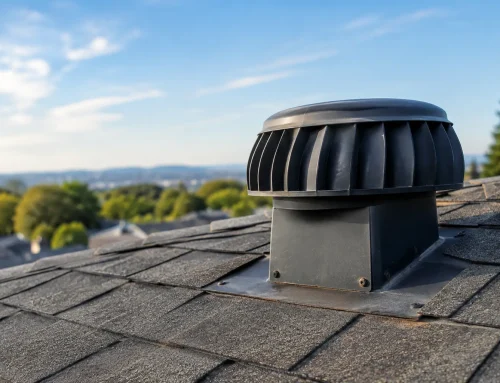
Plumbing vent pipes, attic vents, exhaust vents, and skylights interrupt the roof surface. Rubber pipe boots can crack with age, and sealant around vents can dry out or pull away. These failures are often small but can allow steady water entry whenever it rains.
Shingles, valleys, and roof edges
A cracked, torn, lifted, or missing shingle leaves the layers beneath it exposed. Valleys are another concern because they collect water from two roof slopes. If valley materials are worn, punctured, or improperly installed, water has a direct path below the roof covering.
At the edge of the roof, damaged drip edge, clogged gutters, or ice dams can push water where it does not belong. Gutters do not cause every roof leak, but overflow and standing water can reveal drainage issues that deserve attention.
Is it a roof leak or a different moisture problem?
Not every ceiling stain means the roof is leaking. Condensation from poorly insulated ductwork, a leaking plumbing line, a malfunctioning HVAC unit, or a bathroom exhaust problem can create similar symptoms. The timing offers a useful clue: if the stain grows or a drip appears during or shortly after rain, the roof is more likely involved.
Still, timing alone is not proof. A thorough inspection should consider the roof, attic, ventilation, plumbing connections, and nearby exterior components. Guessing at the source may lead to an unnecessary repair while the real problem continues.
When storm damage and insurance may be involved
If a leak starts after hail, high wind, or a fallen limb, request a professional inspection promptly. Storm damage is not always visible from the driveway, and waiting can allow a small opening to create broader interior damage.
Keep copies of photos, repair invoices, and any emergency mitigation work. Avoid throwing away damaged materials until you have documented them, unless they create a safety or sanitation issue. A roofing contractor experienced with storm restoration can identify roof damage, document findings clearly, and explain what may be appropriate to discuss with your insurance carrier.
Insurance coverage depends on your policy, the cause of loss, the roof’s age, and the condition of the property before the storm. An honest contractor should not promise claim approval. They should provide accurate evidence, explain the repair or replacement options, and help you understand the next steps without pressure.
Can a roof leak suddenly become an emergency?
It can. An active leak becomes urgent when water is near electrical systems, a ceiling is sagging, multiple rooms are affected, or a storm has created a large opening in the roof. Commercial property managers should also act quickly when water threatens equipment, tenant spaces, inventory, or safety-sensitive operations.
Even a small leak deserves timely attention. Moisture trapped in insulation or behind drywall can continue causing damage after the rain stops. The longer water remains in the building materials, the more likely you are to face stained ceilings, deteriorated wood, mold growth, or a more extensive restoration project.
How a professional roof inspection helps
A reliable inspection should identify both the immediate water entry point and the condition that allowed it to happen. That may include checking shingles, flashing, valleys, vents, roof penetrations, gutters, attic ventilation, and visible interior damage. The best solution is not always a full replacement. If the roof is otherwise in good condition and the issue is isolated, a targeted repair may be the most sensible choice.
On the other hand, widespread storm damage, repeated repairs, extensive aging, or multiple failing roof details may make replacement the better long-term value. The right recommendation depends on the roof’s condition, not on a one-size-fits-all sales pitch.
Crown Exteriors LLC can inspect the damage, provide straightforward findings, and help property owners navigate storm-related repair and insurance documentation. If water is entering your home or building, do not wait for the next storm to make the answer clearer. Protect the interior, document what you see, and arrange a professional inspection so you can move forward with confidence.
Related Posts
If you enjoyed reading this, then please explore our other articles below: