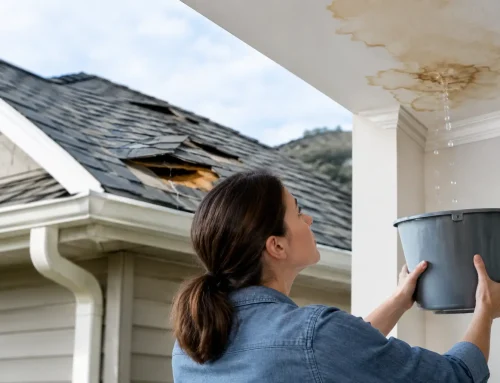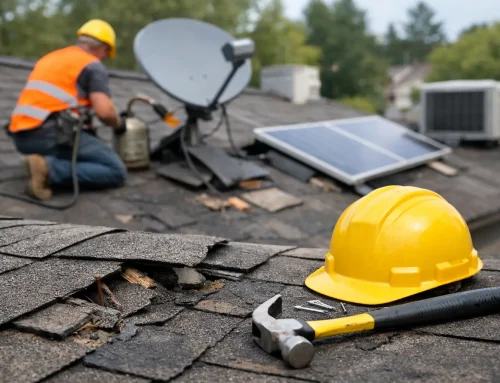

A tree limb punches through your roof at 9 p.m., rain is moving in, and your first question is usually not about shingles or decking. It is, will insurance cover emergency tarping? In many cases, yes, but coverage depends on why the damage happened, how quickly you acted, and how well the temporary repair is documented.
Emergency tarping is often part of the immediate steps needed to prevent further damage after a storm, fallen branch, wind event, or other sudden loss. Insurance companies generally expect property owners to take reasonable action to protect the home or building from additional harm. A tarp over an exposed roof section can be one of those reasonable actions.
When will insurance cover emergency tarping?
Most standard homeowners and commercial property policies may cover emergency tarping if the roof was damaged by a covered peril. That usually means a sudden and accidental event such as wind, hail, a fallen tree, or storm-related damage. If the tarp was necessary to stop water from entering the structure and prevent the damage from getting worse, there is a strong chance it may be reimbursable under your claim.
That said, insurance is not likely to treat every tarp invoice the same way. If the roof problem came from wear and tear, old age, lack of maintenance, or a long-term leak, the carrier may deny both the permanent repair and the emergency tarping cost. The key issue is usually not the tarp itself. It is whether the underlying cause of loss is covered.
This is where many property owners get tripped up. They assume any urgent roof issue automatically qualifies as an insurance claim. It does not. A tarp installed after a tornado is very different from a tarp installed because a 22-year-old roof finally failed during normal rain.
Why insurance companies often expect tarping after storm damage
Most policies include a duty to protect the property after a loss. In plain terms, that means if your roof is open to the elements, you are expected to take reasonable steps to limit further damage. Emergency tarping can show that you acted responsibly instead of letting water continue to soak insulation, drywall, flooring, and personal property.
This matters because secondary damage can complicate a claim. If a storm creates a hole in the roof and no one does anything for days, the insurer may question whether some of the interior damage could have been prevented. Taking fast action helps protect the property and can help protect the claim.
Reasonable is the important word. Insurance carriers usually do not expect a full restoration overnight. They do expect practical, temporary measures that make sense for the situation.
What emergency tarping usually covers – and what it does not
Emergency tarping is typically considered a temporary mitigation measure, not a permanent repair. The goal is to stabilize the roof until a proper inspection, estimate, and repair plan can happen.
Coverage may apply to the tarp installation itself, emergency labor, and sometimes related mitigation work if it was necessary to keep the property from suffering more damage. But that does not mean the policy will automatically pay for every charge on the invoice. If pricing appears excessive, if the tarp was installed without clear need, or if unrelated work is bundled into the bill, the insurer may push back.
It is also important to understand that tarping does not guarantee the whole roof will be approved for replacement. The tarp may be covered as an emergency measure even while the scope of the final repair is still being evaluated. In some cases, the carrier approves spot repairs. In others, the damage supports a full replacement. It depends on the extent of damage, policy language, local code requirements, and material matching issues.
Documentation can make or break the claim
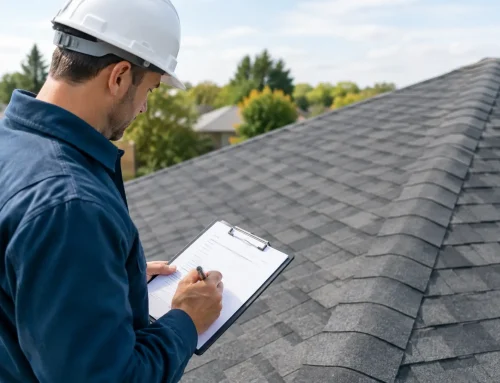
If you need emergency tarping, take photos before the tarp goes on if it is safe to do so. Then take more photos during and after the installation. Save the invoice, keep notes about the time and date of the damage, and document any weather event that caused it.
This is especially helpful when the adjuster cannot inspect immediately. Storm season can create delays, and a properly installed tarp may cover some visible damage by the time the inspection happens. Good photos help show the condition of the roof before temporary protection was put in place.
It also helps to keep records of any interior leaking, ceiling stains, wet insulation, or damaged contents. The more complete the file, the easier it is to show why emergency tarping was necessary in the first place.
Common situations where coverage depends on the details
A lot of claims fall into a gray area. For example, wind may lift shingles on an aging roof. The insurer may agree there was storm damage but still argue that pre-existing deterioration contributed to the problem. In that case, emergency tarping might still be seen as necessary, but the final coverage decision can become more complicated.
The same is true for flat roofs on commercial buildings. Water intrusion may appear sudden, but the carrier may investigate whether ponding water, membrane failure, or deferred maintenance played a role. Tarping could still be the right move to limit damage, but reimbursement may depend on what the inspection finds.
That is why fast, professional documentation matters. A qualified contractor can often identify whether damage looks storm-related, maintenance-related, or a mix of both. Clear reporting helps property owners avoid guessing at a time when every hour feels urgent.
How to handle emergency tarping the right way
Start by making safety the priority. If there is active leaking, structural damage, or a tree on the roof, stay out of dangerous areas and call for professional help. Roofs damaged by storms can be unstable, slippery, and more hazardous than they look from the ground.
Next, notify your insurance company as soon as possible. Let them know there is storm-related roof damage and that emergency mitigation is needed. Many carriers will note the file and may give guidance on temporary protection. Even if you cannot wait for formal approval because rain is coming, it is still smart to report the loss quickly.
Then hire a reputable, licensed, and insured contractor that understands emergency response and insurance documentation. This is not the time for a vague cash invoice or a quick patch from someone who cannot explain what was done. The quality of the temporary work matters because poor tarping can fail, create more damage, or raise questions during the claim process.
A contractor experienced in storm restoration can photograph the damage, document the emergency condition, and help communicate what was needed to protect the property. That kind of support can reduce stress and help keep the claim moving in the right direction.
Will insurance cover emergency tarping before the adjuster arrives?
Often, yes. In fact, waiting too long can sometimes create bigger problems than acting quickly. If more rain is forecast and the roof is exposed, temporary protection is usually the prudent step.
The important thing is to avoid doing more than necessary before the adjuster has a chance to inspect. Emergency tarping is temporary mitigation. Full roof repairs or material disposal before documentation can make the claim harder to evaluate. Protect the property first, but preserve evidence of the damage.
This is one reason many property owners prefer to work with a contractor who understands claims. At Crown Exteriors LLC, for example, that process often includes inspection photos, damage documentation, and direct coordination during the insurance review so the property owner is not left trying to explain roofing issues alone.
What if your claim is denied?
A denial does not always mean the tarp was the wrong decision. It may mean the carrier believes the cause of damage was excluded under the policy. If that happens, review the denial letter carefully and compare it against the inspection findings, photos, and weather event details.
Sometimes the issue is incomplete documentation. Sometimes it is a genuine coverage exclusion. Sometimes it is a disagreement about whether the damage was sudden or long term. Those are very different situations, and the next step depends on which one you are dealing with.
If there is uncertainty, get a thorough roof inspection and a written explanation of the damage from a contractor familiar with insurance restoration. Clear evidence can help you decide whether to accept the decision, provide more documentation, or ask for a reinspection.
The bottom line for homeowners and property managers
If a storm or other covered event damages your roof, insurance may cover emergency tarping because it helps prevent additional loss. But coverage usually depends on the cause of damage, the reasonableness of the mitigation, and the strength of the documentation. The tarp is only one part of the claim. The story behind it is what really matters.
When the roof is open and weather is moving in, fast action is usually the right call. Just make sure that action is safe, documented, and handled by a contractor who knows how to protect both the property and the claim. A temporary tarp can buy you time, but the right guidance can save you a lot more than that.
Related Posts
If you enjoyed reading this, then please explore our other articles below: