
A roof does not have to be actively leaking into your living room to be in trouble. Some of the most expensive repairs start with subtle issues that go unnoticed after a storm, a season of high winds, or years of normal wear. Knowing the signs of hidden roof damage can help you act early, protect your home, and avoid a much bigger repair bill later.
For many property owners, the hard part is that roof damage is not always obvious from the ground. Shingles can loosen without falling off. Flashing can separate just enough to let water in. Moisture can sit in the roof system for weeks before a stain ever appears on a ceiling. That is why a careful inspection matters, especially after severe weather.
Why hidden roof damage gets missed
Visible damage gets attention fast. A tree limb through the roof or missing shingles across the yard is hard to ignore. Hidden damage is different. It often starts in places homeowners rarely check, such as roof valleys, flashing around vents, underlayment, decking, or attic spaces.
Storm damage also does not always look dramatic. Hail can bruise shingles without cracking them open right away. Wind can break the seal that holds shingles in place, leaving them vulnerable during the next storm. Even a small issue can let in enough moisture to affect insulation, wood, drywall, or interior paint over time.
In areas like Missouri, Illinois, and Florida, roofs take a beating from wind, hail, heat, heavy rain, and rapid weather swings. A roof may look fine from the curb while hidden damage is already developing underneath the surface.
Signs of hidden roof damage inside your home
The first clues often show up indoors. Homeowners sometimes assume a roof problem will always look like a steady drip, but that is not how many leaks begin.
Ceiling stains and wall discoloration
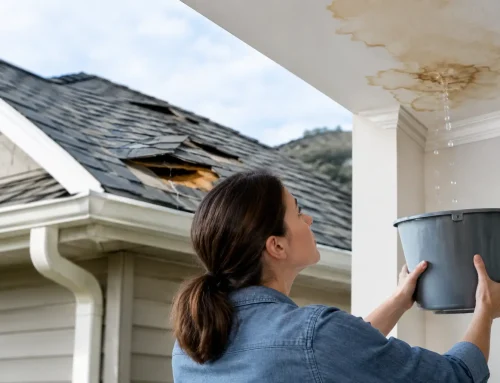
Brown spots, yellow rings, bubbling paint, or peeling drywall near the ceiling can point to moisture entering through the roof. The stain may not sit directly below the damaged area because water can travel along rafters or decking before it becomes visible.
If the spot seems to appear after heavy rain, that is a strong reason to have the roof inspected. Even a small stain can be a sign of a larger issue above it.
Musty smells in the attic or upper floors
A persistent damp or musty odor can mean moisture has been trapped in the attic or roof system. This may happen before visible mold appears. Poor ventilation can contribute to similar smells, so it depends on the situation, but moisture intrusion should always be ruled out quickly.
Sudden rise in energy bills
If heating or cooling costs climb without another clear explanation, roof damage may be part of the problem. Wet insulation loses effectiveness, and gaps caused by damaged roofing materials can affect attic temperatures. This is one of those warning signs people often overlook because it does not feel like a roofing issue at first.
Exterior signs of hidden roof damage
Some of the most reliable warnings are outside, but they can be subtle enough that homeowners miss them during a quick glance.
Granules in gutters or downspouts
Asphalt shingles shed granules over time, especially as they age. But if you notice an unusual amount of granules collecting in gutters after a storm, it may mean the shingles have taken impact damage or are deteriorating faster than they should.
A few loose granules are normal on a newer roof. Heavy buildup is different. It can signal that the protective surface of the shingle is wearing away.
Curling, lifted, or uneven shingles
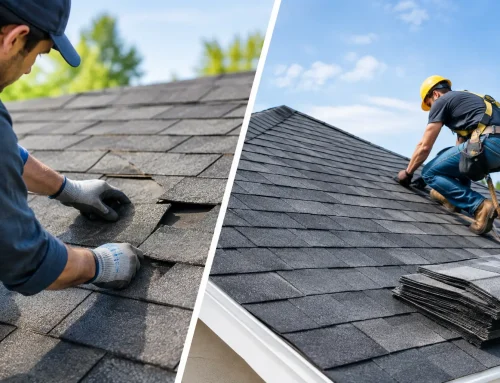
Shingles do not need to be completely missing to be compromised. Curling edges, lifted tabs, or sections that sit unevenly can indicate wind damage, age, installation issues, or moisture problems underneath. Once the seal is broken, water can get where it should not.
This kind of damage often gets worse gradually. A roof that survives one storm with only minor lifting may be much more vulnerable during the next one.
Damaged flashing around roof penetrations
Flashing is one of the most important parts of a watertight roofing system. It seals transitions around chimneys, vents, skylights, walls, and valleys. If flashing is cracked, rusted, bent, or pulling away, water can enter long before shingles show major failure.
Because flashing damage can be hard to see from the ground, it is one of the most commonly overlooked issues during a casual visual check.
Soft spots or sagging areas
A roofline should look straight and consistent. If you notice dips, soft spots, or sagging areas, that can point to moisture-damaged decking or structural problems below the shingles. This is not something to monitor casually. It needs professional attention as soon as possible.
Storm-related signs of hidden roof damage
After severe weather, hidden damage is especially common. The roof may have absorbed impact or wind stress without showing dramatic surface loss.
Hail marks on metal surfaces
If your gutters, downspouts, metal roof vents, or flashing show fresh dents after a hailstorm, your shingles may also have taken damage. Hail bruising can weaken shingles in a way that is not obvious without getting on the roof and inspecting each affected slope closely.
Debris impact and branch scrapes
Falling limbs and wind-driven debris may not puncture the roof, but they can scrape granules off shingles, loosen flashing, or create weak points. Even if a branch did not stay on the roof, the impact can still leave behind damage that reduces the roof’s lifespan.
Water spots after a storm but not every day
Intermittent interior staining is common with hidden storm damage. You may only notice a problem during wind-driven rain or heavier storms. That inconsistency can make people delay repairs, but it is actually a warning sign that water is finding a narrow entry point under certain conditions.
When signs of hidden roof damage point to an insurance claim
Not every roofing issue is insurance-related. Normal aging, maintenance neglect, and long-term wear usually are not handled the same way as sudden storm damage. But if the timing lines up with hail, wind, or another covered event, documentation matters.
This is where many homeowners feel stuck. They may suspect damage but are not sure what is cosmetic, what is functional, and what their policy may cover. A professional inspection can help identify the cause, document the damage clearly, and determine whether it makes sense to involve insurance.
If there has been a recent storm in your area, do not wait for a major leak before getting answers. Hidden damage that started with one storm can worsen quickly and complicate a future claim if it is left unaddressed.
What to do if you notice these warning signs
Start with a safe visual check from the ground and inside the attic if it is accessible. Look for stains, odors, sagging, gutter granules, or anything that seems different after a storm. Avoid climbing onto the roof yourself, especially if there may be soft spots or wind damage.
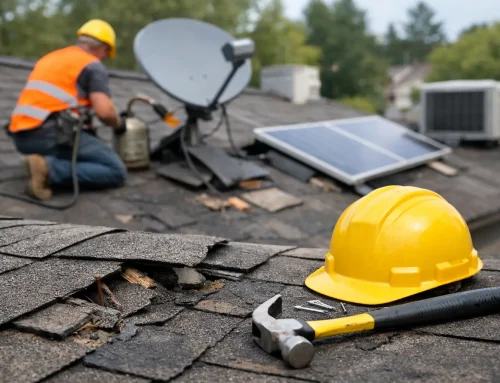
The next step is a professional roof inspection. A trained contractor can check shingles, flashing, vents, valleys, decking condition, and storm impact in a way that most property owners cannot from a ladder or driveway. They can also photograph the findings so you have a clear record of what is happening.
For homeowners dealing with recent storm activity, it helps to work with a contractor who understands restoration as well as roofing. Crown Exteriors LLC works with property owners through inspections, damage documentation, and the insurance claim process so repairs do not become harder than they need to be.
Why early action matters
Roof damage rarely gets cheaper by waiting. A small hidden leak can lead to rotted decking, mold growth, ruined insulation, damaged ceilings, and even electrical concerns if moisture spreads far enough. On commercial properties, delayed action can also affect tenants, operations, and long-term maintenance budgets.
There is also the issue of timing. Some damage is easiest to trace back to a storm when it is inspected soon after the event. Waiting too long can blur the line between storm damage and wear, which may make repair planning or claim support more difficult.
A reliable roof does more than keep out rain. It protects the structure, supports energy efficiency, and gives you confidence during the next storm. If something feels off, trust that instinct and have it checked. Catching hidden damage early is often the difference between a manageable repair and a much larger disruption.
Related Posts
If you enjoyed reading this, then please explore our other articles below: