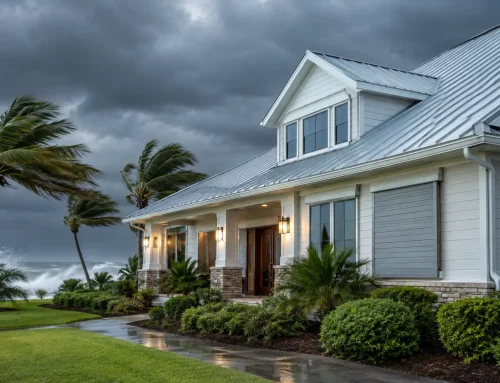

Water rarely waits for business hours. A few missing shingles, a fallen branch, or lifted flashing can turn a storm-damaged roof into soaked insulation, stained ceilings, and ruined flooring overnight. That is why emergency roof tarping services matter – they are the first protective step that helps limit damage, protect the structure, and buy time until permanent repairs can be made.
For homeowners and property managers, the hard part is usually not knowing whether the situation is truly urgent, what a tarp can realistically do, or how this step fits into an insurance claim. The short answer is simple: if your roof has been compromised and water can get in, acting fast matters. The longer answer is where experience makes a difference.
What emergency roof tarping services actually do
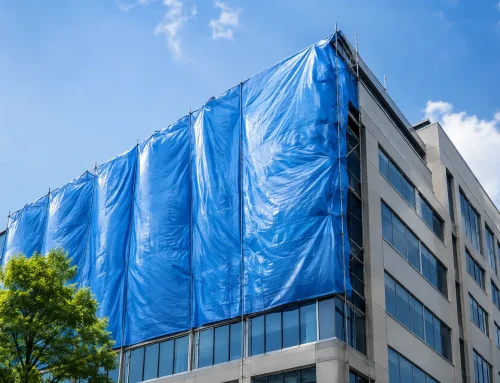
A roof tarp is a temporary protective covering installed over a damaged section of roof to keep additional water out. It is not a repair, and it should never be sold as one. Its job is to stabilize the situation after wind, hail, tree impact, or other sudden damage until the roof can be properly inspected and restored.
When installed correctly, a tarp helps reduce ongoing interior damage to drywall, insulation, framing, flooring, and personal belongings. It also helps property owners show that they took reasonable steps to prevent further loss, which can matter during the insurance process. A rushed or poorly secured tarp, on the other hand, may fail in the next storm or even create additional damage if it is fastened incorrectly.
That is why this service is about more than throwing plastic over a hole. It requires a clear assessment of the damaged area, safe access to the roof, proper anchoring, and an understanding of how water actually travels across roofing systems.
When to call for emergency roof tarping services
Some roof problems can wait a day or two for a scheduled repair visit. Others should be addressed immediately. If you can see exposed decking, punctures, torn-off shingles, impact damage from limbs, or active leaking inside the property, it is time to call.
The same is true if a storm has passed and you notice water stains spreading across ceilings or walls. The visible stain is often only part of the story. Water may be moving along decking, rafters, or insulation before it shows up indoors. By the time you place a bucket under a drip, moisture may already be spreading into other areas.
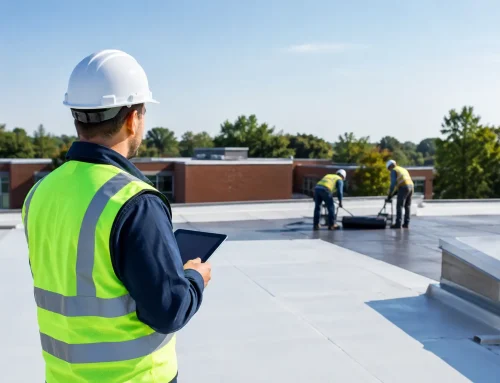
Commercial properties have another layer of urgency because leaks can interrupt business operations, damage inventory, and create safety concerns for employees or tenants. In those cases, a temporary protective measure is often the difference between a contained repair and a much larger restoration project.
What to expect during the service call
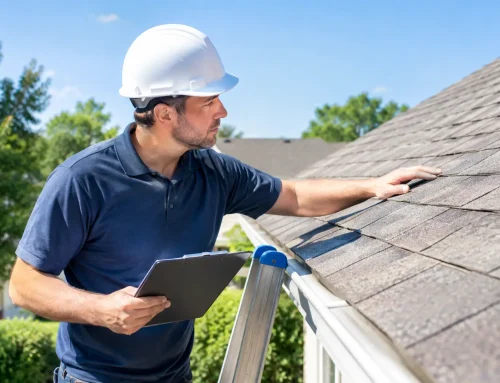
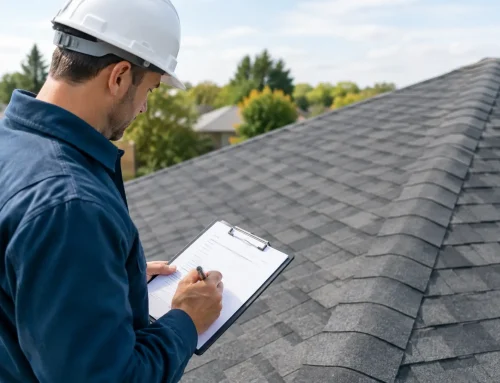
A professional response usually starts with a damage assessment. The contractor looks at the roof condition, identifies where water may be entering, checks for storm-related damage, and determines whether tarping is the right immediate solution. If the roof is unsafe to access because of structural issues or severe weather, the crew may need to wait until conditions improve. Safety always comes first.
Once the damaged areas are identified, the tarp is placed to cover the vulnerable section and extend beyond the obvious opening so water is directed away properly. Secure installation matters. A tarp that is too small, loosely fastened, or laid without regard to roof slope can let water continue to intrude.
Photos and documentation should also be part of the process, especially after storm damage. Good documentation helps establish the condition of the roof at the time of service and can support the next steps in the claim and repair process.
Emergency tarping and insurance claims
One of the biggest misunderstandings after a storm is assuming the insurance process starts and ends with the adjuster visit. In reality, property owners often need to act before that appointment happens. Most policies expect you to take reasonable steps to prevent additional damage after a loss. Emergency roof tarping services often fit squarely into that responsibility.
That does not mean every tarp installation is automatically covered the same way, because policies vary. It does mean delaying protection can complicate the claim if more interior damage develops after the initial storm. This is where working with a contractor who understands storm restoration can make the process much less stressful.
A contractor experienced in insurance-related damage can document conditions clearly, identify storm-created openings, and communicate the difference between emergency mitigation and permanent repair. That helps reduce confusion and keeps the conversation focused on what the storm caused and what is needed to restore the property properly.
Why proper installation matters more than most people think
From the ground, a tarp can look simple. On the roof, details matter. Roof pitch, shingle condition, decking stability, wind exposure, and the location of the damaged area all affect how the tarp should be installed.
For example, a small puncture near a ridge may need a very different approach than a broad area of missing shingles near an eave. A low-slope commercial section presents different water movement than a steep residential roof. The wrong attachment method can trap water, loosen surrounding materials, or create new penetrations.
There is also the issue of duration. Tarps are temporary by design, but some hold up better than others depending on the material used, weather conditions, and how soon repairs are scheduled. If severe weather continues, the tarp may need monitoring or replacement before permanent work begins. Honesty matters here. No reputable contractor should promise that a temporary tarp is a long-term fix.
What homeowners should do right after roof damage
If the storm has passed and the property is safe, start by documenting what you can from the ground. Take photos of visible damage, fallen branches, interior staining, and any active leaking. Avoid climbing onto the roof yourself. A damaged roof can be slick, unstable, and far more dangerous than it appears.
Inside the home, move valuables away from leaking areas if possible and use towels or containers to limit immediate water spread. Then call a qualified roofing and restoration professional for an inspection and emergency protection. The goal is not just to stop the drip you can see, but to understand the full extent of the damage.
If an insurance claim is likely, report the loss promptly and keep records of the emergency service provided. Clear communication and organized documentation can save time later.
Choosing a contractor for emergency roof tarping services
In a storm-driven situation, speed matters, but so does judgment. Property owners should look for a licensed and insured contractor that responds quickly, explains the condition clearly, and does not use fear to pressure a full replacement before the roof has been properly assessed.
The best emergency response teams do more than cover damage. They inspect thoroughly, document what they find, explain what is temporary versus permanent, and help property owners understand the next step. If insurance is involved, it also helps to work with a company that can support communication and documentation throughout the claim.
That combination is especially valuable after major weather events, when many property owners are dealing with the same urgent questions at once. A dependable local contractor can help you move from immediate protection to a clear restoration plan without adding more confusion to an already stressful situation.
From temporary protection to permanent repair
A tarp buys time, but it should always lead to a real repair strategy. Once the roof is protected, the next step is a thorough inspection to determine whether the damage can be repaired locally or whether a larger restoration is needed. That depends on the age of the roof, the scope of the storm damage, matching issues, and whether underlying components were affected.
For some properties, the solution is limited repair. For others, especially after widespread wind or hail damage, the better long-term answer may be partial or full replacement. This is where experience matters. Good guidance is not about pushing the biggest job. It is about recommending what actually protects the property and makes sense for the condition of the roof.
At Crown Exteriors LLC, that process is built around fast response, honest assessment, and hands-on insurance claim support when storm damage is involved. Property owners need more than a tarp. They need a clear path forward.
If your roof has been damaged, the smartest move is usually the fastest reasonable one: protect the opening, document the loss, and get experienced eyes on the problem before a temporary emergency turns into a much larger repair.
Related Posts
If you enjoyed reading this, then please explore our other articles below: