
A roof can look mostly fine from the driveway and still have storm damage that turns into a leak a few days later. That is what makes wind damaged shingles repair so time-sensitive. After a storm, the issue is not just the shingle that blew into the yard. It is the loosened tabs, broken seals, exposed nail lines, and hidden weak spots that can let water into the home long after the weather clears.
If you are a homeowner or property manager, the first goal is simple – protect the property and avoid making the damage worse. The second goal is just as important – make sure the repair decision matches the actual condition of the roof, not just what is visible from the ground.
What wind does to asphalt shingles
Strong wind does more than rip shingles off in dramatic patches. In many cases, it lifts the shingle tabs, breaks the adhesive seal, and bends the material enough to weaken it. A shingle may settle back down and still be compromised. That means a roof can pass a quick visual check and still be vulnerable during the next storm.
Older roofs are especially at risk because the shingles may already be brittle from sun exposure and age. Newer roofs can also suffer damage if the wind was strong enough or if previous installation issues left them more exposed. Roof slope, attic ventilation, shingle quality, and where the home sits relative to open wind exposure all play a role.
This is why wind damaged shingles repair is rarely just a matter of replacing the one or two pieces you can see missing. The surrounding area often tells the real story.
Signs you may need wind damaged shingles repair
Some signs are obvious. Others are easy to miss unless someone gets on the roof and checks each slope closely.
Missing shingles are the clearest red flag, but they are not the only one. Look for creased or folded shingles, lifted edges, granules collecting in gutters, pieces of shingles on the ground, bent ridge caps, or flashing that appears loose after a storm. Inside the property, water stains on ceilings, damp insulation, or discoloration near exterior walls can point back to roof damage.
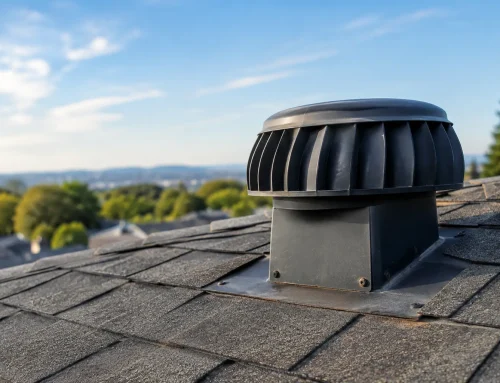
Commercial property owners should also pay attention to rooftop equipment areas, transitions, and drainage paths. Wind can create problems around penetrations and edges where water tends to gather once the system is compromised.
A key point here is that not every wind event causes repairable damage, and not every damaged roof needs full replacement. It depends on the age of the roof, how widespread the damage is, whether matching shingles are available, and whether the manufacturer seal has been broken across a large section.
What to do right after the storm
Start from the ground. Do not climb onto a wet or storm-damaged roof to inspect it yourself. Even a one-story roof can become dangerous quickly, especially when shingles are loose and footing is uncertain.
Walk the property and look for debris, downed limbs, and visible roof material on the ground. Take clear photos of anything you find, including any interior signs of leaking. If water is entering the home, move valuables out of the affected area and contain the leak if you can do so safely.
If there is active exposure, emergency tarping may be needed to prevent further water intrusion. That step matters because storm damage often gets worse from the next rain, and insurance carriers generally expect property owners to take reasonable steps to limit additional loss.
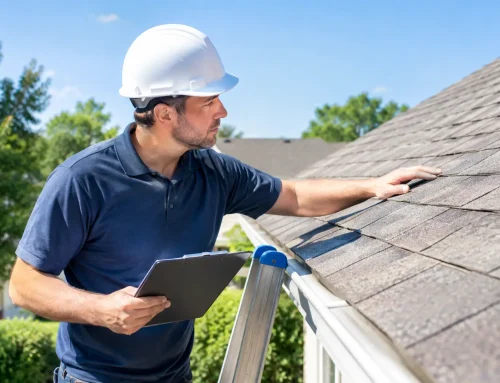
Then schedule a professional roof inspection as soon as possible. A prompt inspection gives you a clearer picture of whether the roof needs a targeted repair, a larger section repair, or documentation for an insurance claim.
Why professional inspection matters
Wind damage can be subtle, and subtle damage is where expensive mistakes happen. Homeowners sometimes wait because they do not see a leak yet. By the time stains show up inside, decking, underlayment, insulation, or drywall may already be affected.
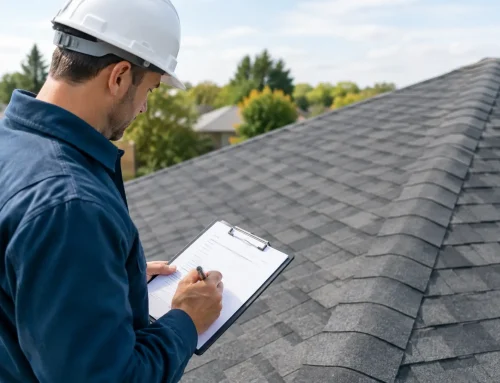
A proper inspection should document missing shingles, lifted tabs, creases, exposed fasteners, compromised flashing, and any related gutter or siding damage. Good documentation is especially valuable if you may be filing a claim. Photos, measurements, and written findings help establish the scope of loss more clearly than a verbal description after the fact.
This is also where an honest contractor makes a difference. Some roofs truly need a simple repair. Others have enough wind damage that patching one area will not restore the system properly. The right recommendation should be based on condition, not pressure.
Repair or replacement – how the decision gets made
This is the question most property owners ask first, and the answer depends on more than the number of shingles missing.
If the damage is limited to a small area and the surrounding shingles remain flexible and intact, a repair may be the right move. In that case, replacing the affected shingles, resealing where needed, and checking adjacent components can restore protection without major work.
If the roof is older, brittle, or damaged across multiple slopes, repair may not hold as well or may create matching problems. On some roofs, attempting to lift and replace one section can break nearby shingles because the material no longer flexes cleanly. In other cases, enough seals have failed that isolated repair does not address the broader issue.
Insurance can also affect the path forward. Depending on the policy and the documented damage, a claim may support partial or full replacement. That process is easier when the inspection is thorough and the damage is documented early.
The insurance side of wind damaged shingles repair
For many property owners, the repair itself is only half the stress. The insurance process can feel just as difficult, especially if you are trying to interpret policy language while dealing with active damage.
The first step is to document what happened and report the loss promptly if a claim appears warranted. Keep photos of exterior and interior damage, note the storm date, and save any emergency mitigation invoices. From there, a contractor with storm restoration experience can help identify the full scope of damage before the adjuster visit.
That support matters. If only the obvious missing shingles are discussed, secondary damage may get overlooked. A contractor who understands storm documentation can help present the condition of the roof clearly and professionally. That does not mean promising outcomes that cannot be guaranteed. It means making sure the inspection is accurate and the property owner is not left trying to explain technical damage alone.
Companies like Crown Exteriors LLC build much of their service around this part of the process because it reduces confusion and helps move repairs forward faster.
Why waiting usually costs more
A delayed roof repair rarely stays a roof-only problem. Water follows gravity, but it also travels sideways, so the stain you see inside may not be directly under the original damage. Small openings can lead to damaged decking, mold concerns, insulation loss, ceiling repairs, and even siding or fascia issues if water reaches the roof edge repeatedly.
There is also the chance that a second storm turns a manageable repair into a much larger project. Once shingles are lifted and unsealed, they are more vulnerable to the next wind event. What might have been a straightforward fix this week may become emergency mitigation next week.
That does not mean every roof needs immediate replacement after a storm. It means every potentially damaged roof deserves a timely inspection.
Choosing the right contractor for the job
When you need wind-related roof work, speed matters, but so does judgment. You want a licensed and insured contractor who can explain what they found in plain language, show you the documentation, and recommend repair or replacement based on evidence.
It also helps to choose a company that understands the full storm restoration process, not just shingle installation. If insurance is involved, that experience can save time and reduce back-and-forth. If insurance is not involved, a clear repair plan and honest pricing matter just as much.
Look for a contractor who checks more than the shingles. Flashing, vents, ridge caps, gutters, fascia, and siding may all be part of the same storm event. A narrow inspection can miss damage that affects long-term performance.
A practical next step for property owners
If your area recently had high winds, hail, or severe weather, do not rely on a ground-level guess. Even if the roof looks mostly normal, hidden wind damage can shorten its life and lead to leaks when you least expect them.
Schedule an inspection, get the condition documented, and ask direct questions about repair versus replacement, material matching, and claim support if needed. The right contractor should make the path forward feel clearer, not more complicated.
A good roof repair is not just about replacing what blew off. It is about restoring the roof system so your home or building is protected the next time the weather turns.
Related Posts
If you enjoyed reading this, then please explore our other articles below: