
A tree limb on the roof changes your priorities fast. What looked like a normal storm cleanup can turn into water intrusion, damaged decking, broken shingles, and a stressful insurance claim. If you need tree damage roof repair, the first goal is not a permanent fix on the spot. It is protecting the home, documenting the damage, and making sure the repair plan matches what actually happened above and below the roofline.
When a branch or full tree impacts a roof, the visible damage is only part of the story. You may see torn shingles or a hole in the roof, but the force of the impact can also crack decking, loosen flashing, damage gutters, and shift structural components. In some cases, attic insulation gets wet before interior ceiling stains ever show up. That is why a careful inspection matters, especially after high winds, hail, or saturated ground increase the chance of falling limbs.
What to do first after tree damage
Safety comes before cleanup. If a large limb is still resting on the roof, stay out of the affected area and do not try to remove it yourself. Tree weight can create unstable conditions, and moving it the wrong way can make the roof collapse further or increase interior damage.
If water is entering the property, move valuables away from the leak if you can do so safely. Take clear photos and videos from the ground, inside the home, and from any accessible area that does not put you at risk. This documentation can help support the repair scope and insurance claim later.
Then arrange emergency protection. Temporary tarping or sealing helps reduce additional water damage while the full inspection and claim process move forward. A fast response matters here. Delays can turn a repairable roofing issue into damaged drywall, flooring, framing, and insulation.
Why tree damage roof repair is rarely just a shingle fix
A lot of homeowners hope the issue is limited to a small patch. Sometimes it is. A minor limb strike may only damage a section of shingles and underlayment. But tree impact often creates hidden problems that are easy to miss without a trained inspection.
The roof covering may not show the full extent
Asphalt shingles can tear, crease, or lose granules on impact. Metal roofing can dent or separate at seams. Tile and slate can crack beyond the most obvious point of contact. Even when the roof surface looks manageable, the layers underneath may have taken the real hit.
Decking and support components can be compromised
Roof decking may split or soften from impact and moisture. Rafters and trusses can also shift, especially if a heavy limb lands with concentrated force. When that happens, the repair may involve more than replacing roofing materials. It may require structural correction before the new roof system is installed.
Gutters, flashing, and siding often get pulled into the repair
A falling branch rarely lands neatly. It can tear off gutters, bend drip edge, damage fascia, and scrape siding on the way down. That matters because a roof repair that ignores adjoining exterior damage can leave open paths for future leaks.
How a professional inspection helps
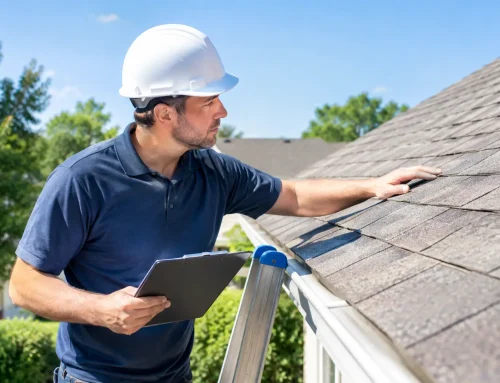
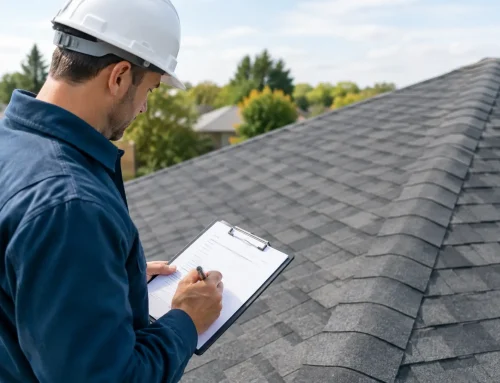
The best inspections after storm damage are thorough, documented, and practical. You need more than someone pointing at broken shingles. You need a clear picture of what was damaged, what can be repaired, and what should be replaced for long-term protection.
A qualified contractor should inspect the roof surface, flashing, gutters, roof penetrations, attic space when accessible, and interior signs of moisture. They should also document storm-related conditions with photos and notes that can be shared during the claims process if needed.
This is also where honesty matters. Not every tree strike means a full roof replacement. In some cases, a localized repair is the right recommendation. In other cases, the age of the roof, the extent of impact, and matching issues with existing shingles make replacement the smarter path. The right answer depends on the damage, not on a one-size-fits-all sales pitch.
Tree damage roof repair and the insurance claim process
For many property owners, the repair itself is only half the stress. The other half is figuring out insurance. Storm damage claims can move smoothly, but they can also become frustrating when damage is underdocumented or the scope misses key items.
In general, homeowners insurance may cover sudden accidental damage from a fallen tree or branch, especially when caused by wind, lightning, or another covered event. But coverage details vary by policy. Deductibles, exclusions, maintenance issues, and pre-existing wear can all affect the outcome.
That is why documentation is so important. Photos of the damage, notes about the date of loss, evidence of interior leaks, and a contractor inspection report can help support the claim. It also helps to have a contractor who understands how to present the full storm-related scope clearly when an adjuster reviews the property.
If the claim is approved, the estimate should reflect not only the obvious roofing materials but also related components damaged by the impact. That may include underlayment, flashing, gutters, vents, soffit, fascia, decking, and interior repairs where applicable. Missing those items early can lead to delays and supplemental requests later.
Repair or replacement – how the decision gets made
This is one of the most common questions after a tree strike, and the answer depends on a few real-world factors.
If damage is isolated, the roof is otherwise in good condition, and matching materials are available, a repair may be the most cost-effective solution. This is often true when a smaller limb damages one section without affecting structure.
If the roof is older, brittle, discontinued in color or style, or has broader storm damage beyond the impact area, replacement may make more sense. A patch on a worn roof can solve the immediate opening but still leave you with a system near the end of its life. In that situation, repairing only the visible damage may not be the best long-term value.
For commercial properties, the decision can get even more specific. Low-slope systems may need moisture scans, membrane testing, and a broader review of drainage performance after impact. The repair scope should protect both the building envelope and business continuity.
Timing matters more than most people think
Tree damage does not always cause an obvious active leak the same day. Sometimes water takes time to appear inside. That delay can create a false sense that the damage is minor, when moisture is actually working through underlayment, decking, or insulation.
Prompt service helps in two ways. First, it reduces secondary damage. Second, it creates a cleaner record of the loss for insurance purposes. Waiting too long can blur the line between storm damage and ongoing deterioration, and that can complicate claim conversations.
This is especially true in humid or storm-prone areas like Missouri, Illinois, and Florida, where another weather event can quickly worsen an already vulnerable roof.
Choosing the right contractor for tree damage roof repair
When the situation is urgent, it is tempting to hire the first company that answers the phone. Responsiveness matters, but so does experience with storm restoration and insurance support.
Look for a licensed and insured contractor who can provide emergency protection, complete a detailed inspection, explain the scope in plain language, and communicate clearly throughout the process. If insurance is involved, it helps to work with a team that understands how to document storm-related damage thoroughly and professionally.
You also want straightforward recommendations. A dependable contractor should tell you when a repair is enough, when replacement is warranted, and where the gray areas are. That kind of honesty protects your property and your budget.
At Crown Exteriors LLC, that customer-first approach is a major part of the job. The goal is not just to fix the roof. It is to help property owners protect the structure, reduce stress, and move through the restoration process with confidence.
When to call right away
Some signs mean you should not wait until the weekend or the next rainstorm passes. Call for immediate help if you see a puncture in the roof, sagging decking, active interior leaks, exposed underlayment, a branch still resting on the structure, or damaged gutters pulling away from the fascia. Those conditions can escalate quickly.
Even if the damage seems small from the ground, an inspection is still worth scheduling after any significant tree impact. Small openings have a way of becoming expensive repairs when water gets time to work.
A roof can often be restored successfully after storm-related tree damage, but the outcome depends on acting early, documenting carefully, and choosing a contractor who knows what to look for. A calm, informed response now can save you from a much larger problem later.
Related Posts
If you enjoyed reading this, then please explore our other articles below: