
A hot upstairs room, damp attic insulation, and shingles that seem to age too quickly can all point to the same overlooked issue: air is not moving through the attic as it should. This roof ventilation improvement guide explains what homeowners and property managers should look for, what upgrades may help, and when a professional roof inspection is the right next step.
Roof ventilation is not simply a comfort feature. It is part of the roof system that manages heat and moisture beneath the roof deck. When it is designed correctly, ventilation can help protect insulation, framing, shingles, and indoor comfort. When it is blocked, unbalanced, or damaged after a storm, the effects can build quietly until they become expensive repairs.
Why attic ventilation affects the whole roof
Your attic needs a path for fresh air to enter low on the roof and warmer air to leave near the peak. This is commonly called balanced intake and exhaust ventilation. Cooler outside air enters through intake vents, usually at the soffits or eaves. As heat rises, it exits through ridge vents, roof vents, or another properly selected exhaust system.
That airflow helps reduce extreme attic temperatures in summer. It also carries out moisture that can enter the attic from normal household activities such as cooking, showering, laundry, and heating. In colder climates, trapped moisture can condense on the underside of the roof deck. Over time, that may contribute to mold, wood deterioration, wet insulation, and staining.
Ventilation also matters after a roof replacement. New shingles and underlayment can provide excellent protection, but they cannot correct an attic that lacks adequate intake or exhaust. If a contractor replaces roofing materials without evaluating ventilation, the underlying issue may remain.
Signs your roof ventilation may need attention
Most ventilation problems do not announce themselves with a single dramatic failure. They show up as patterns. A professional inspection can determine the cause, but these warning signs deserve a closer look:
- The second floor feels significantly hotter than the rest of the home during warm weather.
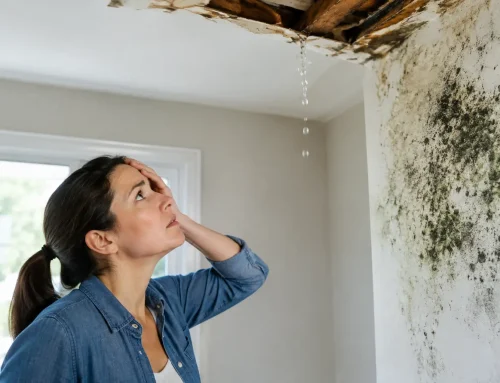
- Attic insulation looks damp, compressed, discolored, or moldy.
- The roof deck has dark stains, visible frost, or moisture droplets in winter.
- Shingles curl, blister, or appear to wear out earlier than expected.
- Ice dams form along the roof edge in snowy conditions.
- Soffit vents are painted over, blocked by insulation, or missing altogether.
Some of these issues can also be caused by air leaks from the living space, inadequate insulation, roof leaks, or HVAC concerns. That is why honest diagnosis matters. Adding more vents without identifying the source of the problem can create a costly change with little benefit.
Storm damage can disrupt ventilation
Wind, hail, falling branches, and heavy rain can affect more than shingles. Ridge vents can crack or lift. Roof vents can become loose, dented, or improperly sealed. Soffit and fascia areas may be damaged by wind-driven rain or debris. A storm inspection should include these components, especially if you notice a new attic odor, ceiling stain, or increased indoor humidity after severe weather.
For property owners handling an insurance claim, clear documentation is helpful. Photos and written findings can separate storm-related damage from pre-existing ventilation conditions, making the repair conversation more straightforward.
A practical roof ventilation improvement guide
The right solution depends on your roof shape, attic layout, climate, insulation level, and existing vent configuration. The goal is not to install every type of vent available. The goal is to create a balanced system that fits the building.
Start with intake at the eaves
Intake ventilation is frequently the missing half of the system. Soffit vents allow outside air to enter beneath the roof edge, but they only work when the pathway remains open. Insulation installed too tightly against the eaves can block airflow into the attic.
Baffles, also called rafter vents, help preserve that channel between the soffit and attic. They are particularly useful where insulation upgrades have crowded the eaves. If soffits are solid or have limited venting, a roofing professional can assess whether additional intake options are appropriate. The best approach depends on the home’s construction and exterior design.
Choose the right exhaust method
Ridge vents are often an effective exhaust option because they run along the roof peak and allow hot air to escape evenly. They tend to provide a clean appearance and work well when paired with adequate soffit intake. However, ridge vent installation must be done correctly, with compatible materials and proper opening dimensions.
Other homes use box vents, turbine vents, powered attic ventilators, or gable vents. Each has potential uses, but mixing exhaust types without a plan can interfere with natural airflow. For example, a powerful attic fan may pull conditioned air from the house through ceiling gaps instead of drawing fresh air from soffit vents. That can increase energy use and introduce more moisture into the attic.
A gable vent can be useful in certain roof designs, but it does not automatically replace low intake and high exhaust ventilation. The airflow pattern must be considered as a whole.
Seal air leaks before relying on ventilation
Ventilation removes moisture from the attic. It does not stop excessive moisture from entering it. Warm, humid air often escapes into the attic through gaps around recessed lights, plumbing penetrations, attic hatches, wiring openings, and ductwork.
Air sealing those openings, then maintaining proper insulation depth, can significantly reduce condensation risk. Bathroom and kitchen exhaust fans should also vent outdoors, not into the attic. If ducts are disconnected or terminate near an attic space, correcting them should be a priority.
Keep exhaust vents clear and weather-tight
Roof vents need regular inspection. Leaves, nests, paint, damaged screens, and debris can reduce airflow. Loose flashing or worn sealant around a roof vent can also become a leak point during heavy rain.
Avoid the temptation to cover roof vents because of concerns about drafts or pests. A qualified contractor can address damaged screens, improper flashing, or wind-driven rain issues without closing off needed ventilation.
Common mistakes that make ventilation worse
More ventilation is not always better. The most common mistake is adding exhaust vents while leaving intake restricted. Exhaust needs replacement air. Without it, the system may pull air from places it should not, including the conditioned living area.
Another mistake is combining multiple competing exhaust styles. Ridge vents, gable vents, box vents, and powered fans can create short-circuiting, where air enters through one high vent and exits through another rather than moving from the soffit through the attic. The attic may have plenty of openings but still have poor circulation.
Homeowners should also be cautious about cutting new openings into the roof. Every penetration requires correct placement, flashing, and sealing. An improperly installed vent can become a water intrusion risk, particularly in areas that experience high winds, hail, or wind-driven rain.
When to schedule a professional roof inspection
Call for an inspection if you see active leaking, wet insulation, visible mold, damaged roof vents, or sudden changes after a storm. It also makes sense to review ventilation before a planned roof replacement, attic insulation project, or solar installation. These projects affect the roof system, and coordinating the work can prevent unnecessary rework later.
During an evaluation, a qualified roofing professional should look at the roof exterior, attic conditions, intake openings, exhaust placement, insulation coverage, and signs of storm damage. The recommendation should explain what is present, what is missing, and why a particular improvement is being suggested.
Crown Exteriors LLC can inspect roofing and ventilation-related conditions as part of a broader roof assessment, including storm damage concerns. Property owners deserve clear findings and practical options, not pressure to add work that their roof does not need.
A healthier attic starts with an accurate diagnosis. If your home has hot upper rooms, musty attic air, aging shingles, or recent storm damage, have the roof system evaluated before a small ventilation concern turns into a larger repair.
Related Posts
If you enjoyed reading this, then please explore our other articles below: