
A roof can look fine from the driveway while the wood beneath the shingles is quietly breaking down. Knowing the signs of roof deck rot can help you catch a small leak before it turns into damaged ceilings, sagging roof lines, mold concerns, and a much larger repair bill.
Roof deck rot is not usually a sudden problem. It develops when moisture reaches the plywood or oriented strand board beneath your roofing materials and remains there long enough to weaken the wood. Storm damage, aging shingles, flashing failures, poor attic ventilation, and slow leaks around roof penetrations can all create the conditions for rot.
What Is Roof Deck Rot?
Your roof deck is the wood layer that supports the shingles, underlayment, and other roofing materials above it. It is the structural surface attached to the roof framing. When water gets past the outer roof system, the deck can absorb moisture and begin to soften, swell, delaminate, or decay.
Because the deck is hidden under shingles on one side and attic insulation on the other, damage is easy to miss early on. A stain on the ceiling may be the first obvious warning, but by that point, water may have traveled some distance from the actual entry point.
The good news is that roof deck rot can often be limited when it is found promptly. The right repair depends on the cause, the size of the affected area, the roof’s age, and whether the surrounding materials remain sound.
7 Signs of Roof Deck Rot You Should Watch For
1. A sagging or uneven roof line
Stand back from the street and look along the slopes and ridges of your roof. A healthy roof deck should create clean, consistent lines. A visible dip, wave, or low spot may mean the decking beneath that section has weakened.
Sagging does not always mean rot. It can also be related to framing movement, installation issues, or heavy snow loads. Still, it should be inspected quickly, especially if it appeared after a storm or has become more noticeable over time.
2. Soft spots underfoot
A soft or spongy feeling while walking on a roof can indicate moisture-damaged decking. This is a serious warning sign, but it is not a homeowner inspection method. Walking on a roof can damage shingles, cause a fall, or put your weight on already weakened materials.
If you suspect a soft area, arrange a professional roof inspection rather than trying to confirm it yourself. A trained roofing team can assess the area safely and determine whether the deck is compromised.
3. Ceiling stains, peeling paint, or bubbling drywall
Brown water stains, peeling paint near the ceiling, bubbling drywall, or damp spots around light fixtures can all point to a roof leak. The leak may be active, intermittent, or tied to wind-driven rain, which is why it can be difficult to identify based on one storm.
Water does not always drip directly below the damaged deck area. It can run along rafters, decking, insulation, or electrical pathways before becoming visible indoors. That makes a thorough inspection more useful than simply patching the spot where the stain appears.
4. Daylight or water in the attic
Your attic can reveal roof problems that are not visible from outside. On a clear day, look for pinpoints of daylight around roof penetrations, valleys, vents, chimneys, and damaged decking. During or shortly after rain, look for damp insulation, wet rafters, darkened wood, or active drips.
Do not disturb wet insulation or touch exposed electrical components. Take a few clear photos from a safe location if possible, then call for an inspection. Those photos may also help document storm-related damage for an insurance claim.
5. Dark, stained, or crumbly wood in the attic
Roof decking affected by long-term moisture may appear darker than the surrounding wood. You may also see swelling, layers separating, flaking material, or wood that looks soft and deteriorated around fasteners.
Not every dark mark means active rot. Some stains may be old, and surface discoloration can occur from humidity or past condensation. A roofing professional can check the wood’s condition, trace the source of moisture, and tell you whether the damage is active or stable.
6. Missing, lifted, or damaged shingles
Shingles are the first line of defense against rain and wind. Missing shingles, lifted edges, exposed nail heads, cracked tabs, damaged flashing, and loose ridge caps can allow water to reach the underlayment and roof deck.
After hail or high winds, these problems may be difficult to spot from the ground. Even a small opening can let repeated rainstorms work into the roof system. Fast repairs can prevent a localized exterior issue from becoming a decking replacement project.
7. Musty odors or recurring mold growth
A persistent musty smell in the attic, upper rooms, or closets near exterior walls can signal excess moisture. Mold growth on attic framing, insulation, or the underside of the deck is another reason to investigate promptly.
Mold does not automatically mean roof deck rot. In some homes, the source is poor attic ventilation, bathroom exhaust venting into the attic, or indoor humidity. However, moisture is the common problem, and the source needs to be corrected before repairs will last.
Why Roof Deck Rot Happens
Most deck rot starts with a failure in water management. Storm-blown shingles, hail damage, worn pipe boot flashing, chimney flashing gaps, damaged valleys, clogged gutters, and aging roof materials are common entry points. A roof that is near the end of its service life is more vulnerable because its protective layers have endured years of sun, rain, wind, and temperature changes.
Ventilation also matters. When warm, humid air becomes trapped in an attic, condensation can form on the underside of the roof deck. This often develops differently than a roof leak, but it can produce similar staining and wood deterioration. The correct solution may involve ventilation improvements, air sealing, exhaust vent corrections, and roof repairs rather than simply replacing shingles.
That distinction matters. Replacing visible roofing materials without correcting the moisture source can allow the damage to return.
What a Professional Inspection Should Determine
A useful roof inspection does more than identify a missing shingle. It should look for the path water is taking, the condition of the roof covering, vulnerable flashing and penetrations, attic moisture evidence, ventilation concerns, and the extent of any damaged decking.
If rot is found, the contractor should explain whether a targeted deck repair is appropriate or whether broader replacement is needed. Small areas of isolated damage can sometimes be repaired during a roof repair or replacement. Widespread deterioration, multiple leak points, or an aging roof may make a more comprehensive project the better long-term value.
For storm-related damage, documentation is especially valuable. Clear photos, inspection findings, and repair recommendations can help establish what was damaged and why. Insurance coverage depends on your policy, deductible, the cause of loss, and the adjuster’s findings, so no contractor should promise a particular claim outcome. But detailed documentation can make the process clearer and help you present the condition of the property accurately.
What to Do If You Suspect Rot
Start by protecting the home from additional water. If rain is entering the building, move belongings away from the affected area and use containers to catch drips only if it is safe to do so. Avoid climbing onto the roof or entering any area where the ceiling is bulging, wet, or structurally questionable.
Next, document visible damage with photos and note when it occurs. Does the leak happen only during heavy rain? Did it start after hail or strong winds? Is it near a chimney, skylight, vent, or valley? These details can help identify the source.
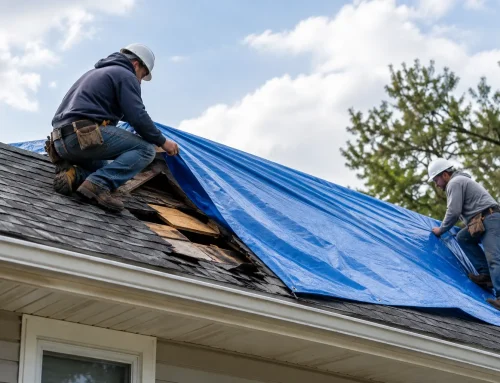
Then schedule a professional inspection. If there is active leaking after a storm, emergency tarping may be appropriate while a permanent repair plan is developed. Crown Exteriors can inspect the roof, explain the findings in plain language, and help property owners document storm damage for the insurance process when applicable.
Can You Prevent Roof Deck Rot?
Prevention comes down to keeping water out and moisture under control. Have the roof inspected after major storms and whenever you notice new interior staining, missing shingles, or changes in the roof line. Keep gutters and downspouts clear so water can drain away as designed, and address damaged flashing or exposed areas before the next heavy rain.
It also helps to check the attic periodically for damp insulation, musty odors, and visible condensation. If you are unsure what you are seeing, an inspection can separate a minor maintenance issue from a developing roof problem.
A sound roof deck is rarely something homeowners think about – until it is not sound. Acting when the first warning appears gives you more repair options, protects the rest of the home, and brings clarity at a time when storm damage can feel overwhelming.
Related Posts
If you enjoyed reading this, then please explore our other articles below: