
A roof can look perfectly sound from the street and still leak during a hard freeze. That is what makes ice dams so frustrating for homeowners. Learning how to prevent ice dam roof leaks starts with understanding that the visible ice at the roof edge is usually a symptom of heat escaping from inside the home.
An ice dam forms when snow melts on the warmer upper portion of a roof, then refreezes at the colder eaves. The growing ridge of ice traps melting water behind it. Instead of draining safely into the gutters, that water can work its way beneath shingles, into roof decking, and eventually onto ceilings, walls, insulation, and belongings.
Ice dams are common in Missouri, Illinois, and other cold-weather regions, particularly after repeated snow and freeze-thaw cycles. The good news is that many are preventable with the right combination of attic improvements, roof maintenance, and timely professional attention.
What Causes Ice Dams on a Roof?
Snow alone does not create an ice dam. The main cause is uneven roof temperature. When warm air from the living space reaches the attic or roof deck, it warms the upper roof enough to melt the snow sitting on it. As that meltwater runs downward, it reaches the unheated overhang, where temperatures are below freezing. The water refreezes and begins building a barrier of ice.
The more ice accumulates at the eaves, the harder it becomes for water to escape. A roof with poor attic insulation, air leaks around ceilings, blocked soffit vents, or inadequate ventilation is more likely to experience this pattern. Clogged gutters can make conditions worse, but gutters are rarely the only reason an ice dam forms.
Some roof designs are also more vulnerable. Low-slope sections, valleys, dormers, skylights, and areas where two roof planes meet can hold snow longer and concentrate runoff. That does not mean the roof was installed incorrectly. It means those areas need closer attention before and during winter weather.
How to Prevent Ice Dam Roof Leaks Before Winter
The best time to address ice dam risk is before the first heavy snowfall. A roof inspection can identify vulnerable shingles, exposed flashing, damaged seals, and drainage concerns, but the attic deserves equal attention. Preventing leaks requires controlling both water on the roof and heat inside the home.
Seal attic air leaks
Warm indoor air often enters the attic through gaps that homeowners never see. Common trouble spots include openings around plumbing vents, electrical wiring, recessed lights, attic hatches, bath fans, chimneys, and unsealed wall tops.
Air sealing these gaps helps keep heated air where it belongs: in the living space. It also reduces energy waste and limits the warm spots that melt snow unevenly. This work may involve insulation contractors, HVAC professionals, or a qualified roofing professional, depending on the location and condition of the attic.
Improve attic insulation
Insulation slows heat transfer from your home into the attic. If insulation is thin, compressed, wet, or unevenly installed, the roof deck may warm faster than it should. Adding or correcting insulation can make a meaningful difference, especially in older homes.
More insulation is not always the entire answer. If air leaks remain open below the insulation, warm air can still move into the attic. A proper assessment looks at air sealing and insulation together rather than treating either one as a stand-alone fix.
Keep attic ventilation working
A well-ventilated attic helps maintain a colder, more consistent roof temperature in winter. Fresh air typically enters through soffit vents near the roof edge and exits through ridge vents, roof vents, or gable vents higher on the roof.
Insulation should not block soffit vents. Baffles can preserve an airflow channel between the insulation and roof deck. Ventilation requirements vary by attic layout, roof design, and local building conditions, so a professional inspection is valuable when the home has persistent condensation, frost in the attic, or recurring ice dams.
Repair roof issues before snow arrives
Ice dams can force water beneath shingles, but pre-existing roof damage gives that water an easier path inside. Loose or missing shingles, deteriorated pipe boots, cracked flashing, worn seals around skylights, and damaged roof valleys should be repaired before winter weather sets in.
A professional roof inspection can distinguish between normal wear and a condition that needs prompt repair. Honest recommendations matter here. Not every roof needs replacement because it has ice at the eaves, but active leaks and compromised materials should not wait until spring.
Manage Snow and Gutters Safely
Snow removal can reduce the amount of water feeding an ice dam, but it must be done carefully. Pulling snow from the lower few feet of the roof with a roof rake can help after significant snowfall. Work from the ground whenever possible, use a rake designed for roofing, and avoid scraping shingles or striking gutters.
Never climb onto an icy roof or use a shovel, axe, hammer, or sharp tool to chip away ice. Those methods can damage shingles, puncture the roof surface, bend gutters, and create a serious fall hazard. They also tend to address the visible ice without solving the heat loss that caused it.
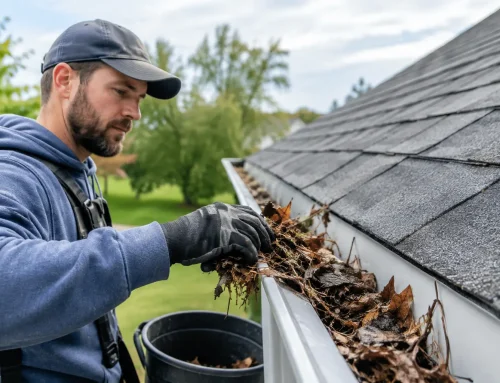
Gutters should be cleaned before winter so melting snow has a clear path away from the home. However, homeowners should not expect gutter cleaning alone to prevent ice dams. Heated gutter cables may help in limited situations, especially in stubborn drainage areas, but they are not a replacement for proper attic air sealing, insulation, and ventilation.
Signs an Ice Dam Is Already Causing a Leak
Not every roof-edge icicle means water is entering the home. Large or recurring ice buildup deserves attention, though, particularly when it appears alongside indoor warning signs.
Watch for water stains on ceilings or exterior walls, peeling paint near the roofline, wet attic insulation, damp framing, dripping around windows, or a musty odor in upper rooms. You may also notice ice-backed water pushing under shingles near valleys, skylights, or the bottom edge of the roof.
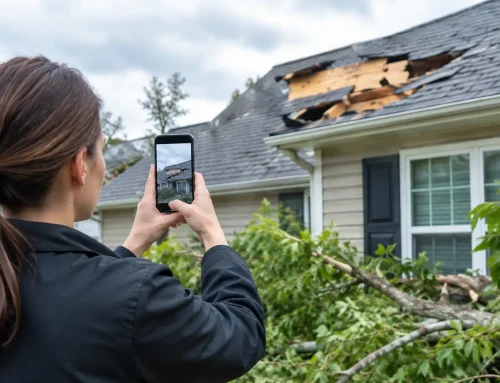
Act quickly if you see these signs. Move furniture and valuables away from the affected area, contain drips with buckets, and photograph visible damage. Avoid puncturing a ceiling that is bulging with water unless instructed by a qualified professional, since the amount of trapped water and the condition of the ceiling material can create a safety concern.
If the leak followed wind, hail, falling branches, or another storm event, document the date and conditions. Insurance coverage depends on the policy and cause of loss. Sudden storm damage may be treated differently than long-term wear, maintenance issues, or gradual deterioration. Clear photos and a professional inspection can help establish what happened.
When to Call a Roofing Professional
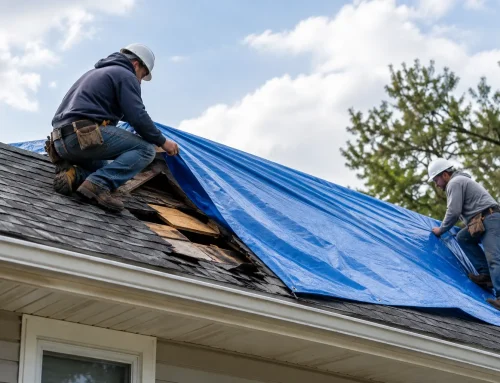
A professional should be involved when water has entered the home, ice dams keep returning each winter, shingles are lifting, or you cannot safely identify the source of the problem. Emergency tarping may be appropriate when storm damage has opened the roof to active weather, while temporary leak control can protect the interior until permanent repairs are possible.
An experienced contractor can inspect the roof surface, attic conditions, ventilation pathways, flashing, gutters, and interior evidence of moisture. That broader view is important because the point where water appears inside is not always the place where it entered the roof.
For storm-related roof damage, Crown Exteriors LLC can document visible conditions, explain practical repair options, and help property owners understand the next steps in an insurance claim. A clear inspection report helps reduce guesswork when you are trying to protect your home during difficult weather.
Preventing the Next Ice Dam Starts Below the Roof
The most reliable way to prevent ice dam roof leaks is to keep the roof cold and the water moving. That means stopping warm air from reaching the attic, maintaining effective insulation and ventilation, repairing roof vulnerabilities, and responding early when snow and ice begin to build.
If you have seen water stains, repeated ice buildup, or signs of roof damage, do not wait for the next thaw to reveal a larger problem. A timely roof and attic inspection can give you a clear path forward and help protect the home you count on all winter long.
Related Posts
If you enjoyed reading this, then please explore our other articles below: