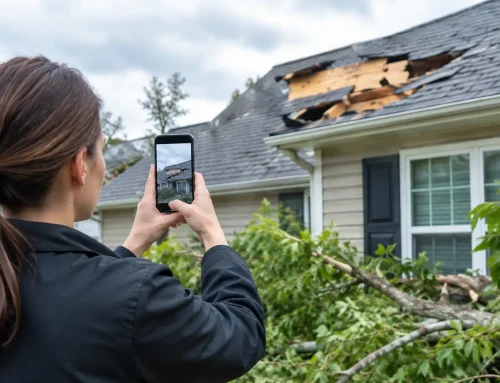

A windstorm can fill a clear gutter in minutes. Leaves, twigs, roofing granules, and broken branches collect at the downspouts, while damage higher on the roof may be harder to see from the ground. Knowing when to clean gutters after windstorm conditions is more than a cleanup task. It is an early opportunity to catch water-management problems and exterior damage before the next rainfall makes them worse.
For homeowners and property managers, the safest approach is to inspect first, clean only when conditions allow, and document anything that appears storm-related. A gutter packed with debris needs attention, but a ladder should never be the first response when a roof, fascia board, or nearby tree may also be damaged.
Start With a Ground-Level Storm Check
Before pulling out a ladder, walk the perimeter of the property. Look for limbs on the roof, bent or detached gutter sections, downspouts that have pulled away from the wall, and areas where water is already spilling over. If you see sagging gutters, loose soffit, exposed roof edges, missing shingles, or debris lodged near a power line, stop there. Those conditions call for a professional assessment rather than a do-it-yourself cleanup.
Pay attention to the ground as well. Fresh shingle granules may look like coarse black sand near downspout outlets or along the driveway. A small amount can be normal as a roof ages, but a noticeable concentration after a storm can point to shingle wear or impact damage. Pieces of flashing, siding, or gutter hangers should be photographed before they are moved.
This first look helps separate a straightforward debris cleanup from a larger storm restoration issue. It also creates a clear record of what happened immediately after the event, which can be useful if an insurance claim becomes necessary.
Wait Until It Is Actually Safe to Clean
Windstorms create risks that are easy to underestimate. A damp roof, saturated lawn, unstable ladder footing, or a loose branch overhead can turn a simple chore into an emergency. Wait until wind has settled, the roof and ground have had time to dry, and there is no lightning in the area.
Use a sturdy extension ladder on firm, level ground. The ladder should extend at least three feet above the gutter line when possible, and it should be secured rather than simply leaned into place. Never rest a ladder against a loose gutter. That can bend the gutter, damage its fasteners, and cause the ladder to shift.
Wear gloves, eye protection, and shoes with slip-resistant soles. If the home is two stories, the grade is uneven, or storm debris is heavy, professional service is usually the better trade-off. Saving time on cleanup is not worth a fall or damage to the roof edge.
How to Clean Gutters After a Windstorm
Once conditions are safe and the gutter system appears structurally sound, work in sections. Start near the downspout and remove large debris by hand with gloved hands or a small gutter scoop. Place material in a bucket instead of dropping it onto landscaping, where it can smother plants or create another cleanup job.
Do not force packed debris into the downspout opening. That often creates a blockage deeper in the pipe, where it is harder to reach. Clear the gutter channel first, then use a garden hose to rinse the remaining smaller material toward the outlet. A steady, moderate stream is usually enough. High pressure can drive water behind siding or reveal weak gutter seams the hard way.
After the gutter is clear, test each downspout. Water should move freely away from the foundation. If it backs up, remove the bottom elbow if accessible and flush the downspout from the top. For stubborn clogs, a plumber’s snake or a professional gutter cleaning service may be needed. Avoid using sharp tools that can puncture aluminum downspouts or damage seams.
Check the discharge point after flushing. A downspout that releases water too close to the house can contribute to foundation moisture, basement leaks, and erosion. Extensions should direct water away from the building without creating a trip hazard or sending runoff toward a neighbor’s property.
Look for Damage While the Gutters Are Clear
Cleaning gives you a better view of the system, but it should not become an excuse to walk on the roof. From the ladder or ground, inspect the gutter line for separation, uneven slope, pinholes, split seams, and fasteners that have pulled out of the fascia. Gutters should be firmly attached and pitched gently toward the downspouts so water does not stand in long sections.
Wind can also loosen fascia boards behind the gutter. Signs include a gutter that tilts outward, visible gaps at the roof edge, peeling paint, soft wood, or water stains on the exterior wall. If the fascia is compromised, reattaching the gutter alone may not solve the problem. The underlying wood may need repair before the system can be properly secured.
Look up at the roof edge for lifted shingles, exposed nails, damaged drip edge, or sections where debris appears to have scraped the surface. These issues can allow water behind the gutter and into the roof deck or wall assembly. They are especially worth documenting if the storm produced strong gusts, hail, or falling limbs.
Do Not Ignore Overflow After the Cleanup
A gutter can look clean and still fail during the next rain. That is why a water test matters. Run water through each section and watch for leaks at seams, overflow at corners, and slow drainage near the downspouts. If water pools instead of moving, the gutter may be improperly pitched, bent by storm debris, or clogged farther down than expected.
Overflow can also be caused by a roof issue rather than a gutter issue. Water may shoot past the gutter if shingles, drip edge, or gutter placement are not directing runoff correctly. On commercial buildings, flat or low-slope roof drainage can add another layer of complexity. Recurring overflow deserves an inspection, particularly if it began after a storm.
Document Storm Damage Before Repairs
Take clear photos of debris, detached components, visible roof damage, and any interior signs of water intrusion. Include wide shots that show the location on the property and closer images that show the condition. Keep notes about the date of the storm and when you first noticed the issue.
Avoid throwing away damaged materials until they have been documented. Also avoid making permanent repairs before the damage has been assessed, unless emergency action is needed to prevent further loss. Temporary measures may be appropriate, but they should be safe and carefully recorded.
Storm claims can involve more than the gutters themselves. Roof coverings, flashing, siding, soffit, fascia, and interior water damage may all be connected. A qualified storm damage inspection can identify the full scope, explain practical repair options, and provide the documentation needed for an informed conversation with an insurance adjuster.
When to Call a Storm Restoration Professional
Call for help when gutters are detached, the roof edge is damaged, limbs are on the roof, drainage remains blocked after flushing, or you see signs of leaking inside the property. The same applies if you are uncomfortable on a ladder or cannot safely inspect the full system.
Crown Exteriors can inspect storm-related roof and gutter concerns, document visible damage, and help property owners understand the next steps with their insurance claim. An honest inspection should tell you whether you need a repair, a larger restoration plan, or simply a safe cleanup and routine maintenance.
A clean gutter protects more than the roofline. It keeps water moving where it belongs, gives you a clearer view of storm damage, and helps you act before a small drainage issue becomes a costly repair.
Related Posts
If you enjoyed reading this, then please explore our other articles below: