
A roof can look perfectly normal from the driveway after a storm while a few loosened shingles are quietly creating the next leak. So, can wind lift shingles? Yes. Wind can break the seal between shingles, pull up their edges, loosen fasteners, or remove shingles completely. The damage may be isolated, but it deserves prompt attention before the next rain turns a small roofing issue into interior damage.
Can wind lift shingles without blowing them off?
Absolutely. Wind damage is not always a dramatic field of missing shingles. Strong gusts create pressure changes across a roof. As air moves over ridges, eaves, valleys, and roof edges, it can get beneath a shingle tab and pull upward. That force can break the adhesive seal that holds shingles together, especially on older roofs or roofs that have already experienced several storms.
Once a shingle is lifted, it may settle back into place and appear undamaged from the ground. However, the seal may no longer be secure. The next high-wind event can lift it again, bend it further, tear it, or pull it free. Lifted shingles also leave the roof more vulnerable to wind-driven rain.
The risk depends on more than wind speed. A roof’s age, shingle condition, installation quality, slope, surrounding trees, and exposure all matter. A home on an open lot or hill may experience more direct wind pressure than a home protected by nearby structures. Roof corners and perimeter areas are often the first places to show damage because wind forces are strongest there.
Why shingles lift during storms
Most asphalt shingles have a factory-applied adhesive strip that seals to the course above once it is activated by warm weather. Proper fastening also keeps each shingle secured to the roof deck. Wind can lift shingles when either layer of protection has weakened or was not properly established.
Age is a common factor. As shingles get older, they can become dry, brittle, and less able to flex under pressure. Their sealant strips may lose strength, allowing tabs to flutter during gusts. Repeated lifting can create creases, cracks, and exposed nail heads.
Installation details also matter. A shingle installed with too few nails, incorrectly placed nails, or nails that did not properly penetrate the roof deck is more likely to loosen. In colder weather, shingles may not seal as quickly after installation. That does not automatically mean the roof was installed incorrectly, but it can leave a newer roof more exposed until the adhesive strips have bonded.
Storm debris can add to the problem. A branch striking the roof may crack shingles or disturb the seal between courses. Hail can weaken the protective surface of shingles, making them more susceptible to future wind damage. If your roof has endured multiple storms, the visible damage from the most recent event may not tell the full story.
Signs wind may have lifted your shingles
You do not need to climb onto your roof to know something may be wrong. In fact, walking on a storm-damaged roof can be unsafe and may cause additional damage. A ground-level check and an attic inspection can reveal several warning signs.
Look for shingles that appear uneven, curled, displaced, creased, or darker than surrounding areas. A lifted tab can cast a small shadow, though this is often difficult to see from the ground. Missing shingles, exposed underlayment, loose ridge caps, and granules collecting in gutters or at downspout exits also deserve attention.
Inside the home, check ceilings, attic insulation, and the underside of the roof deck for water stains, dampness, or a musty odor. A roof leak does not always appear directly below the damaged shingle because water can travel along decking, rafters, or insulation before it becomes visible.
For commercial property owners, inspect parapet edges, rooftop penetrations, and drainage areas after severe weather. Flat and low-slope roofs can sustain wind-related membrane damage that looks different from shingle damage but requires the same quick response.
What not to do after spotting a problem
Avoid pulling on a loose shingle, applying caulk as a permanent fix, or nailing a tab down without understanding what is happening beneath it. Those actions can trap water, damage surrounding shingles, or complicate a later repair. If a tree limb is resting on the roof or water is actively entering the property, keep people away from the affected area and arrange for professional emergency protection.
What to do after high winds
Start by documenting what you can safely see. Take clear photos of missing or lifted shingles, debris, damaged gutters, fallen branches, and any interior water staining. Note the date of the storm and save weather alerts or local reports when available. This documentation can be useful if you need to file an insurance claim.
Next, arrange a professional roof inspection. A qualified inspector can check the areas that are unsafe or impossible to assess from the ground, including loosened seals, creased shingles, damaged flashing, exposed fasteners, and hidden impact damage. A thorough inspection should also include the attic when accessible, because moisture evidence inside the structure can help identify where the roof system has been compromised.
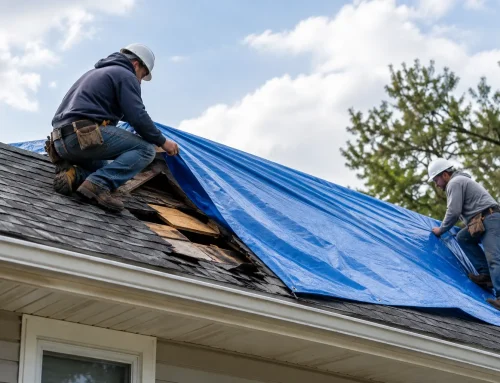
If water is entering the property, temporary tarping may be necessary to limit further damage. Emergency protection is not a replacement for repair, but it can protect your interior while the roof is being evaluated and the claim process moves forward.
Crown Exteriors LLC provides roof inspections and storm restoration support designed to give property owners clear answers. The goal is not to recommend a replacement for every lifted shingle. It is to identify the condition of the roof, document storm-related damage accurately, and explain the practical next step.
Can lifted shingles be repaired, or does the roof need replacement?
It depends on the extent and pattern of damage. A few recently lifted shingles on an otherwise healthy roof may be repairable if matching materials are available and the surrounding shingles remain in good condition. Replacing damaged shingles, securing affected areas, and addressing flashing issues can restore protection when the damage is limited.
Replacement may make more sense when wind damage is widespread, shingles are brittle, multiple areas have broken seals, or the roof is nearing the end of its service life. Repairing one section of an aged roof can sometimes lead to additional breakage as surrounding shingles are handled. There is also a color-match consideration: even the same shingle color can look different after years of weather exposure.
An honest assessment should account for the roof’s overall condition, not just the most obvious missing tab. It should also consider whether the scope of storm damage may qualify for insurance coverage. Coverage depends on your policy, deductible, exclusions, and the adjuster’s findings, so no contractor should promise an outcome before the claim is reviewed.
Protect your roof before the next storm
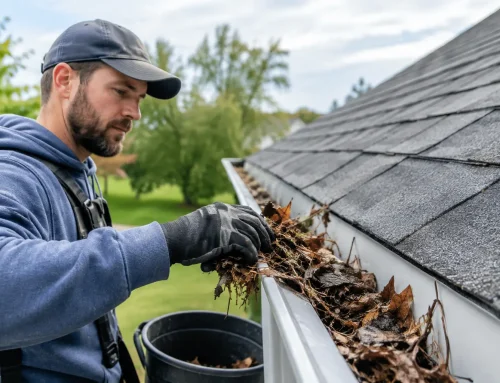
Regular maintenance cannot prevent every wind loss, but it can reduce avoidable vulnerabilities. Keep gutters clear so water can drain away properly, trim branches that overhang the roof, and address small roof issues before severe weather exposes them. After a major storm, schedule an inspection even if you do not see a leak right away.
When it is time for replacement, quality materials and proper installation matter. Correct nail placement, appropriate underlayment, secure flashing, and careful attention to roof edges all help a roofing system perform as intended. Manufacturer-backed warranties can add confidence, but they do not replace professional workmanship or routine inspection.
If a storm has passed through your neighborhood, do not wait for a ceiling stain to tell you there is a problem. A timely roof inspection can provide peace of mind when your roof is sound and a clear repair plan when it is not.
Related Posts
If you enjoyed reading this, then please explore our other articles below: