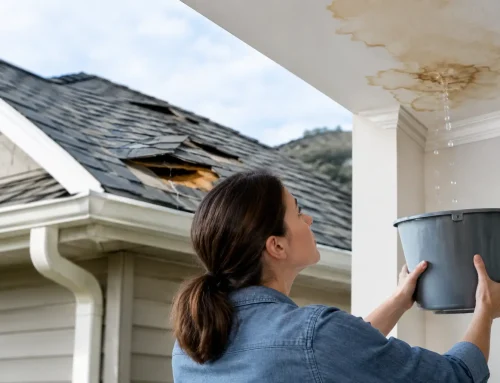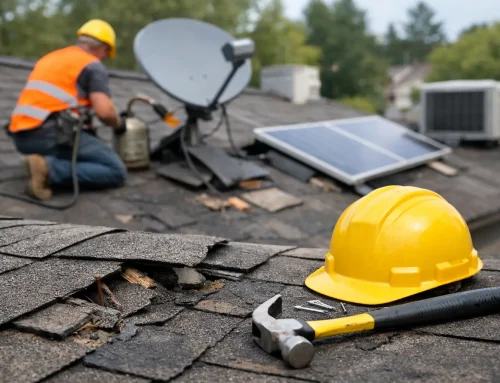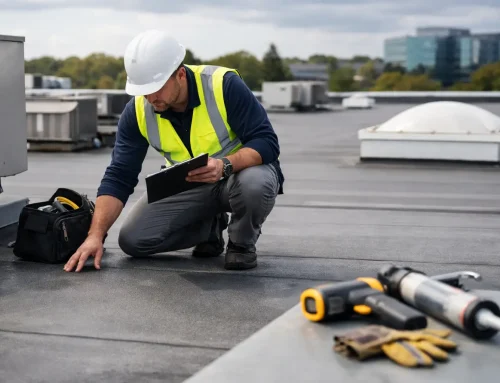

The first person who knocks on your door after a hailstorm is not always the right person to trust with your roof. A proper storm damage contractor review should go far beyond a quick quote or a promise to handle everything. When your home or commercial property has been hit by wind, hail, or heavy rain, the real question is whether the contractor can protect your property, document the damage correctly, and help you move through repairs without creating a second problem.
That matters because storm restoration is not the same as ordinary remodeling. Timing is tighter, insurance documentation matters more, and hidden damage can easily get missed if the inspection is rushed. The right contractor helps reduce stress. The wrong one can leave you with claim delays, incomplete repairs, or warranty headaches months later.
What a storm damage contractor review should actually cover
Most property owners start by checking online ratings. That is a good first step, but it is not enough on its own. Storm work involves emergency response, exterior expertise, insurance communication, and jobsite management. A contractor can have positive reviews and still be the wrong fit if they are hard to reach, vague about scope, or unfamiliar with the claims process.
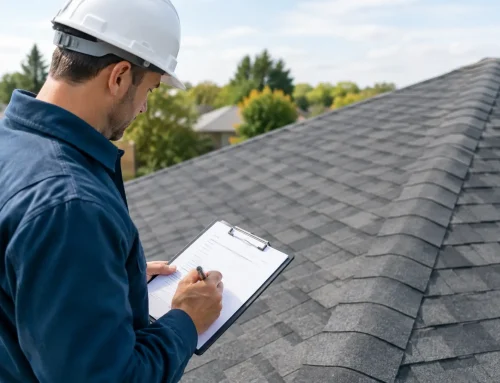
A useful review looks at how the company performs before, during, and after the build. Did they respond quickly after the storm? Did they inspect the full exterior, including gutters, siding, flashing, and soft metals, or only glance at shingles from the driveway? Did they explain what was damaged in plain language? Did they provide clear photo documentation? Those details tell you much more than a five-star rating without context.
You should also pay attention to whether the company acts like a restoration partner or just a salesperson. Storm repair often requires more coordination than people expect. If the contractor can meet with the insurance adjuster, support documentation, and keep the project moving once approval comes through, that can save days or even weeks of frustration.
Storm damage contractor review: the signs of a reliable company
A strong contractor review usually starts with licensing, insurance, and local credibility. Those basics are not glamorous, but they matter. You want a company that is properly insured, experienced in your region, and accountable after the storm-chasing crews move on.
Local reputation carries weight here. A contractor working in Missouri, Illinois, or Florida should understand the weather patterns, common roofing systems, and local code requirements in those areas. They should also have a track record your neighbors can speak to. Reviews from nearby homeowners and property managers tend to be more useful than generic testimonials because they reflect actual storm conditions and service expectations in your market.
Clear communication is another major sign. Reliable contractors do not hide behind vague language like “we’ll take care of it” without explaining what that means. They walk you through the inspection findings, talk honestly about repair versus replacement, and set expectations around timeline, materials, and claim-related steps. If a contractor becomes hard to reach before you sign, that usually does not improve once work begins.
Documentation is where many reviews should be more critical. The best storm restoration companies take thorough photos, note collateral damage, and create a clear scope of work. That protects both the property owner and the insurance process. If damage is not documented correctly at the beginning, it becomes harder to support later.
Why insurance-claim support matters in a contractor review
Many property owners think the roofing work is the whole job. After a storm, it often is not. Insurance paperwork, adjuster meetings, supplement requests, and scope alignment can shape the outcome just as much as the actual installation.
That is why any serious storm damage contractor review should ask how the company handles claims support. This does not mean the contractor should make unrealistic promises about coverage. It means they should know how to document storm damage properly, communicate professionally with adjusters, and help you understand where the claim stands.
A contractor with real insurance-claim experience can spot gaps between observed damage and the initial scope. They can also explain what is repairable, what may require replacement, and where code-related items may come into play. That kind of guidance helps property owners make informed decisions instead of guessing their way through a stressful process.
There is a balance, though. You want support, not pressure. Be careful with any company that guarantees claim approval or pushes you to sign before you understand the scope. A trustworthy contractor supports the process with facts, not hype.
How to read reviews without getting misled
Online reviews are helpful, but they need context. A company with hundreds of reviews may be excellent, or it may simply be aggressive about collecting feedback at one specific stage of the job. Instead of focusing only on the star rating, read for patterns.
Do multiple customers mention fast inspection response, honest recommendations, clean job sites, and strong communication with insurance adjusters? That is meaningful. Do you see repeated complaints about missed appointments, surprise charges, or difficulty getting follow-up service? That matters just as much.
It also helps to notice what kind of work reviewers are talking about. A contractor may be highly rated for retail roof replacements but have fewer reviews that mention storm restoration or claim assistance. Those are related services, but they are not identical. If your need is storm-related, prioritize companies that are reviewed specifically for that type of work.
Look for detail. The most useful reviews mention what happened, how the contractor responded, and whether the final result matched expectations. A short comment that says “great job” is nice, but it does not tell you much about project management, workmanship, or problem-solving.
Questions worth asking before you sign
A good review process is not passive. It should include direct questions. Ask who will perform the inspection and whether they will document all exterior damage, not just the roof. Ask whether the contractor will meet with the adjuster if needed. Ask how they handle supplements, cleanup, and final walkthroughs.
You should also ask who is managing the project day to day. In storm season, some companies sell quickly and then hand the work off with very little communication. Others have a clear internal process from inspection through completion. That difference can have a big impact on timing and accountability.
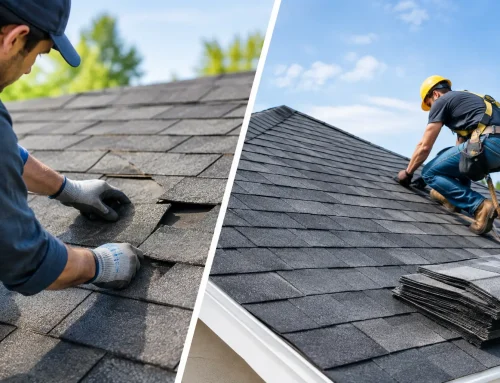
Material quality deserves attention too. A lower estimate is not always a better value if it cuts corners on underlayment, ventilation components, flashing, or warranty-backed systems. A dependable contractor should explain material options clearly, including trade-offs in price, durability, and appearance.
If color selection is part of the project, the contractor should be able to guide that decision in a practical way. Storm restoration is about protection first, but curb appeal still matters. The right company helps you choose materials and colors that fit your property without turning the conversation into a sales pitch.
Red flags that should end the review immediately
Some warning signs are obvious. Others show up in the fine print. Be cautious if the contractor asks for large upfront payments, avoids providing proof of insurance, or pressures you to sign on the spot. That kind of urgency usually serves the contractor, not the property owner.
Another red flag is a shallow inspection. Storm damage is not always visible from the ground, and not all damage is dramatic. Bruised shingles, lifted tabs, compromised flashing, gutter impacts, and siding damage can all affect the scope. If the inspection feels rushed, the rest of the process may be too.
You should also be wary of companies that speak confidently but explain very little. Professionalism is not just sounding experienced. It is showing your work, answering questions directly, and being honest when a situation depends on claim findings, product availability, or local code requirements.
For many homeowners and property managers, the best fit is a contractor who combines emergency responsiveness with disciplined follow-through. That is especially true when the project involves tarping, temporary protection, or coordination with insurance timelines. One thoughtful inspection and a clear conversation can tell you more than ten flashy ads.
If you are comparing companies after a storm, slow the process down just enough to ask better questions. A dependable contractor should help you feel more informed, not more pressured. And when a company treats your property, your claim, and your time with respect, that is usually the review that matters most.
Related Posts
If you enjoyed reading this, then please explore our other articles below: