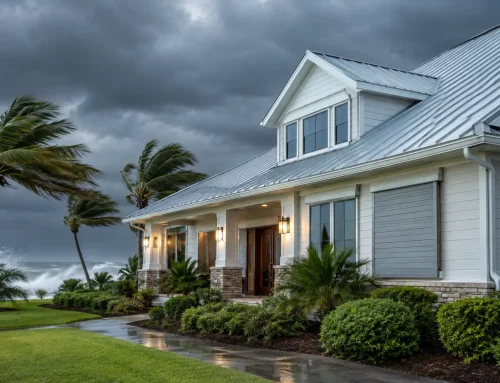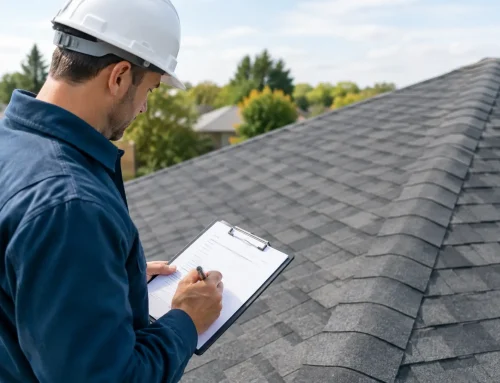

A roof can take a beating long before you notice a leak. One windstorm, a stretch of hail, or even a few missing shingles can leave your home exposed without obvious signs from the ground. If you have been searching for a free roof inspection near me, you are probably not looking for a sales pitch. You want clear answers, honest recommendations, and a contractor who can tell you whether your roof is truly in good shape.
That is exactly how a roof inspection should work. It should reduce stress, not add to it.
Why a free roof inspection near me matters
Most property owners do not climb on their roofs, and they should not have to. Storm damage is often subtle at first. Granule loss, lifted shingles, cracked seals, flashing damage, and soft spots can be easy to miss until water starts getting inside. By that point, the repair is often larger and more expensive.
A professional inspection gives you a clearer picture of your roof’s condition before the damage spreads. That matters after severe weather, but it also matters if your roof is aging, your insurance company has raised questions, or you are preparing to sell or maintain a property. In many cases, homeowners are surprised to learn that what looked minor from the driveway was enough to justify repairs or a claim.
There is also a practical reason people look for a no-cost inspection locally. Speed matters. When a nearby contractor can respond quickly, document damage, and explain the next step in plain language, you are in a better position to protect the property and avoid delays.
What a good roof inspection should include
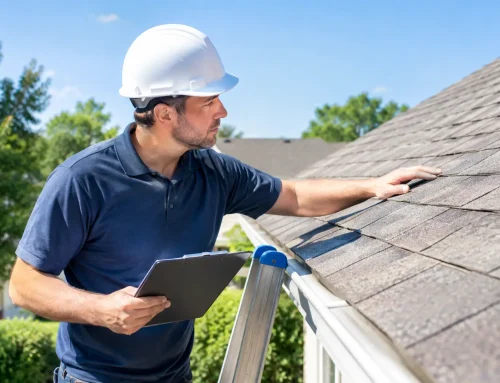
Not all inspections are equal. A real inspection should go beyond a quick glance and a generic estimate. A dependable contractor should examine the visible roofing system, look for signs of storm impact, and note any issues that could lead to leaks or structural concerns.
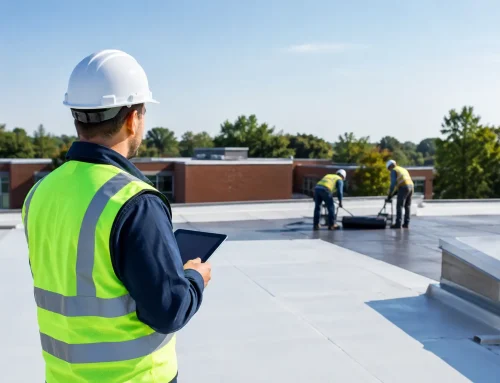
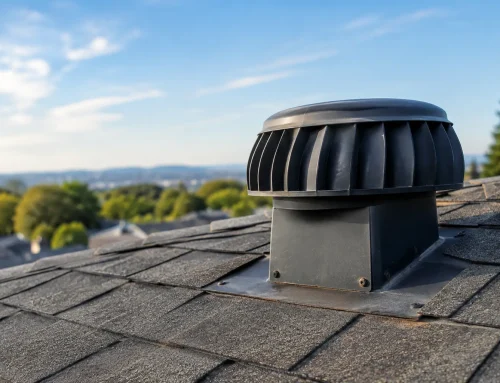
For an asphalt shingle roof, that often means checking for missing, creased, bruised, or lifted shingles, granule loss, exposed nail heads, and problems around valleys, vents, chimneys, and flashing. On commercial or low-slope systems, the inspection may focus more on membrane damage, punctures, drainage issues, seam failure, and flashing integrity.
A thorough inspection should also consider related exterior components. Gutters, siding, soffit, fascia, and downspouts can all show signs of storm impact. Sometimes that exterior evidence helps tell the full story of what happened on the roof.
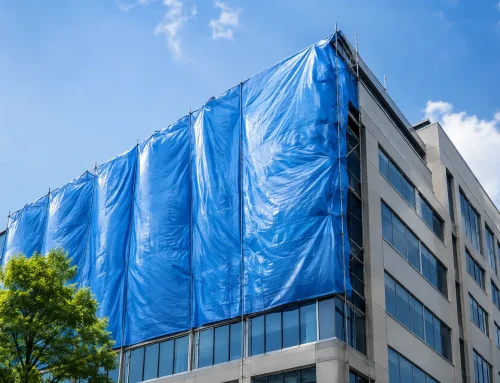
If there is active damage, the next step should be explained clearly. That may mean a repair, emergency tarping, monitoring the issue, or discussing whether the damage appears insurance-related. Honest contractors do not force every inspection into a full replacement recommendation. Sometimes a repair really is the right answer. It depends on the age of the roof, the extent of the damage, and whether the system is still serviceable.
When to schedule an inspection
The right time is usually sooner than people think. If your area has had hail, strong winds, fallen limbs, or heavy rain, it is smart to schedule an inspection even if you do not see interior leaks yet. Waiting can make documentation harder and give hidden damage more time to worsen.
You should also consider an inspection if you notice shingles in the yard, dark spots on ceilings, water stains in the attic, sagging gutters, or pieces of flashing that look loose. Commercial property owners may notice ponding water, seam separation, or unusual wear around rooftop units.
Age is another factor. An older roof may still be functional, but it is less forgiving after a storm. A small issue on a newer system might be repaired easily. The same issue on a roof near the end of its life may point to broader replacement needs.
If you are buying property, selling, or planning major exterior work, an inspection can help you avoid surprises. It gives you a better sense of timing, budget, and whether the roof needs attention before other improvements move forward.
What to expect during a free roof inspection near me search
When you start comparing local contractors, look for more than the word free. Cost matters, but trust matters more. You want a licensed and insured company that knows your region’s weather patterns, responds promptly, and has a reputation for honest assessments.
A good local inspection process is usually straightforward. You contact the company, describe any concerns, and schedule a visit. The inspector reviews the roof and exterior, documents visible conditions, and explains what was found. If storm damage appears likely, the contractor may also help you understand whether an insurance claim is worth pursuing.
That support can make a real difference. Many homeowners feel comfortable with the roofing side but overwhelmed by the claims side. The paperwork, photos, adjuster meetings, and repair scope can feel like a second job. Working with an experienced restoration contractor can take a lot of that pressure off. Crown Exteriors LLC, for example, is built around that kind of hands-on support, helping property owners move from inspection to documentation to repair with less confusion.
How to tell if the inspection is honest
A trustworthy inspection feels clear, not rushed. The findings should make sense, and the contractor should be willing to show photos, explain terminology, and answer direct questions. If the roof has damage, they should be able to point to it. If the roof is in decent shape, they should say that too.
Be cautious if someone insists on a full replacement before performing a proper inspection, pressures you to sign immediately, or avoids giving specific reasons for their recommendation. The same goes for contractors who treat every storm as a guaranteed insurance payout. Not every roof qualifies for a claim, and promising that upfront is not a sign of integrity.
An honest contractor will talk through the trade-offs. A repair may be enough if the damage is isolated and the roof still has useful life left. A replacement may be more practical if repairs would be repetitive, if matching materials is a problem, or if the storm damage is widespread. Good advice is based on the roof in front of them, not a one-size-fits-all sales script.
Insurance questions often come up
For many property owners, the real reason behind the search for a free inspection is uncertainty about storm damage and insurance coverage. That is understandable. Most people do not file claims often, and the process can be stressful.
A knowledgeable roofing contractor can help you understand what appears to be storm-related and what may fall under normal wear and tear. That distinction matters. Insurance carriers typically want clear documentation of damage from a covered event, not just an old roof that needs replacement.
If the damage does appear claim-worthy, timing and documentation become important. Photos, inspection notes, and an organized explanation of the affected areas can help support the process. Some contractors will also meet with the adjuster to review the damage on site. That can help reduce miscommunication and make sure important details are not overlooked.
Still, it depends on your policy, the age of the roof, the cause of loss, and the insurer’s findings. No reputable contractor should guarantee claim approval. What they should do is help you understand the condition of the roof and guide you through the process with transparency.
Local experience makes a difference
Roofing is not just roofing. Hail patterns in Missouri, wind events in Illinois, and storm exposure in Florida create different damage profiles and different restoration needs. A contractor who works in your region is more likely to recognize how local weather affects shingles, flashing, gutters, and underlayment over time.
That local experience also tends to show up in practical ways. Response times are usually better. Crews are familiar with regional code requirements. Material recommendations are more grounded in real conditions. And when a contractor relies on neighborhood reputation, they have more reason to stand behind the work.
This is one reason a nearby inspection is worth prioritizing over a random national call center. You are not just looking for someone to check a box. You are looking for a company that can inspect thoroughly, communicate clearly, and still be there if repairs, replacement, or claim support are needed afterward.
If you suspect damage or simply want peace of mind after a storm, scheduling an inspection is a simple step that can prevent a much larger problem later. The right contractor will not make the situation feel more complicated. They will help you understand what your roof needs, what can wait, and what should happen next.
Related Posts
If you enjoyed reading this, then please explore our other articles below: