
A hailstorm can be over in fifteen minutes and leave behind damage that takes months to show up inside your home. That is why knowing how to spot roof hail damage matters. The sooner you catch it, the better your chances of preventing leaks, documenting the loss properly, and avoiding bigger repair costs later.
The tricky part is that hail damage is not always obvious from the ground. Some roofs show clear signs right away, while others look fine until shingles start aging faster, granules wash into the gutters, or a small leak appears after the next storm. If you are a homeowner or property manager trying to figure out whether your roof took a hit, it helps to know what damage looks like, what it does not look like, and when it is time to call for a professional inspection.
How to spot roof hail damage from the ground
Start with what you can see safely from around the property. You do not need to climb onto the roof to notice that a storm may have caused damage.
Look first at the soft metal components. Dents on gutters, downspouts, gutter screens, roof vents, flashing, metal fascia, and mailbox tops are often one of the earliest clues that hail was strong enough to affect the roof. If those surfaces show fresh impact marks, there is a good chance the shingles or other roofing material were hit too.
Next, check for granules collecting in downspouts or at the end of gutter runs. Asphalt shingles are coated with granules that protect them from UV exposure and weathering. After hail, those granules may loosen and begin washing off. A little granule loss can be part of normal roof aging, especially on an older roof. What raises concern is sudden, concentrated loss after a storm.
Window screens, siding, deck furniture, fence stain, and air conditioning fins can also tell part of the story. If hail left visible marks on those surfaces, your roof deserves a closer look.
What hail damage looks like on shingles
If you can view the roof from a ladder at the eave without stepping onto it, or if you have clear sightlines from an upper window, look for irregular dark spots or areas that seem bruised. Hail impacts on asphalt shingles often knock away granules in random patterns rather than neat lines. The damaged spots may appear darker because the asphalt layer underneath is exposed.
Another common sign is bruising. A bruised shingle can feel soft or spongy where the hail struck it. This is not something most property owners should test themselves on the roof, but it is one reason a trained inspection matters. A shingle can still be physically attached and look mostly intact while the impact has weakened it enough to shorten its life.
You may also see small circular cracks, broken shingle edges, or impact marks that look like someone tapped the roof with a hammer. On architectural shingles, damage can be harder to spot because the surface is textured and layered. On older three-tab shingles, impacts may be easier to identify, but age can also make normal wear look worse than it is.
That is where experience matters. Not every dark spot is hail, and not every granule change means an insurance-covered loss.
How to spot roof hail damage on other roofing materials
Asphalt shingles get most of the attention, but hail can damage other roofing systems too.
Metal roofing may show dents or dings, and whether that is considered cosmetic or functional damage depends on the system and the severity of impact. Clay or concrete tiles can crack. Wood shakes may split. Flat and low-slope roofs can develop punctures, membrane damage, or impact areas around seams and rooftop units.
Commercial properties need an especially careful review because rooftop equipment, drains, flashing details, and membrane conditions all affect whether the damage is minor or a source of future leaks. A roof can remain watertight right after the storm and still have hidden issues that show up later.
Signs inside the property that point to hail damage
Sometimes the first warning sign is not on the roof at all. It shows up inside.
Water stains on ceilings, damp insulation in the attic, peeling paint near roof lines, or moisture around vents and chimneys can all point to storm-related roof damage. These symptoms do not prove hail by themselves. Wind-driven rain, flashing problems, and older roof wear can produce similar signs. But if they appear soon after a hailstorm, they should not be ignored.
For commercial buildings, pay attention to ceiling tile discoloration, musty odors, wet insulation, and water intrusion around penetrations. Small leaks often start quietly and spread before anyone notices.
Common mistakes when checking for hail damage
One of the biggest mistakes is waiting for an active leak. By the time water gets inside, the damage may already be more extensive. Another common issue is assuming that if your neighbor got a roof replacement, your roof must have the same condition. Storm paths are rarely that uniform. Hail size, wind direction, roof age, slope, and surrounding trees can all change the outcome from one property to the next.
It is also easy to confuse hail damage with blistering, foot traffic, manufacturing defects, or normal shingle aging. A roof with years of wear may have granule loss and cracking that are not storm-related. On the other hand, a newer roof may have subtle hail bruising that is easy to overlook unless someone knows what to document.
And of course, the biggest safety mistake is climbing onto a roof after a storm. Wet surfaces, loose shingles, and hidden damage create real fall risks. If you are not trained and equipped for roof access, a ground-level check is enough for your part.
When a professional inspection makes sense
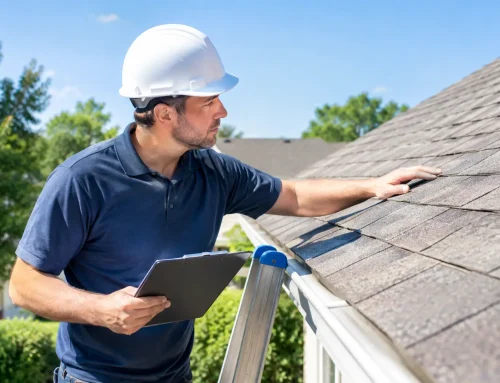
If your area had confirmed hail, if you see dents on metal surfaces, or if your roof is older and more vulnerable, it is smart to schedule a professional inspection. The goal is not to assume the worst. The goal is to get clear answers while the storm event is still recent and the evidence is easier to document.
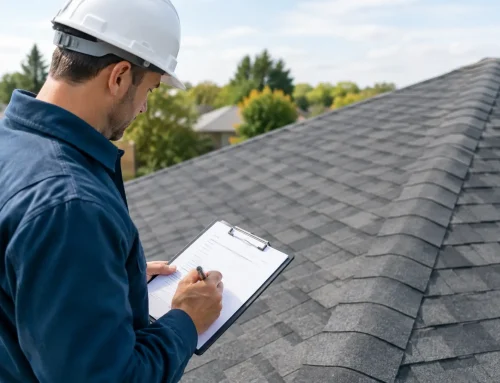
A proper inspection should go beyond a quick glance. It should include a full assessment of the roofing system, related exterior components, photos of any impact damage, and an honest explanation of whether the roof needs monitoring, repair, or replacement. That distinction matters. Not every hail event justifies a full roof replacement, and a trustworthy contractor should say so.
If there is a strong likelihood of an insurance claim, documentation becomes even more important. Photos, test squares when appropriate, notes on collateral damage, and a clear record of storm-related conditions can make the claims process smoother and reduce back-and-forth later.
How to handle the insurance side after hail
If you believe hail affected your roof, check your policy and report the loss within the required timeframe. Insurance carriers will usually send an adjuster to inspect the property. Before that happens, it helps to have your own contractor inspection completed so you understand the condition of the roof and can ask informed questions.
This is where many property owners feel overwhelmed. The language is technical, the timing matters, and it is hard to know whether damage is being fully identified. Working with an experienced restoration contractor can take a lot of that pressure off. A company that understands storm documentation and adjuster conversations can help keep the process organized and moving.
At Crown Exteriors LLC, that hands-on support is a big part of how we help property owners after severe weather. The inspection is only the first step. Clear documentation and guidance through the claim process can be just as valuable.
How to spot roof hail damage early enough to prevent bigger problems
The best time to check for hail damage is shortly after the storm, once conditions are safe. Do not wait for the next rain to tell you something is wrong. Even if the roof is not leaking now, impact damage can shorten shingle life, weaken protective surfaces, and make the roof more vulnerable during the next round of wind or heavy rain.
If your property took hail recently, take a few photos from the ground, note the date of the storm, and pay attention to changes around gutters, downspouts, and soft metals. Then arrange a professional inspection if anything looks off or if the storm was strong enough to raise concern.
A little uncertainty is normal after severe weather. What matters is getting the right set of eyes on the roof before a manageable issue turns into interior damage, claim delays, or a repair that costs more than it should.
Related Posts
If you enjoyed reading this, then please explore our other articles below: