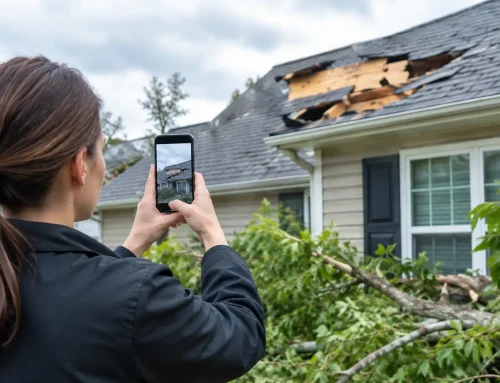

A windstorm does not need to remove an entire roof to create a serious property problem. One lifted shingle, a loose flashing detail, or a clogged gutter can let water reach places it does not belong. By the time a ceiling stain appears, the damage may have already spread beneath the surface. Storm resilient construction is about reducing those weak points before severe weather has the opportunity to expose them.
For homeowners, commercial property owners, and managers, that does not always mean rebuilding an entire exterior. It means making informed decisions about materials, installation details, maintenance, and repairs based on the weather risks your property actually faces. Hail, high wind, heavy rain, hurricanes, ice, and intense heat do not affect every building in the same way.
What Storm Resilient Construction Really Means
Storm resilience is the ability of a building exterior to resist damage, shed water effectively, and recover more easily after a weather event. The roof is central to that effort, but it is not the only component. Siding, gutters, soffit, fascia, flashing, windows, and drainage all work together to protect the structure.
A quality roof system, for example, is more than shingles. It includes proper decking condition, underlayment, starter materials, flashing at vulnerable transitions, ventilation, fasteners, and edge protection. If one part is poorly installed or already damaged, the whole system becomes more vulnerable when wind-driven rain arrives.
The right approach depends on your region and property. A Florida property may need greater attention to wind resistance and water intrusion. In Missouri and Illinois, hail, straight-line winds, freeze-thaw cycles, and heavy rainfall can create a different mix of concerns. A commercial low-slope roof also requires a different strategy than a steep-slope residential roof.
Start With the Exterior You Have
The most practical time to improve storm resistance is often during a repair, replacement, or planned maintenance visit. Waiting until a major storm hits can turn a manageable project into an emergency response.
Start with a professional inspection that looks beyond what is visible from the ground. A thorough inspection should assess shingle condition, exposed fasteners, flashing, roof penetrations, valleys, ridge areas, gutters, downspouts, siding, and signs of moisture intrusion. It should also identify prior repairs that may not be holding up as intended.
Property owners should be cautious about assuming a roof is fine because it is not leaking yet. Hail bruising, lifted shingles, granule loss, cracked seals, and damaged flashing may not create an immediate interior leak. They can still shorten the roof’s service life and leave it more exposed during the next storm.
If storm damage is found, documentation matters. Clear photos, measurements, notes on damaged materials, and a record of interior or exterior impacts can support a more accurate insurance claim. Crown Exteriors LLC helps property owners document damage and communicate clearly with adjusters so they are not left trying to interpret roofing details alone.
Build a Roof System, Not Just a New Roof
When replacement is necessary, material selection matters, but installation quality matters just as much. A premium shingle cannot perform as intended if the roof deck is compromised, flashing is incomplete, or fastening does not meet manufacturer requirements and local code.
Pay attention to wind-rated materials
Wind-rated shingles and properly installed starter strips help secure the roof’s perimeter, where wind uplift is often most aggressive. Correct nailing patterns, compatible accessories, and sealed shingle courses are essential. For properties in hurricane-prone areas, local code requirements may call for specific wind-resistance measures that should not be treated as optional upgrades.
That said, the highest wind rating is not automatically the best fit for every property. Budget, roof pitch, local weather history, neighborhood requirements, and insurance considerations all factor into the decision. A trusted contractor should explain the options plainly rather than push one product for every home.
Do not overlook flashing and roof edges
Most roof leaks begin at transitions, not in the middle of an open shingle field. Chimneys, walls, skylights, vents, valleys, and pipe penetrations need correctly installed flashing to direct water away from the structure.
Roof edges deserve close attention as well. Wind can catch weak or poorly secured edge materials, allowing water to work underneath the roof covering. Proper drip edge installation helps move water into the gutter system and protects the roof deck along the perimeter.
Protect the deck from water intrusion
Underlayment provides another line of defense if wind-driven rain gets past the outer roof covering. The best option depends on roof design, climate, code requirements, and the roofing material being installed. In vulnerable areas such as valleys, eaves, and low-slope transitions, enhanced water protection can be especially worthwhile.
Siding, Gutters, and Drainage Carry Their Share
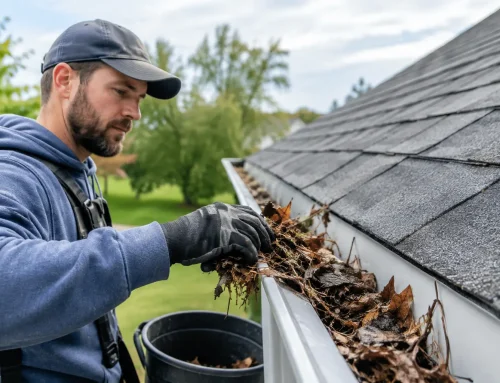
A storm-ready exterior cannot rely on the roof alone. Water needs a controlled path off the roof, into gutters, through downspouts, and away from the foundation. When gutters overflow because of debris, poor pitch, damaged sections, or undersized downspouts, water can affect fascia, siding, landscaping, basements, and crawl spaces.
After a storm, check for detached gutters, dented sections, loose downspouts, and water pooling near the foundation. These may look like minor exterior issues, but they can contribute to more expensive repairs if ignored.
Siding should also be inspected for cracks, loose panels, missing pieces, impact marks, and gaps around trim. Wind-driven rain can enter behind damaged siding, while hail can compromise its appearance and protective function. Replacing isolated damaged areas may be appropriate in some cases. In others, widespread storm damage or discontinued materials may make a broader solution more practical.
Maintenance Is Part of Storm Resilience
Even the best-installed exterior needs periodic attention. Seasonal checks give property owners a chance to address small issues before they become claim-sized losses. You do not need to climb onto your roof to be proactive. From the ground, look for visible shingle damage, sagging gutters, loose siding, blocked downspouts, damaged soffit, or debris buildup.
After significant wind or hail, arrange an inspection even if the property appears normal. Storm damage is often difficult to identify without a close evaluation, and waiting too long can complicate repairs or insurance reporting. Keep records of major storm dates, photos of your property before and after the event, prior inspection reports, and invoices for completed work.
For commercial properties, scheduled roof maintenance is particularly valuable. Large roof areas, drains, penetrations, rooftop equipment, and foot traffic create more opportunities for small failures to develop. A maintenance plan can help management teams budget intelligently and reduce surprise disruptions.
When Storm Damage Happens, Move With Purpose
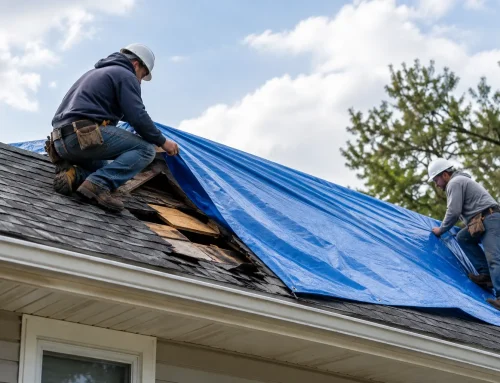
Storm resilience also means knowing what to do after an event. If you see active leaking, missing roofing materials, fallen branches, exposed decking, or a compromised opening, take reasonable steps to limit further damage. Move valuables away from leaks, document visible conditions with photos, and contact a qualified contractor for emergency protection if needed.
Avoid making permanent repairs before your insurance carrier has had an opportunity to review the damage unless immediate work is needed to prevent additional loss. Emergency tarping or temporary protection can be necessary, but good documentation should accompany every step. Be wary of anyone who promises to waive deductibles or pressures you to sign paperwork before explaining the scope of work.
A professional restoration partner can inspect the property, identify storm-related damage, provide clear recommendations, and help you understand the next steps in the claim process. You should receive honest guidance, whether the right answer is a targeted repair, maintenance work, or full replacement.
Make Improvements Before the Forecast Forces the Issue
The best time to address loose flashing, aging shingles, failing gutters, or storm-worn siding is before the next severe-weather alert. A free inspection can give you a clear picture of your exterior’s condition and help you prioritize work that protects your property, your budget, and your peace of mind.
Weather will always be unpredictable. Your response to known weak points does not have to be.
Related Posts
If you enjoyed reading this, then please explore our other articles below: