
A hailstorm can last only a few minutes, yet the damage it leaves behind may threaten your property for months. Hail damage is not always obvious from the ground, especially on a roof. A few dark marks, missing granules, bent gutters, or cracked siding can be early signs that water has a path into your home or building.
The first priority is not guessing whether you need a new roof. It is protecting the property, documenting what happened, and getting a qualified inspection before minor storm damage becomes an expensive leak. A clear process also puts you in a stronger position if you decide to file an insurance claim.
Start Safe and Document the Storm
After the storm passes, take a careful look from the ground. Do not climb onto the roof or use a ladder if conditions are wet, windy, or unstable. Roof damage can be difficult to spot, and walking on impacted shingles can cause additional harm or put you at risk.
Take photos of the date-sensitive evidence you can safely see. Capture hailstones if any remain, including a photo beside a coin or tape measure to show their size. Photograph damaged screens, window trim, siding, gutters, downspouts, outdoor equipment, and roof debris around the property. If a neighbor has visible damage, that may also help establish that the storm affected your area, but your claim will still be based on the condition of your own property.
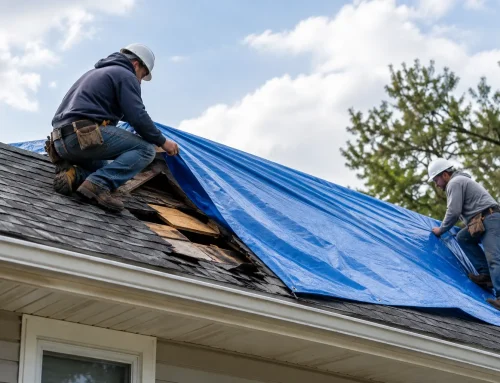
If you see an active leak, water stains spreading across a ceiling, loose materials, or a tree branch on the roof, act promptly. Move belongings away from the affected area, collect dripping water in containers, and contact a storm restoration professional for emergency protection. Temporary tarping can prevent further interior damage while the roof is assessed.
Where Hail Damage Often Shows Up
Hail does not strike every surface evenly. Wind direction, roof slope, nearby trees, and the size and density of the hail all influence the outcome. One side of a roof may have significant impact damage while another looks nearly untouched.
Roofing
On asphalt shingles, hail impact may appear as small, random dark spots where protective granules have been knocked loose. A trained inspector may also find bruising, fractured shingle mats, cracked shingles, damaged ridge caps, or exposed fiberglass. These marks can be subtle. What looks like normal wear to an untrained eye may be storm damage that shortens the roof’s useful life.
Metal roofing can show dents or impact marks. Tile, slate, and other specialty systems may crack, chip, or shift. Each material needs to be evaluated differently, which is one reason a thorough inspection matters more than a quick glance from the driveway.
Gutters, Flashing, and Vent Covers
Dented gutters and downspouts are among the easiest signs to spot after a hailstorm. They do not always mean the roof is damaged, but they can support the timeline and severity of a storm event. Look for dings in metal flashing, roof vents, exhaust caps, chimney covers, and soft metal components.
Damage to gutters also affects drainage. A dented or loosened gutter can hold water, pull away from the fascia, or direct runoff where it does not belong. Over time, that can contribute to wood rot, foundation moisture issues, and landscape erosion.
Siding, Windows, and Exterior Features
Vinyl siding can crack, chip, or develop punctures. Aluminum siding may dent. Painted wood surfaces can lose their protective coating, leaving areas vulnerable to moisture. Hail can also damage window screens, shutters, trim, skylights, outdoor light fixtures, fences, and air-conditioning units.
Check windows closely, but do not assume visible glass damage is the only concern. Damaged seals, frames, screens, or surrounding trim can create future problems even when the glass remains intact.
Why a Professional Inspection Is Worth It
A roof inspection should do more than identify obvious dents. It should evaluate the roofing system, roof penetrations, flashing, gutters, siding, and other impacted exterior components. The goal is to determine whether there is functional damage, not to pressure you into work you do not need.
This is where experience makes a difference. Hail damage can resemble blistering, mechanical scuffs, manufacturing defects, ordinary weathering, or old repairs. A knowledgeable contractor can distinguish between these conditions, explain what was found in plain language, and provide photo documentation for your records.
Crown Exteriors LLC approaches storm restoration with that larger picture in mind. A proper assessment includes the damage itself, the steps needed to protect the property, and the documentation that can help support an insurance claim when covered damage is present.
When to Contact Your Insurance Company
If an inspection identifies storm-related damage, review your policy and contact your insurance carrier as soon as practical. Many policies have deadlines for reporting a loss, and waiting too long can complicate the process. Your contractor can help you organize photos, inspection notes, and measurements, but the policyholder is responsible for initiating the claim and making final coverage decisions with the insurer.
Be ready to provide the date of the storm, a description of what you noticed, and any photos you collected. Ask about your deductible, claim timeline, and whether the carrier will send an adjuster to inspect the property. Keep a record of claim numbers, names, emails, and conversations.
It helps to understand the distinction between an estimate and insurance coverage. A contractor can prepare a detailed scope of needed repairs based on visible conditions and local building requirements. The insurance company determines what the policy covers. If the adjuster’s scope misses documented damage or required components, additional information may need to be submitted for review.
Do not sign away control of your claim or agree to vague paperwork at the door. Choose a licensed, insured contractor with a local reputation, clear communication, and a written scope of work. Storms often bring out-of-town crews that may be difficult to reach after the work is complete.
Avoid Small Mistakes That Create Bigger Problems
Property owners sometimes wait because they do not see a leak. That is understandable, but hail-related roof damage may not leak immediately. Granule loss and fractured shingles can weaken the roof over time, leaving it more vulnerable during the next heavy rain or wind event.
Another common mistake is making temporary repairs without documentation. Emergency action is appropriate when water is entering the building, but take photos before and after any temporary measure when possible. Save receipts for emergency services and materials. Your insurer may request them as part of the claim review.
It is also wise to avoid authorizing permanent repairs before the insurance inspection unless a contractor has explained the urgency and the work is necessary to prevent further damage. In many situations, the adjuster should have an opportunity to see the affected areas in their original condition.
Repair or Replacement: What Determines the Right Answer?
Not every hailstorm leads to a full roof replacement. The right solution depends on the age and condition of the roof, the type and extent of impact damage, whether matching materials are available, local code requirements, and the terms of your insurance policy.
A limited repair may make sense when damage is isolated and the surrounding roof is in good condition. Replacement may be the more practical option when hail has affected multiple slopes, compromised the roof system broadly, or exposed existing age-related weaknesses. The same principle applies to siding and gutters: the best recommendation should match the actual damage, not a one-size-fits-all sales pitch.
A dependable contractor will explain the trade-offs. You should know what work is recommended, why it is recommended, what materials will be used, how long the project should take, and how the property will be protected and cleaned during construction.
Take the Next Step Before the Evidence Fades
Storm damage is easier to address when the event is recent, photos are available, and the affected surfaces can be inspected clearly. Schedule a professional inspection if your neighborhood experienced hail, even if your roof looks fine from the ground. A straightforward assessment can give you peace of mind, identify needed repairs early, and help you make a confident decision about your property.
Related Posts
If you enjoyed reading this, then please explore our other articles below: