
The first few hours after a hailstorm or wind event can shape the entire insurance process. Most roof storm claim mistakes do not happen because a property owner is careless. They happen because damage is easy to miss, paperwork feels confusing, and too many people wait until a small problem turns into a much bigger one.
If your roof, siding, gutters, or other exterior surfaces may have been hit, the goal is simple – protect the property, document what happened, and avoid choices that can weaken your claim or delay repairs. A good claim starts with good information and steady follow-through.
Why roof storm claim mistakes cost more than people expect
A storm claim is not just about getting a check. It is about proving storm-related damage, showing the current condition of the property, and moving quickly enough to prevent avoidable secondary issues. When that process breaks down, homeowners and property managers can end up paying out of pocket for damage they assumed would be covered.
Sometimes the problem is timing. Sometimes it is poor documentation. In other cases, people trust the wrong contractor or make repairs in the wrong order. Insurance carriers look closely at the facts, and even legitimate claims can become harder than they need to be when the early steps are handled poorly.
1. Waiting too long to schedule an inspection
This is one of the most common roof storm claim mistakes. After a storm, many owners do a quick glance from the driveway and assume everything looks fine. But hail bruising, lifted shingles, punctures, flashing damage, and granule loss are often not visible from the ground.
Waiting can also create a second problem. The longer roof damage sits, the easier it is for leaks, decking issues, insulation damage, or interior staining to develop. Once that happens, the insurance conversation may shift from storm damage to maintenance, wear and tear, or preventable loss. That is not a position you want to be in.
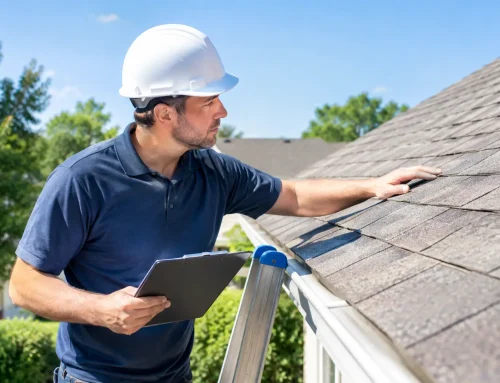
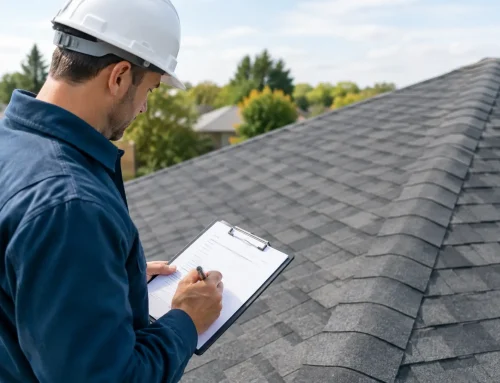
A prompt professional inspection gives you a documented starting point. Even if the roof ends up needing only minor repairs, you have a record of what was found and when.
2. Failing to document the storm and the damage
Memory is not documentation. If you suspect storm damage, keep a simple record from day one. Save the date of the storm, note what you observed, take photos of visible issues, and keep any communication related to the event.
This matters because claims often depend on details. Missing shingles, dented gutters, damaged soft metals, torn screens, fallen limbs, interior water spots, and emergency tarping can all help tell the full story. The stronger the documentation, the easier it is to show that the damage is real and connected to a specific event.
You do not need to become a roofing expert overnight. You do need to preserve evidence before weather, cleanup, or temporary repairs erase it.
3. Making permanent repairs before the claim is reviewed
Property owners should act quickly to prevent further damage. That part is true. But there is a difference between emergency protection and full permanent repair.
Emergency tarping, drying out wet areas, and taking reasonable steps to stop active water intrusion are usually necessary. Replacing large sections of the roof before the insurance company or a qualified restoration contractor has documented the damage can make the claim harder to support. If key evidence is gone, the adjuster has less to inspect.
It depends on the severity of the situation. If the property is exposed and immediate work is required for safety, document everything first if you can. Photos, videos, material samples, invoices, and notes can make a major difference later.
4. Assuming the adjuster will find every issue
Insurance adjusters play an important role, but they are not there for unlimited time and they do not always catch every detail during one visit. Roof systems are complex, and storm damage may affect shingles, underlayment, flashing, vents, gutters, siding, fascia, and interior areas.
That is why it helps to have a knowledgeable contractor involved early. A thorough inspection can identify damage that might otherwise be overlooked and provide a clearer picture of the scope. This is especially important on larger homes, steep roofs, commercial buildings, or properties with older roofing systems where storm effects can present differently.
A claim tends to move more smoothly when the damage is clearly documented and professionally explained.
5. Choosing a contractor based only on the lowest bid
Price matters. So does what is actually included. After a storm, low bids can be tempting, especially when the property owner is already worried about deductibles, timelines, and disruption. But a cheap estimate can leave out necessary items, use lower-grade materials, or skip steps that protect the roof long term.
The bigger issue is claim experience. Storm restoration is not the same as basic retail roofing. Your contractor should understand how to document damage, communicate scope clearly, and help keep the process organized without making promises no one can guarantee.
A dependable contractor should be licensed and insured, clear about workmanship, and honest about what the property needs. If someone pressures you to sign immediately, offers vague explanations, or avoids questions about materials and warranty coverage, that is a red flag.
6. Not understanding what the policy actually covers
A lot of frustration starts here. Many property owners assume every part of storm-related repair will be covered automatically. In reality, policies vary. Deductibles vary. Depreciation, exclusions, code requirements, and endorsements can all affect the final outcome.
That does not mean you need to read the policy like an attorney. It does mean you should understand the basics before making assumptions about cost. Ask questions. Confirm your deductible. Review whether actual cash value or replacement cost applies. Find out if there are time limits for reporting damage or completing repairs.
When expectations are realistic, decisions are better. When expectations are based on guesswork, the process feels more stressful than it needs to be.
7. Ignoring related exterior damage
Roof damage rarely happens alone. Hail and wind can also affect gutters, downspouts, siding, window screens, fascia, soffit, flashing, vents, and other exterior components. If you only focus on the roof, the claim may miss part of the loss.
This is one reason a full exterior inspection matters. Matching issues, functional damage, and code-related concerns can all come into play depending on the age and condition of the materials. In some cases, what looks like a minor gutter dent is useful evidence of a broader storm impact across the property.
A complete inspection gives you a more accurate claim picture and helps avoid piecemeal repairs that leave the property looking uneven or performing poorly.
8. Throwing away paperwork and photos
Storm claims generate more paperwork than most people expect. Inspection notes, claim numbers, adjuster emails, estimates, invoices, supplements, repair approvals, and photos should all be kept in one place.
This does not need to be complicated. A single digital folder and a simple paper file can do the job. The key is consistency. If questions come up later about what was approved, what was completed, or what was paid, organized records save time and prevent confusion.
This is especially helpful for commercial property managers and owners handling multiple buildings or units. When communication is centralized, delays are easier to avoid.
9. Missing follow-up items after the initial claim decision
An initial claim decision is not always the final word on scope. Sometimes additional damage is found during the repair process. Sometimes code items or hidden components are not visible until work begins. Sometimes line items are simply incomplete.
That is where follow-through matters. If legitimate storm-related items were missed, they may need to be documented and submitted for review. This part of the process requires accuracy and professionalism. It is not about inflating the claim. It is about making sure necessary work is properly supported.
Experienced insurance claim specialists help keep this stage organized so property owners are not left trying to sort out technical details on their own.
10. Treating the claim like a paperwork issue instead of a property protection issue
This may be the most costly mistake of all. A storm claim is not just a form to file and forget. It is a repair and restoration process that affects the safety, value, and long-term condition of your property.
When owners focus only on the claim number or payout amount, they can lose sight of workmanship, ventilation, material quality, flashing details, and cleanup standards. The best outcome is not just claim approval. It is a properly restored exterior with documentation, quality installation, and confidence that the property is protected.
How to avoid roof storm claim mistakes from the start
The smartest approach is usually the simplest one. Schedule a professional inspection soon after the storm. Document visible conditions before cleanup changes the scene. Take temporary protective measures if needed, but avoid rushing into full repairs without proper review. Keep records organized, and work with a contractor who understands both restoration work and insurance coordination.
For many property owners, that support is what lowers stress the most. A company like Crown Exteriors LLC can inspect the damage, document the loss, meet with the adjuster, and help guide the process from start to finish. That kind of hands-on support is valuable because storm restoration moves faster and cleaner when everyone is working from the same facts.
Storm damage is stressful enough without preventable setbacks. If something about your roof does not look right after severe weather, trust that instinct, get it checked, and give yourself the best chance at a fair and timely result.
Related Posts
If you enjoyed reading this, then please explore our other articles below: