
A storm rolls through at night, and by morning you find missing shingles, water stains, or debris scattered across the yard. One of the first questions most property owners ask is simple: how long does a roof insurance claim take? The honest answer is usually anywhere from a few weeks to a couple of months, but the real timeline depends on the damage, your insurance carrier, the quality of the documentation, and how quickly each step gets handled.
If that feels vague, it is because roof claims are not all built the same. A straightforward hail claim with clear damage and quick adjuster availability can move fast. A claim with interior leaks, disputed storm dates, limited policy coverage, or delayed paperwork can take much longer. Knowing what happens at each stage can help you avoid preventable slowdowns and make better decisions from day one.
How long does a roof insurance claim take from start to finish?
In many cases, a roof insurance claim takes about 2 to 8 weeks from the day you file to the day you receive claim approval or payment details. If the damage is severe, the carrier is handling a surge of storm claims, or supplemental items are needed later, the process can stretch beyond that.
There is also a difference between claim approval and project completion. Even after an insurer approves the claim, your roof still has to be scheduled, materials have to be delivered, and weather has to cooperate. For some property owners, the insurance portion moves faster than construction. For others, especially after major regional storms, contractor demand and adjuster backlogs can slow everything down.
That is why it helps to think of the claim in phases instead of waiting for one final date.
The typical roof claim timeline
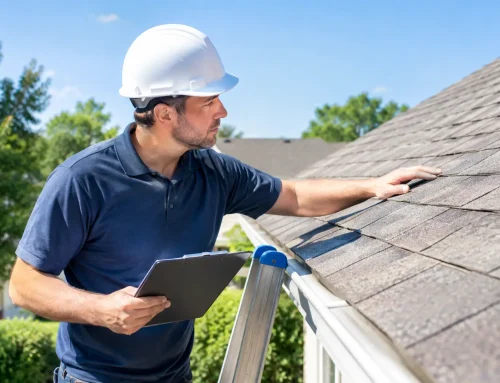
The first phase is damage discovery and documentation. Once you notice roof damage, you should act quickly. Take photos if it is safe, protect the property from further damage if needed, and schedule a professional roof inspection. This part can happen in a day or two if you move quickly.
The second phase is filing the claim. After you contact your insurance company, they open a claim and assign an adjuster. In normal conditions, that contact may happen within a few days. After a major storm event, it can take longer because carriers are managing high claim volume across the area.
The third phase is the adjuster inspection. This is often where the timeline starts to vary. An adjuster may be available within a few days, or you may wait one to two weeks, sometimes longer during peak storm season. If your contractor is present during the inspection and has already documented the damage thoroughly, that can help keep the process organized and reduce confusion.
The fourth phase is claim review and decision. Once the inspection is complete, the insurance company reviews the findings, checks your policy, and decides what is covered. Some decisions come quickly. Others take more time, especially if the insurer needs more photos, repair history, weather date verification, or additional measurements.
The fifth phase is estimate approval, payment, and any supplements. In many roof claims, the first payment is issued after approval, often for the actual cash value. The remaining funds may be released after work is completed, depending on your policy. If hidden damage is found during the replacement, a supplement may need to be submitted, which can add more time.
What can make a roof insurance claim move faster?
Clear storm-related damage is one of the biggest factors. When hail hits a roof and leaves visible, well-documented impact marks, the path is often more straightforward than a claim involving older wear, repair history, or questionable cause of loss.
Good documentation also matters. Photos, notes about when the damage occurred, interior leak evidence, and a professional inspection report can help support your claim early. If the insurer has what it needs upfront, there is less back-and-forth.
Fast communication helps more than many homeowners realize. Claims often stall because someone misses a call, delays sending documents, or waits too long to schedule the inspection. Responding quickly keeps your file active.
Working with a contractor who understands insurance claims can also help. A roofing company that knows how to document damage, meet with adjusters, and explain the scope clearly can reduce avoidable delays. That does not mean every claim gets approved faster just because a contractor is involved, but it often means fewer details are missed.
What delays a roof insurance claim?
The most common delay is volume. After a hailstorm or hurricane, insurance carriers can be flooded with claims. Even a well-documented roof claim may sit in line longer than usual simply because adjusters are spread thin.
Coverage questions are another major issue. If the insurer believes the damage came from wear and tear, improper installation, lack of maintenance, or an older unrepaired issue instead of a covered storm event, the review can slow down quickly. This is especially common when damage is not obvious from the ground or when the roof already had prior deterioration.
Incomplete paperwork also causes trouble. Missing photos, unclear inspection findings, or inconsistent dates can send a claim back for more review. The same goes for missed appointments or slow responses from the property owner.
There can also be delays after approval. Material shortages, weather conditions, permit requirements, HOA rules, and contractor scheduling can all affect when the actual roof work begins.
How long does a roof insurance claim take after the adjuster inspection?
After the adjuster inspection, many property owners hear back within a few days to two weeks. That is a common range, not a guarantee. Some carriers issue decisions quickly, while others take longer depending on staffing, storm volume, internal review procedures, and whether more information is needed.
If you have not heard anything after a reasonable period, follow up. A polite check-in can help confirm whether the insurer is waiting on documents, finalizing the estimate, or still reviewing the file. Silence does not always mean a problem, but it should not go unchecked for too long.
This stage is often where experienced claim support makes a difference. If the scope looks incomplete or key damage was overlooked, your contractor may be able to provide additional documentation for review. That can take extra time, but it is often better than accepting an estimate that does not reflect the real damage.
What homeowners can do to keep the process moving
Start by reporting damage promptly. Waiting too long can create complications, especially if the roof continues to deteriorate or a second storm hits before the first claim is documented.
Next, get a professional inspection early. A qualified roofing contractor can help identify storm-related damage, document the condition of the roof, and explain whether a repair or replacement may be needed. If emergency tarping is necessary to prevent interior damage, handle that right away.
Keep your records organized. Save claim numbers, emails, inspection notes, photos, and payment documents. A simple folder can save a lot of time later.
Be available for calls and site visits. Insurance claims involve coordination, and delays often happen when scheduling falls apart.
Finally, ask questions if something seems unclear. Many property owners are dealing with their first roof claim. You do not need to know every insurance term to stay involved. You just need a clear understanding of what stage your claim is in and what is expected next.
When a claim takes longer than expected
Not every delay is a sign that something is wrong. Sometimes a claim is moving normally through a busy system. Other times, a long delay points to a real issue, such as incomplete documentation, policy limitations, or a disagreement about the scope of damage.
If your claim is dragging on, ask for a status update in plain language. Find out whether the insurer is waiting on anything from you, whether the estimate has been reviewed, and whether additional inspection or documentation is needed. If your contractor has experience with storm restoration, they may be able to help clarify what is missing.
For property owners in storm-prone areas like Missouri, Illinois, and Florida, speed matters, but so does accuracy. A rushed claim that overlooks part of the damage can create bigger problems later. The goal is not just a fast answer. It is a fair one that accounts for the actual condition of the roof and the work required to restore the property properly.
A roof claim rarely feels fast when your home is exposed and your routine is disrupted. Still, the process usually moves better when the damage is inspected early, the documentation is strong, and the people involved communicate clearly. If you are facing storm damage, the best next step is often the simplest one: get the roof inspected, get the claim started, and make sure you have the right support from the beginning.
Related Posts
If you enjoyed reading this, then please explore our other articles below: