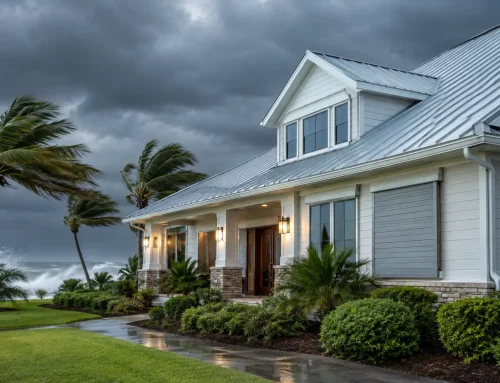

The day after a hailstorm or high-wind event, your phone may start ringing before you have even had time to look at the roof. Trucks appear in the neighborhood. Someone knocks on the door and says they can get your claim approved fast. That is exactly when knowing how to choose storm restoration contractor help the right way matters most.
Storm damage puts property owners in a tough spot. You need fast action, but rushing into the wrong contract can create bigger problems than the storm itself. A good contractor protects your home or building, documents damage correctly, communicates clearly, and helps move the insurance process forward. A bad one can leave you with poor workmanship, denied claim issues, or unfinished repairs.
How to choose storm restoration contractor help after a storm
Start with one basic question: are you hiring a roofer to do a job, or a restoration partner to guide the full process? After storm damage, that difference matters. The best contractors do more than replace shingles. They inspect the entire exterior, identify visible and hidden damage, explain what is urgent, document the loss thoroughly, and help you understand what comes next.
That does not mean every property needs the same approach. Some homes need minor repairs and a quick fix. Others have roof, siding, gutter, and window wrap damage that should be addressed together. Commercial properties may involve tenant concerns, drainage issues, and tighter scheduling demands. A qualified storm restoration contractor should be able to adjust their recommendations to the scope of the loss instead of pushing the same solution every time.
Look for storm restoration experience, not just general roofing
A contractor can be excellent at standard roof replacements and still be a poor fit for storm work. Storm restoration has its own pace and pressure. There is emergency protection to handle, insurance documentation to prepare, and damaged components that may not be obvious from the ground.
Ask how often the company handles storm-related claims and restorations. Ask whether they inspect for collateral damage to gutters, downspouts, siding, fascia, soffit, vents, and other exterior components. If they only talk about shingles, that is a narrow view of a storm loss.
Experience also shows up in how a contractor explains things. You want clear answers, not vague promises. A trustworthy contractor should be able to tell you what they see, what still needs to be confirmed, and where there may be gray areas with insurance coverage. Honest professionals do not guarantee outcomes they cannot control.
Verify licensing, insurance, and local accountability
This step sounds basic, but it is where many property owners get into trouble. Always confirm that the contractor is properly licensed where required, carries liability insurance, and has workers’ compensation coverage. If a company hesitates to provide that information, move on.
Local accountability matters too. Storm-chasing crews often show up right after severe weather, collect deposits, start a few jobs, and disappear when warranty issues come up later. That does not mean every out-of-town company is automatically unqualified, but it does mean you should be more careful. Look for an established presence, a real business footprint, and a reputation in the communities they serve.
A contractor with strong local reviews has more at stake. They depend on referrals, neighborhood trust, and long-term relationships. That usually leads to better communication and better follow-through.
Pay close attention to the inspection process
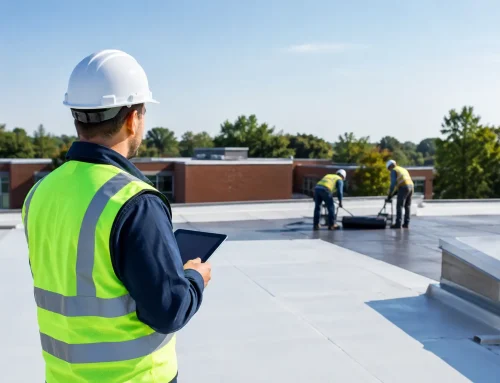
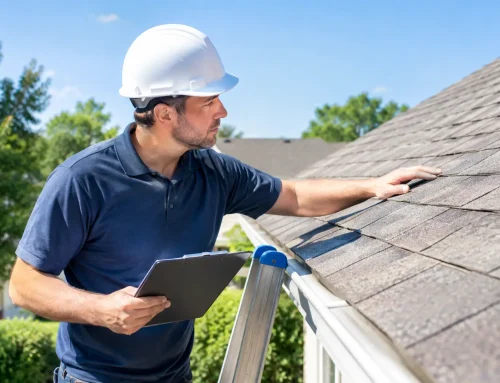
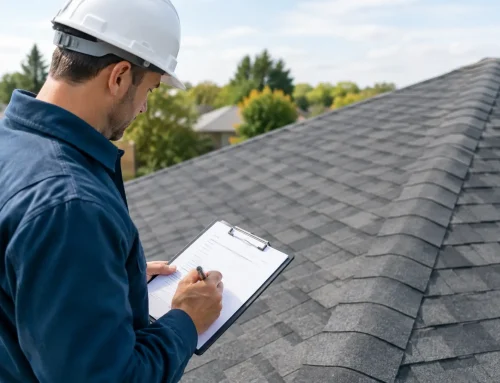
If you want to know how to choose storm restoration contractor support with confidence, watch how the inspection is handled. A quality inspection should feel thorough, not rushed. The contractor should assess the roof and the full exterior, take photos, note storm-created damage patterns, and explain what they found in plain language.
This is also where integrity becomes obvious. Some contractors exaggerate damage to create a bigger job. Others minimize it because they do not want to deal with insurance complexity. Neither approach helps the property owner. You need someone who documents what is actually there and can support that assessment with evidence.
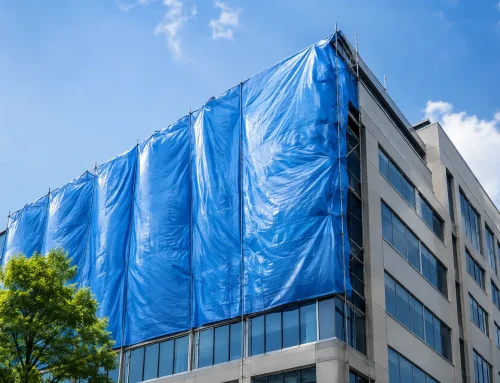
A strong inspection usually includes discussion of temporary protection as well. If tarping or immediate repairs are needed to prevent further interior damage, the contractor should say so quickly and explain next steps.
Ask how they handle insurance communication
Insurance support is one of the biggest separating factors in storm restoration. Many property owners are not looking for a company that just swings a hammer. They want help understanding the claim, the adjuster meeting, the paperwork, and the repair scope.
A good contractor should be comfortable working alongside insurance adjusters and providing accurate documentation of storm damage. They should help you understand the difference between what is observed on the property and what may ultimately be approved under your policy. They should also be careful with their wording. A reputable contractor supports the claim process, but does not act like they control the insurance company.
If a company promises they can “buy your deductible” or guarantees claim approval before a proper review, treat that as a warning sign. Shortcuts in the sales process often turn into headaches later. The right contractor keeps the process honest while still advocating for a complete and accurate scope of repairs.
Review the estimate and contract carefully
A storm restoration contract should be clear, specific, and easy to understand. It should outline the proposed work, materials, cleanup expectations, payment terms, and warranty information. If the language is confusing or overly broad, ask questions before signing anything.
Pay attention to whether the estimate reflects the full project or just the most visible part of it. In storm restoration, incomplete scopes create problems. If damaged accessories or related exterior components are left out early, you may end up dealing with change orders, delays, or uncovered issues later.
It is also worth asking how material upgrades are handled. Sometimes a property owner wants better impact resistance, improved ventilation, or a color change that boosts curb appeal. Those upgrades can be worthwhile, but they should be discussed clearly so you understand what insurance may cover and what would be an out-of-pocket choice.
Communication matters more than most people expect
Storm repair is stressful because there are moving parts. Inspection. Claim review. Scheduling. Material delivery. Crew arrival. Cleanup. Final walkthrough. If communication breaks down at any point, the whole experience feels harder than it needs to be.
Notice how the contractor communicates before you hire them. Do they return calls? Do they answer questions directly? Do they explain the timeline without overselling speed? Fast service is important after a storm, but accuracy and follow-through matter just as much.
The best contractors set realistic expectations. They will tell you when delays are possible, especially during heavy storm seasons when material supply and labor availability can tighten. Straight answers build trust. Silence does the opposite.
Look at workmanship, warranties, and cleanup standards
A roof or exterior repair is not just about getting the claim closed. It is about protecting the property for years to come. Ask about the materials being used, the installation standards followed, and the warranty coverage provided by both the manufacturer and the contractor.
Cleanup is another detail that says a lot about a company. Storm restoration can be messy. Roofing nails, torn materials, packaging, and debris should not be left scattered around your home or commercial site. A contractor who takes jobsite protection and cleanup seriously is usually one who takes the full customer experience seriously too.
If you are comparing bids, remember that the lowest number is not always the best value. Better project management, stronger materials, experienced crews, and proper documentation can make a meaningful difference in both short-term results and long-term performance.
Red flags you should not ignore
A few warning signs come up again and again in bad storm restoration experiences. High-pressure door knocking, demands for large upfront payments, unclear contracts, no proof of insurance, and promises that sound too good to be true all deserve caution.
You should also be careful with contractors who try to rush you into signing before you understand the inspection findings or your insurance process. Urgency after a storm is real, but pressure tactics are not the same thing as responsive service.
Companies built on integrity do not need to trap customers. They earn trust by being available, prepared, and transparent. That is the standard property owners should expect.
Choose the company that reduces stress, not adds to it
When people ask how to choose storm restoration contractor support, they are usually asking a deeper question: who can I trust with my property when everything feels urgent? The right answer is not always the company with the loudest pitch or the fastest promise. It is the one that brings order to a chaotic situation.
Look for a contractor who inspects carefully, explains clearly, documents thoroughly, and stands behind their work. Look for someone who understands both restoration and the insurance side of the process. Companies like Crown Exteriors LLC build trust by helping property owners every step of the way, from damage assessment to final completion.
After a storm, peace of mind is part of the job. Choose a contractor who treats it that way.
Related Posts
If you enjoyed reading this, then please explore our other articles below: