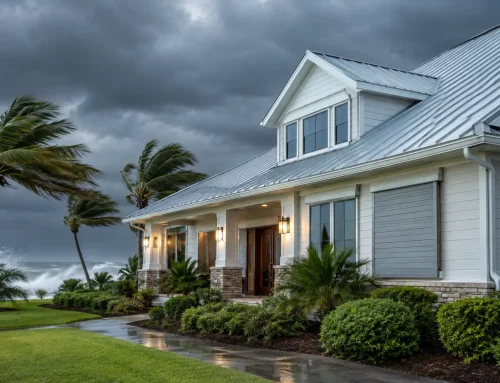

A roof can look fine from the driveway and still have enough storm damage to justify a full claim. That is why one of the first questions homeowners ask after hail, high wind, or falling debris is this: will insurance cover roof replacement? The honest answer is sometimes yes, sometimes no, and the difference usually comes down to what caused the damage, how your policy is written, and how well the loss is documented.
If your roof was damaged by a sudden covered event, insurance may pay for repair or replacement. If the roof is simply old, worn out, poorly maintained, or leaking from long-term neglect, the claim is much less likely to be approved. That gray area is where many property owners get frustrated, especially when the damage is real but not obvious from the ground.
When will insurance cover roof replacement?
Most homeowners insurance policies are built to cover sudden and accidental damage. In roofing terms, that often means wind, hail, tree impact, fire, or other events named in the policy. If a storm tore shingles loose, bruised the roof surface, or created enough damage across multiple slopes that repair is not practical, the insurer may approve a full roof replacement.
The key issue is not whether the roof has a problem. It is whether the problem came from a covered cause of loss. A 20-year-old roof with granule loss, brittle shingles, and worn flashing may need replacement, but insurance is not a home maintenance plan. On the other hand, a roof with clear hail hits, lifted tabs, creased shingles, or wind damage after a recent storm may qualify even if it did not leak right away.
This is also where policy language matters. Some policies pay replacement cost value, which helps cover what it takes to install a new roof minus your deductible. Others pay actual cash value, which factors in depreciation. That can change your out-of-pocket cost in a big way.
What insurance usually covers and what it usually does not
In many cases, insurance covers roof replacement when the damage is sudden, accidental, and tied to a covered event. Common examples include hail impacts, wind damage, lightning, fire, and fallen branches or trees. If the storm damage is widespread or the existing roofing materials cannot be matched well enough for a proper repair, replacement becomes more likely.
What usually is not covered is just as important. Wear and tear, aging shingles, construction defects, poor ventilation, repeated leaking, and lack of maintenance are common reasons claims get denied. If an insurer believes the roof failed over time instead of during a specific event, they may deny the claim even if water is now getting inside.
That does not always mean the insurer is right on the first look. We have seen roofs where storm damage was missed because it was subtle or because the inspection was rushed. That is why a thorough, documented inspection matters before you accept a quick answer.
The damage types that often lead to full replacement
Not every approved roof claim ends in a full replacement. Sometimes a repair is enough. The decision often depends on the extent and location of the damage, the age and condition of the roofing system, and local building code requirements.
Hail damage can be one of the biggest drivers of replacement because it may shorten the life of shingles across the entire roof, even if only a few spots are obvious at first. Wind damage can also lead to replacement if shingles are creased, lifted, broken, or missing on several slopes. Once the seal strips are compromised, patchwork repairs may not restore the roof the way they should.
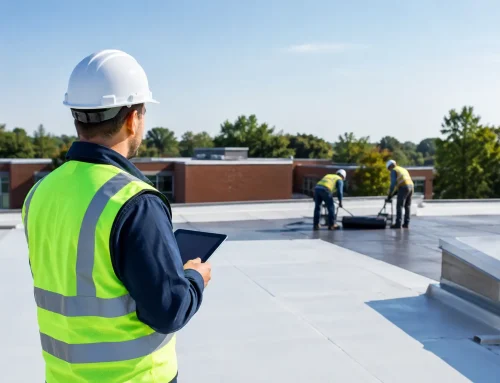
For commercial properties, the analysis may look different depending on whether the roof is metal, membrane, modified bitumen, or another system. Functional damage matters, but so does whether the system can still perform as designed after the storm.
Why claims get denied
A denied claim does not always mean there is no damage. It may mean the carrier believes the damage is below the deductible, unrelated to a covered event, or limited enough to repair. Sometimes the denial is based on photos that do not tell the full story. Sometimes it comes down to timing.
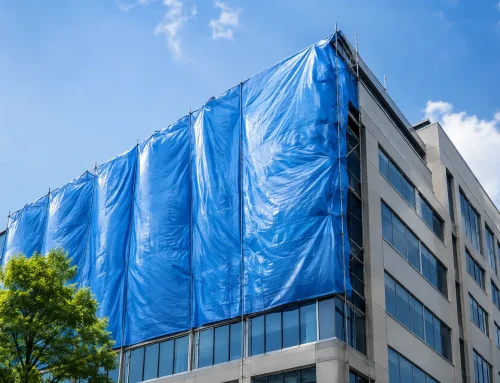
If you wait too long after a storm, the insurer may argue that later deterioration or interior damage resulted from delayed action. That is one reason emergency tarping and prompt inspection are so important. They help protect the property and show that you took reasonable steps to prevent additional loss.
Claims are also denied when homeowners file without enough evidence. A vague description like roof leaking after storm is rarely as effective as a documented inspection showing wind creases, hail strikes, damaged flashing, soft metals, date of loss details, and photos from each affected elevation.
How to improve your chances of approval
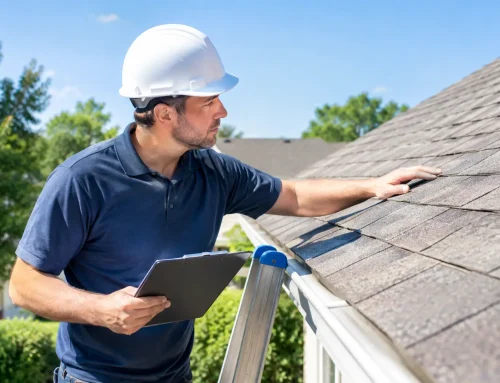
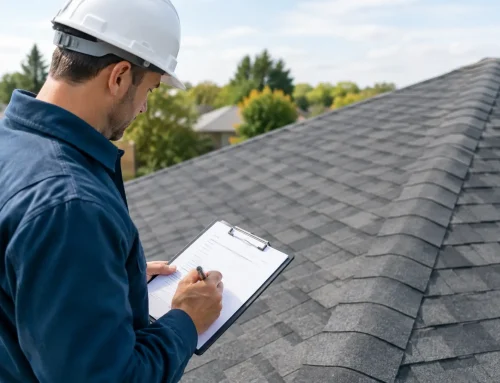
If you are wondering whether insurance will cover roof replacement, the best next step is not guesswork. It is documentation. Start with a professional roof inspection as soon as possible after a storm or other damaging event. A proper inspection should identify visible and hidden damage, note the likely cause, and provide clear photo evidence.
From there, notify your insurance carrier promptly. Be accurate about what happened and when you noticed the issue. Keep records of any emergency mitigation, such as tarping or temporary repairs, and save photos of interior leaks or water staining if those are present.
It also helps to have a contractor who understands the claims process, not just roofing installation. Insurance restoration is its own lane. The contractor should be able to document the loss clearly, speak the adjuster’s language, and explain why a repair may not be sufficient if that is the case.
What happens during the adjuster inspection
Once a claim is filed, the insurance company typically sends an adjuster to inspect the property. This visit plays a major role in the outcome. The adjuster will look at the roof, the exterior, and sometimes the interior if there is leak-related damage.
This is where details matter. If storm damage is fresh, widespread, and well documented, the process may move fairly quickly. If the damage is less obvious, the inspection can become more technical. Measurements, test squares, collateral damage, and material availability can all affect the decision.
Having your contractor present can help keep the inspection focused and complete. That is not about creating conflict. It is about making sure all damage is seen and discussed. A lot can be missed when no one familiar with the roof is there to point it out.
Replacement cost vs actual cash value
One of the biggest surprises for homeowners is learning that approval does not always mean the policy pays the full cost right away. If your policy includes replacement cost coverage, the carrier may first issue an actual cash value payment, then release recoverable depreciation after the work is completed according to policy terms.
If your policy is actual cash value only, depreciation stays deducted. Older roofs usually take the biggest hit under that structure. Two homeowners with similar storm damage can end up with very different claim results depending on the policy they carry.
That is why it helps to review your coverage before storm season, not after a loss. Knowing your deductible, settlement type, and exclusions puts you in a better position if damage occurs.
Will insurance cover roof replacement if the roof is old?
Age alone does not automatically disqualify a roof from coverage. An older roof can still be covered if it suffers damage from a covered event. But age does affect how the insurer views the claim, how much depreciation applies, and whether the company argues that the roof was already near the end of its service life.
This is another area where the answer depends. An older roof with clear hail or wind damage may still be approved. An older roof with mixed issues, some storm-related and some maintenance-related, may lead to a partial approval or a dispute over scope.
The practical next step for property owners
If you suspect damage, do not wait for a leak to become obvious. By then, the repair may involve more than shingles. Start with a professional inspection, get the condition documented, and find out whether the damage points to a covered event. If it does, move quickly and file the claim while the facts are still clear.
At Crown Exteriors, we help property owners through that process every step of the way, from inspection and documentation to adjuster coordination and final restoration. A good roof claim is not about pushing for coverage that does not exist. It is about making sure real storm damage is recognized, properly scoped, and restored the right way.
When your roof takes a hit, the fastest path to answers is not climbing a ladder with a flashlight. It is getting experienced eyes on the damage and a clear plan for what comes next.
Related Posts
If you enjoyed reading this, then please explore our other articles below: